Articles
Evidence-informed guides, practical nutrition insights, and food-discovery articles designed to help you make more informed choices.
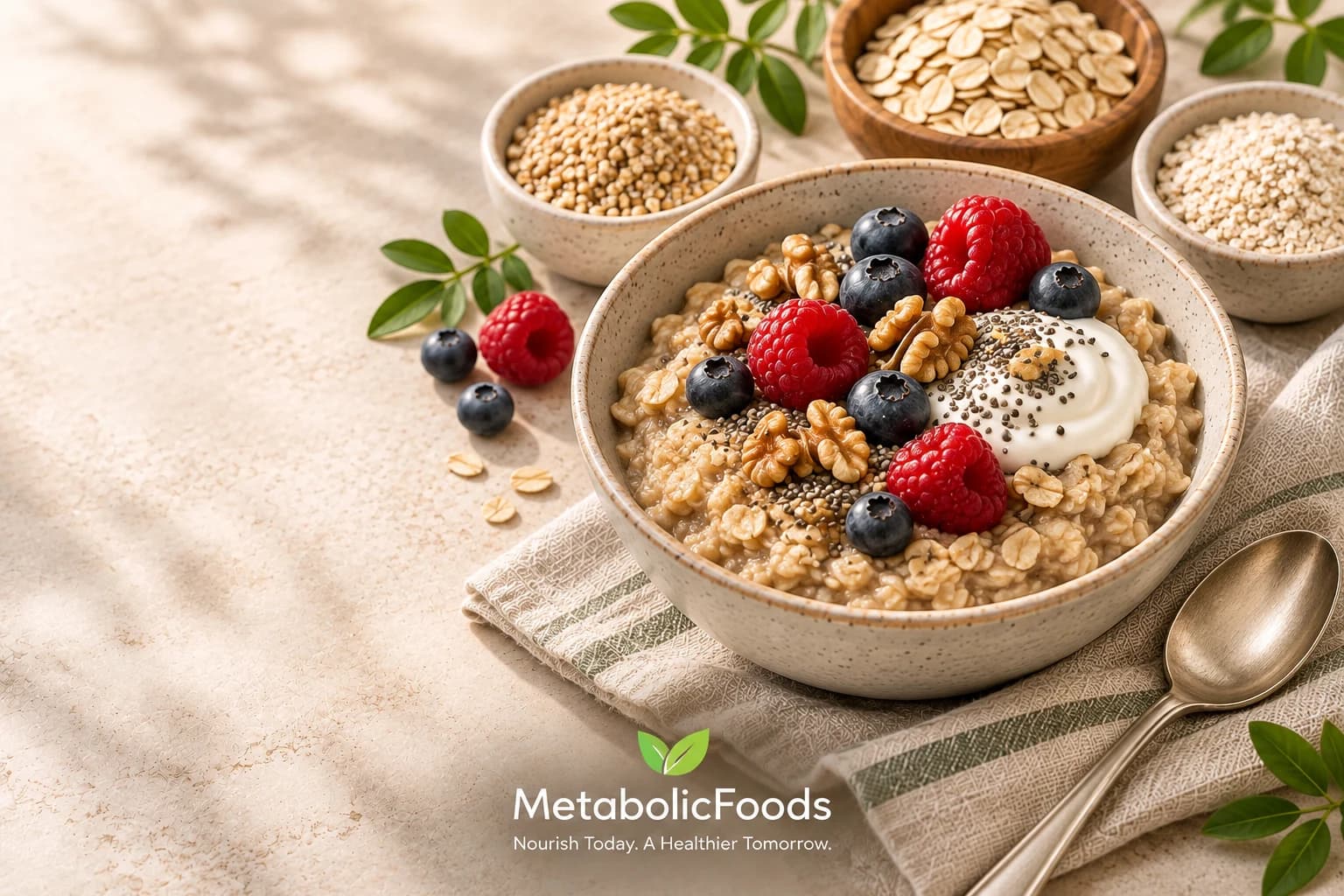
Is Oatmeal Low Glycemic? It Depends on the Oats
Oatmeal can be low or moderate glycemic depending on the oat format, processing, portion, and complete meal. Learn how steel-cut, rolled, and instant oats differ.
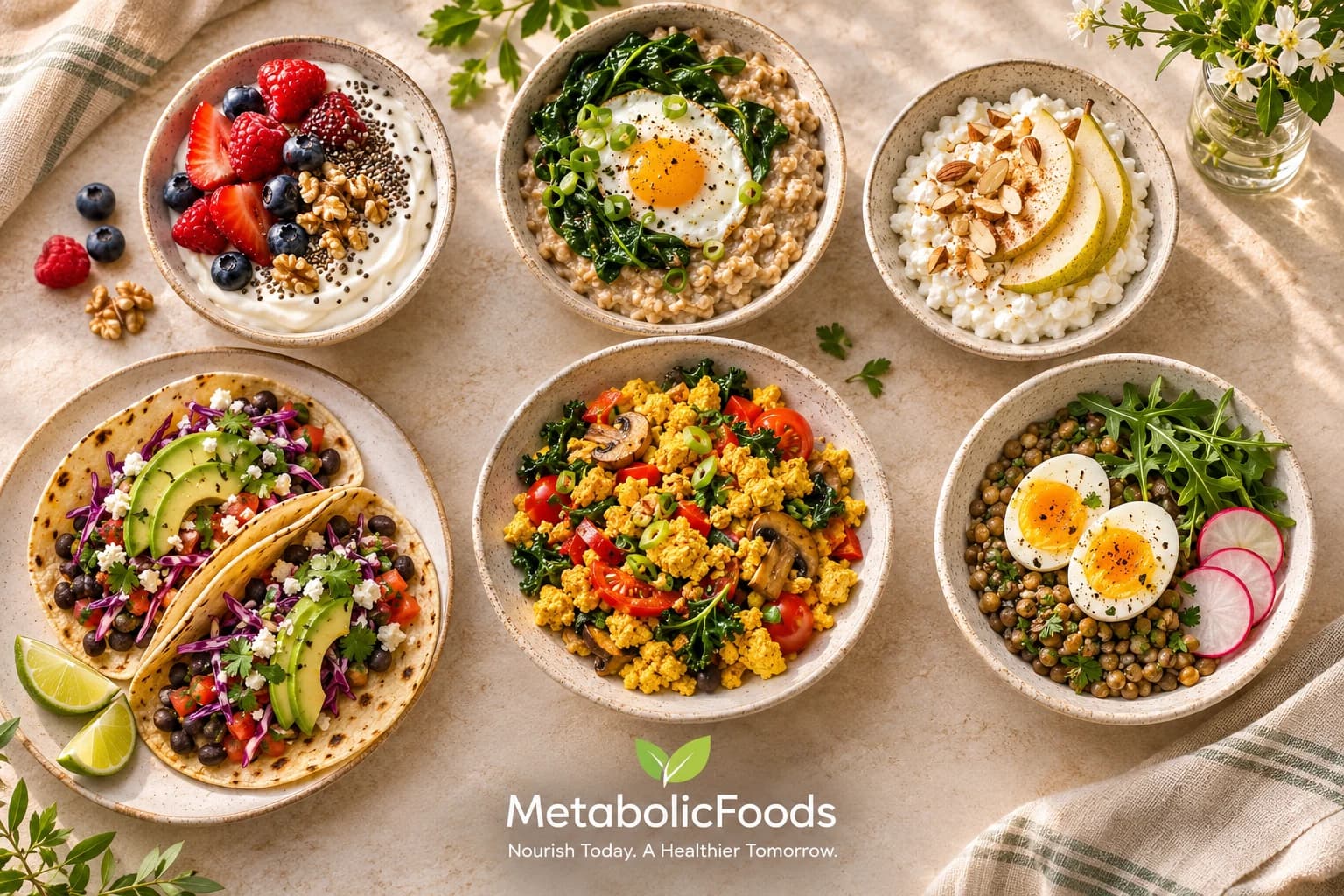
12 Low-Glycemic Breakfast Ideas for Real Mornings
Build a lower-glycemic breakfast with 12 practical ideas featuring yogurt, oats, beans, lentils, eggs, tofu, fruit, nuts, seeds, and vegetables.
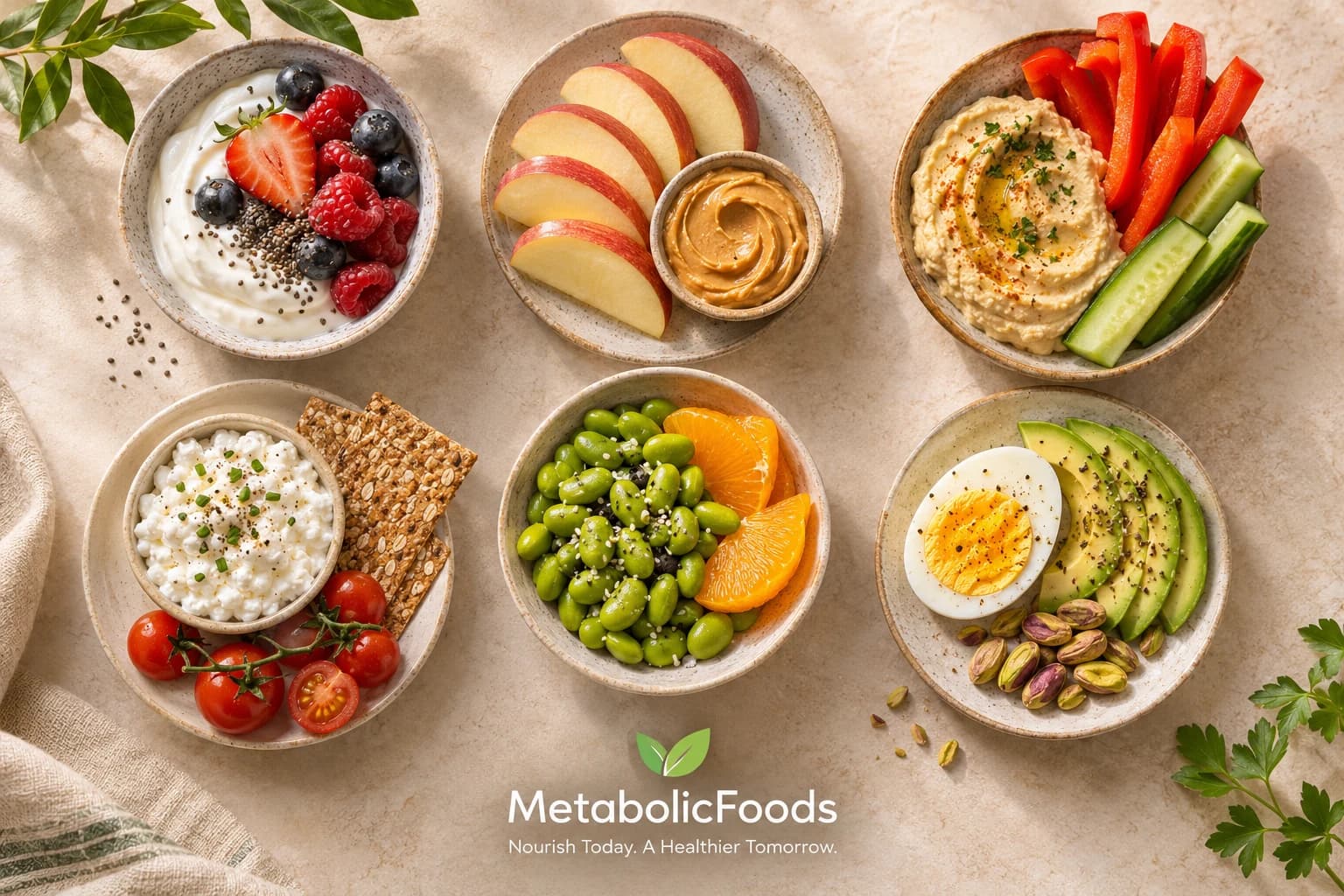
Low-Glycemic Snacks: 10 Satisfying Ideas
Build low-glycemic snacks with practical combinations of fruit, vegetables, legumes, dairy or soy foods, nuts, seeds, and intact grains.
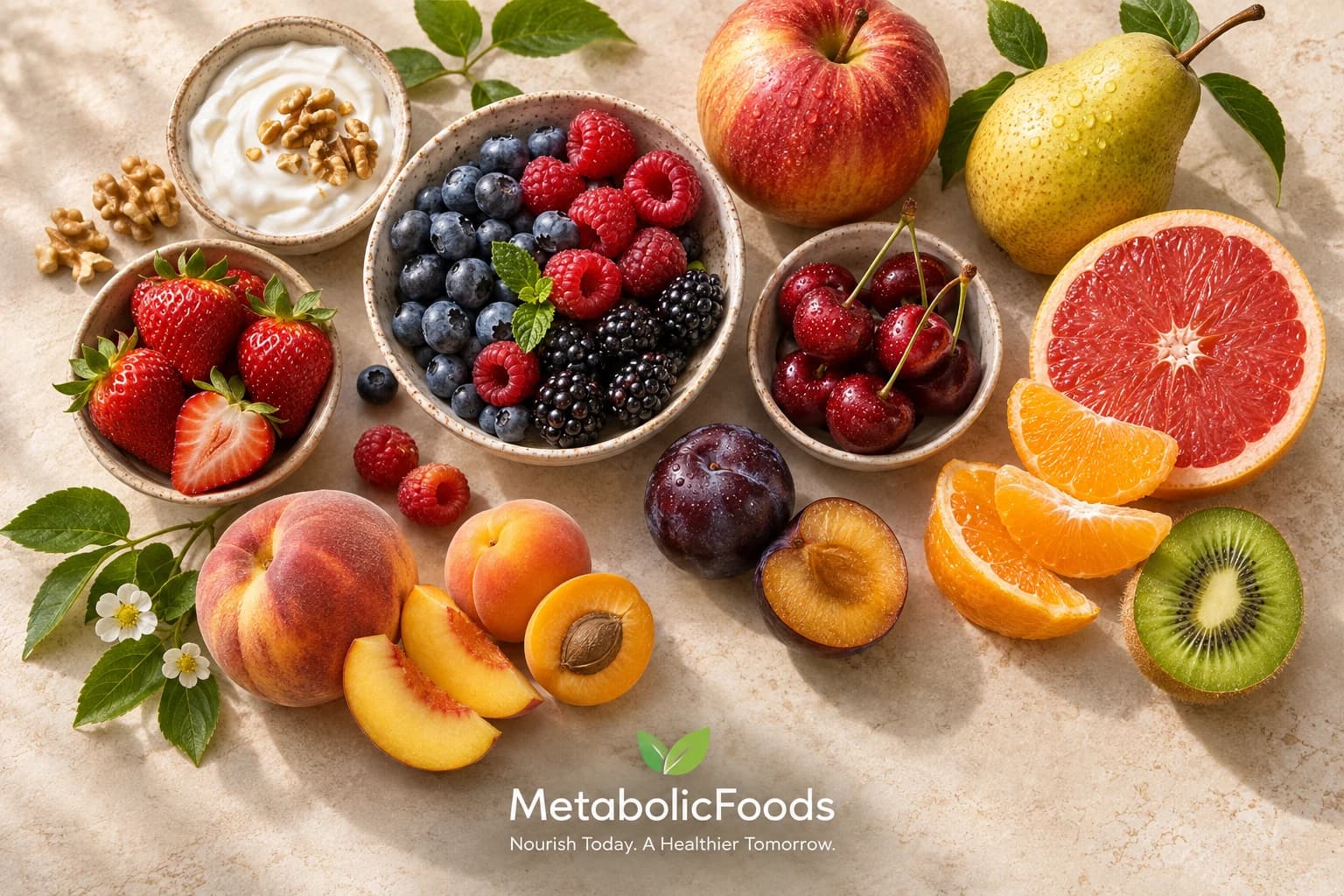
Low-Glycemic Fruits: A Practical Guide to Whole Fruit
Discover which whole fruits commonly fall in the low-GI range, why portions and fruit form matter, and how to build satisfying fruit snacks and meals.
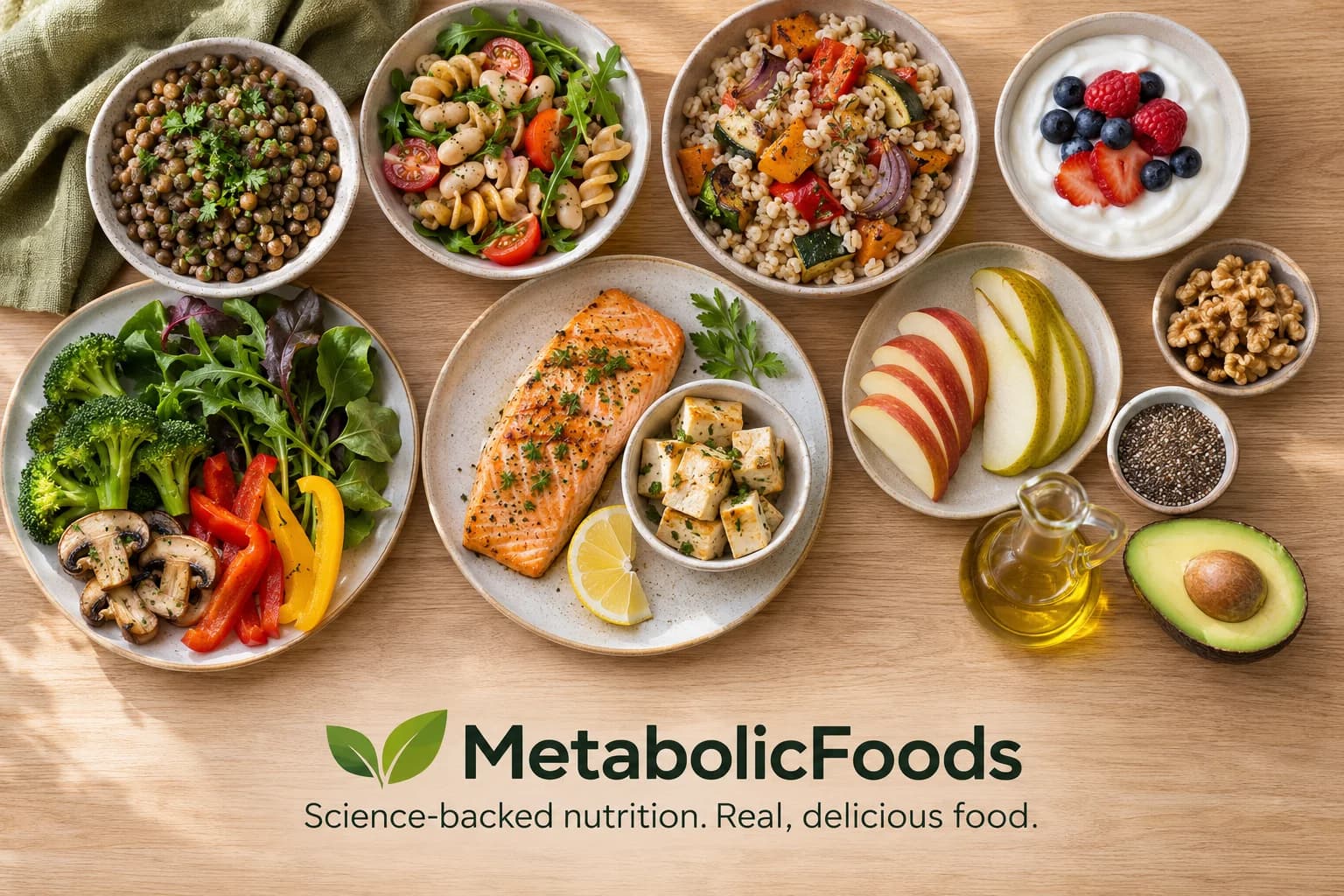
Low-Glycemic Foods: A Practical Guide for Everyday Meals
Learn which carbohydrate foods are commonly low glycemic, which nutritious foods do not have a meaningful GI, and how to build balanced meals without chasing one number.
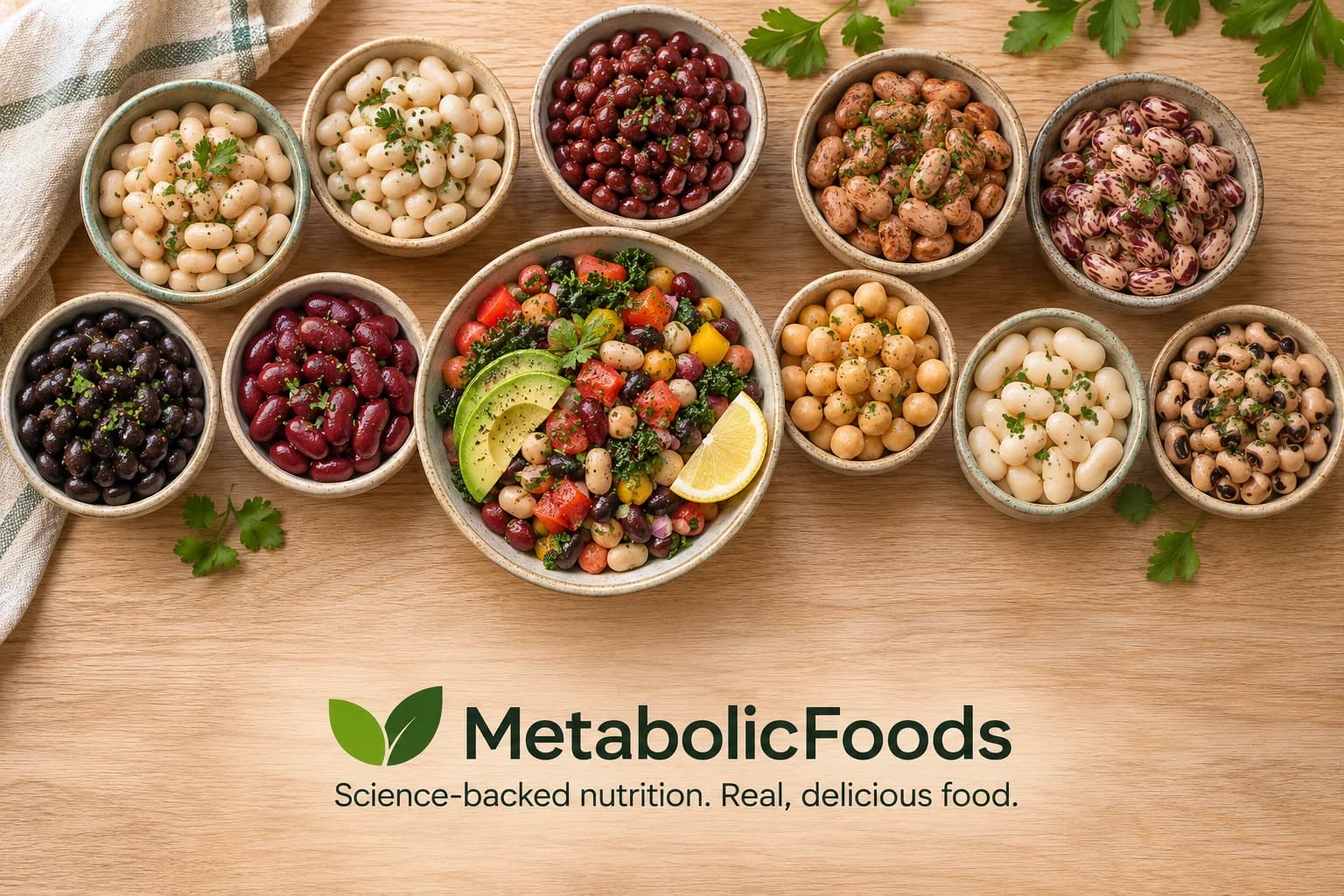
10 Best Beans for Fiber—and How to Use Them
Compare 10 fiber-rich beans using approximate cooked-cup values, then learn how to choose canned or dry beans, prepare kidney beans safely, and add legumes gradually.

Best High-Fiber Cereal: How to Choose a Better Bowl
Learn how to choose a high-fiber cereal by comparing fiber %DV, serving size, added sugar, grain structure, added fibers, protein, and the rest of your breakfast.
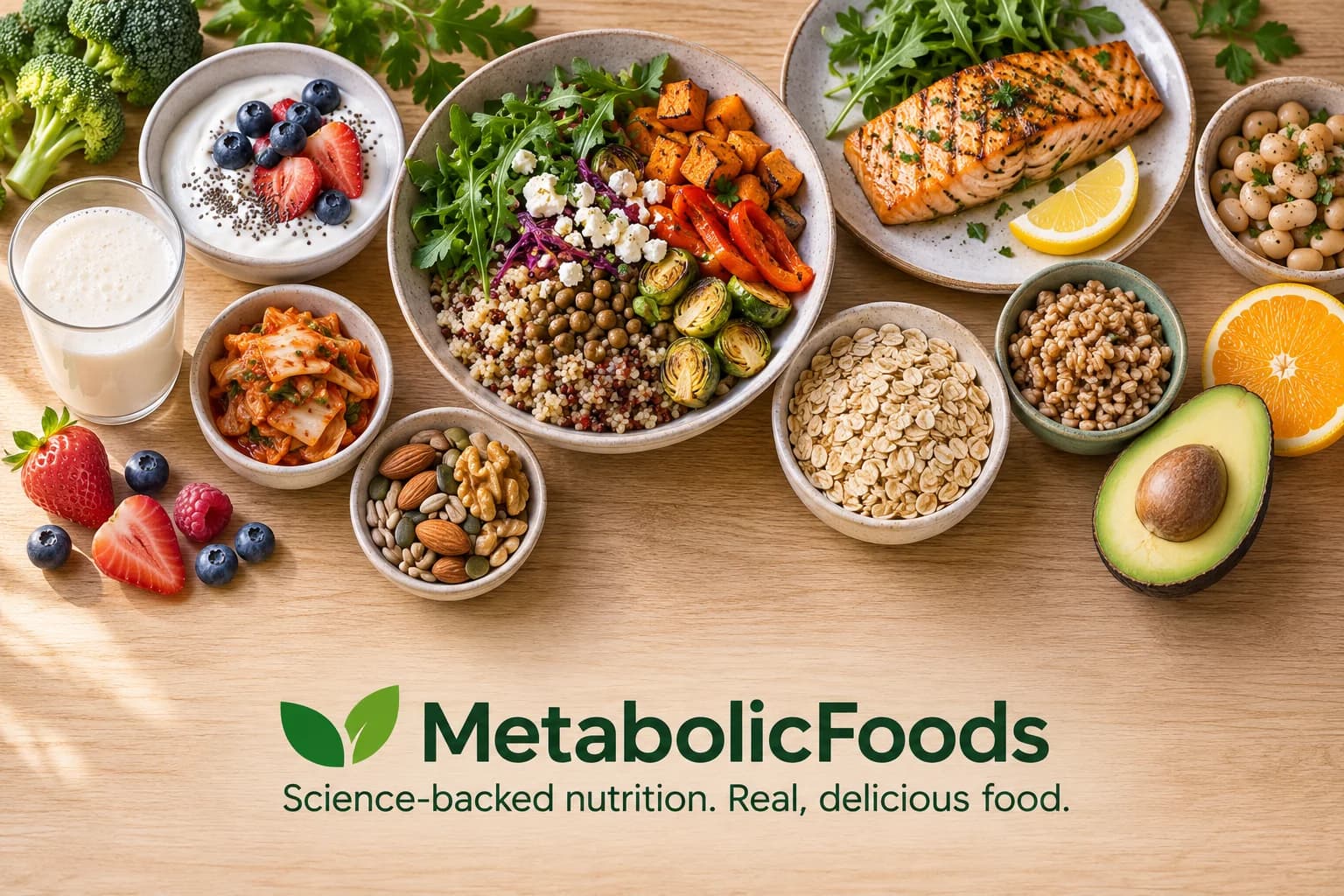
Metabolic Nutrition Trends Worth Watching
Explore eight metabolic nutrition trends—from fiber and protein quality to glucose awareness, gut-health foods, and GLP-1 nutrition—with practical limits and shopping guidance.

How to Prepare Balanced Snacks That Keep You Full
Learn how to prepare balanced snacks with protein, fiber-rich foods, and practical portions—plus six combinations, label tips, and a simple weekly prep plan.

How to Choose Protein Powder for Your Goals
Learn how to choose protein powder by source, protein per serving, added sugar, testing, digestive tolerance, and cost—without relying on front-label claims.

Protein Cereal Review: How to Build a Smarter Breakfast
A practical protein cereal review: compare protein, fiber, added sugar, serving size, sweeteners, and price—then build a breakfast that actually keeps you satisfied.
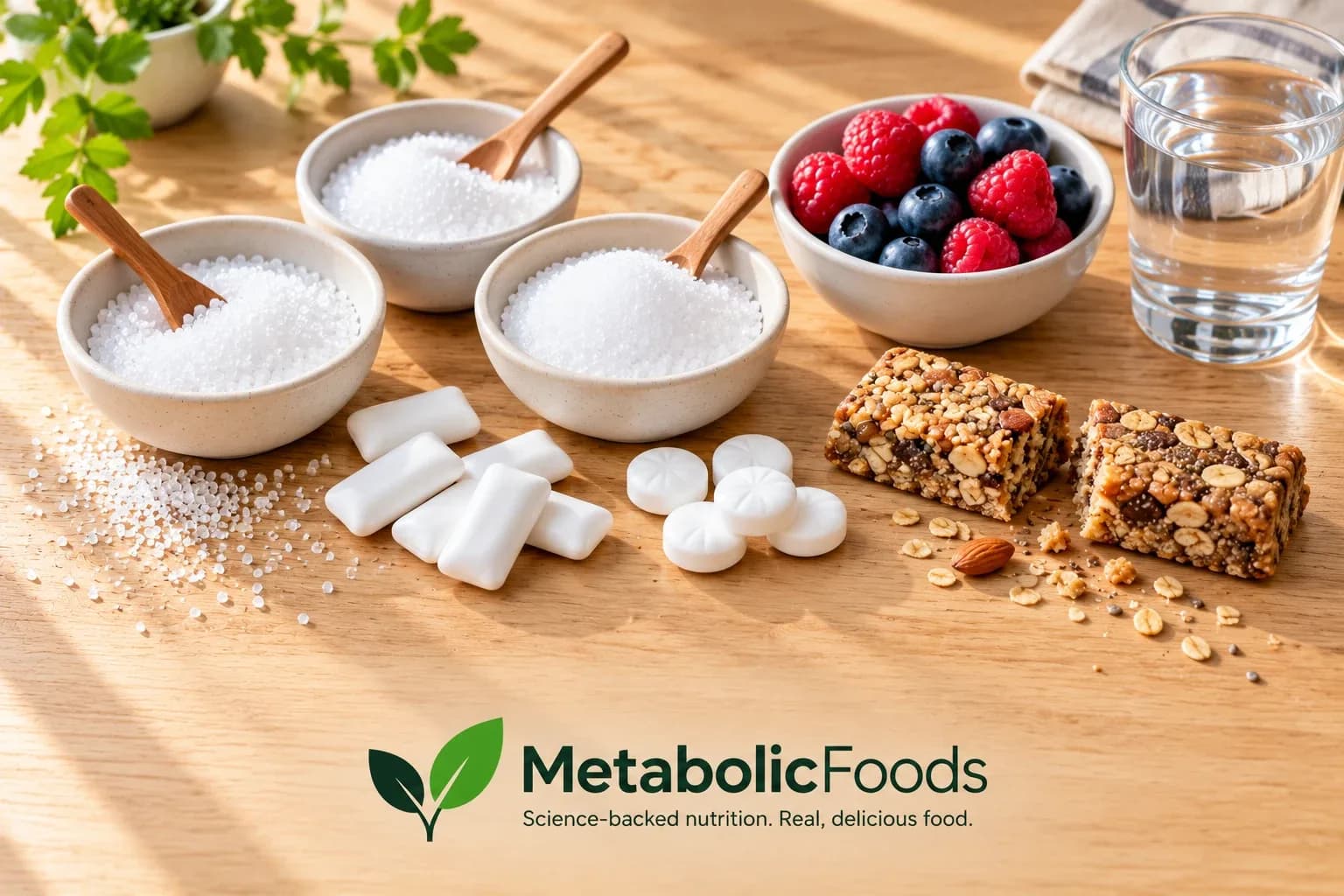
Are Sugar Alcohols Healthy? What to Know
Are sugar alcohols healthy? It depends on which one, how much, and your gut. Here is how erythritol, xylitol, and maltitol differ for blood sugar, digestion, and safety.
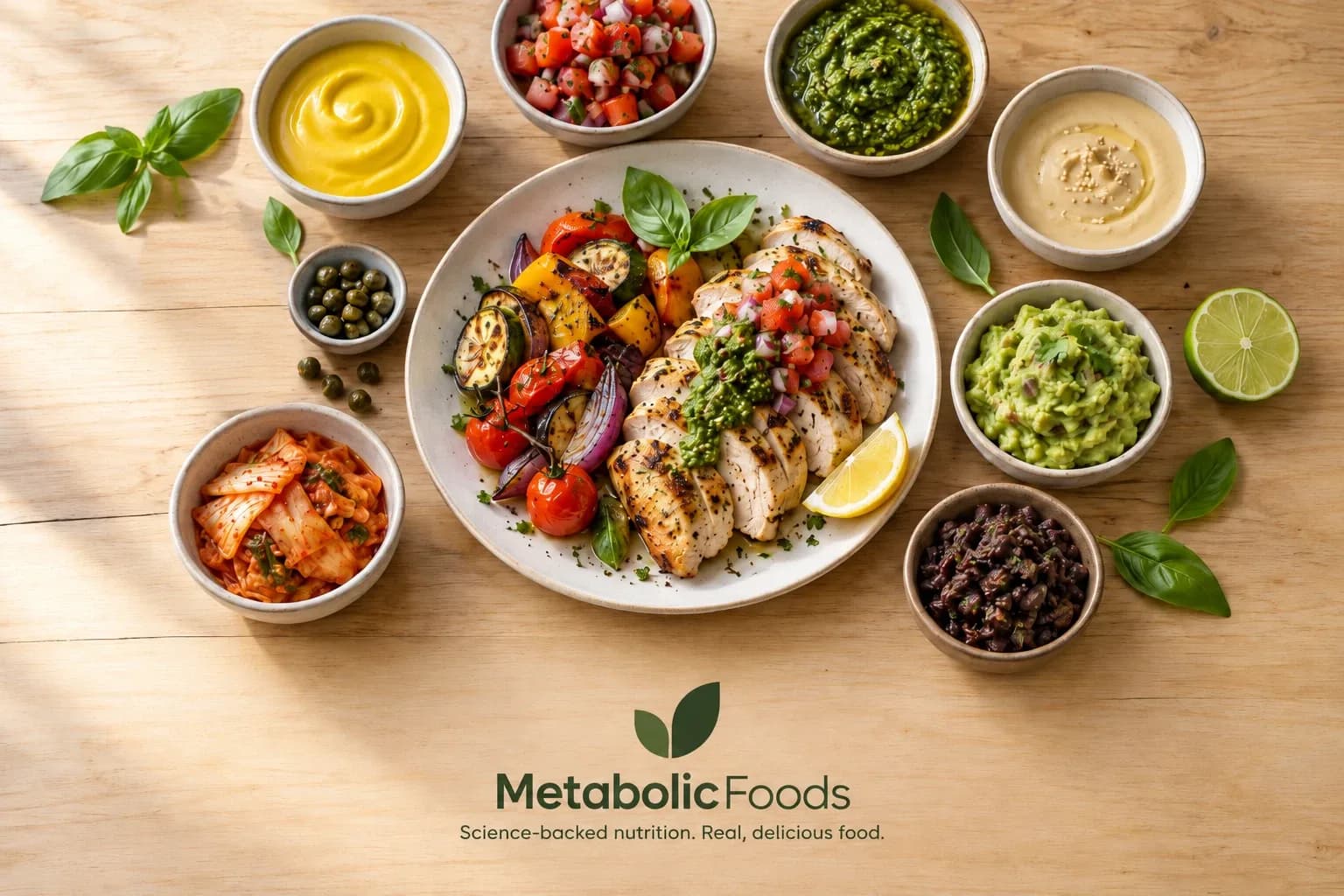
12 Best Low Sugar Condiments for Everyday Meals
The best low sugar condiments add acid, heat, and savory depth without much added sugar. Here are 12 to keep on hand and how to compare labels at the store.
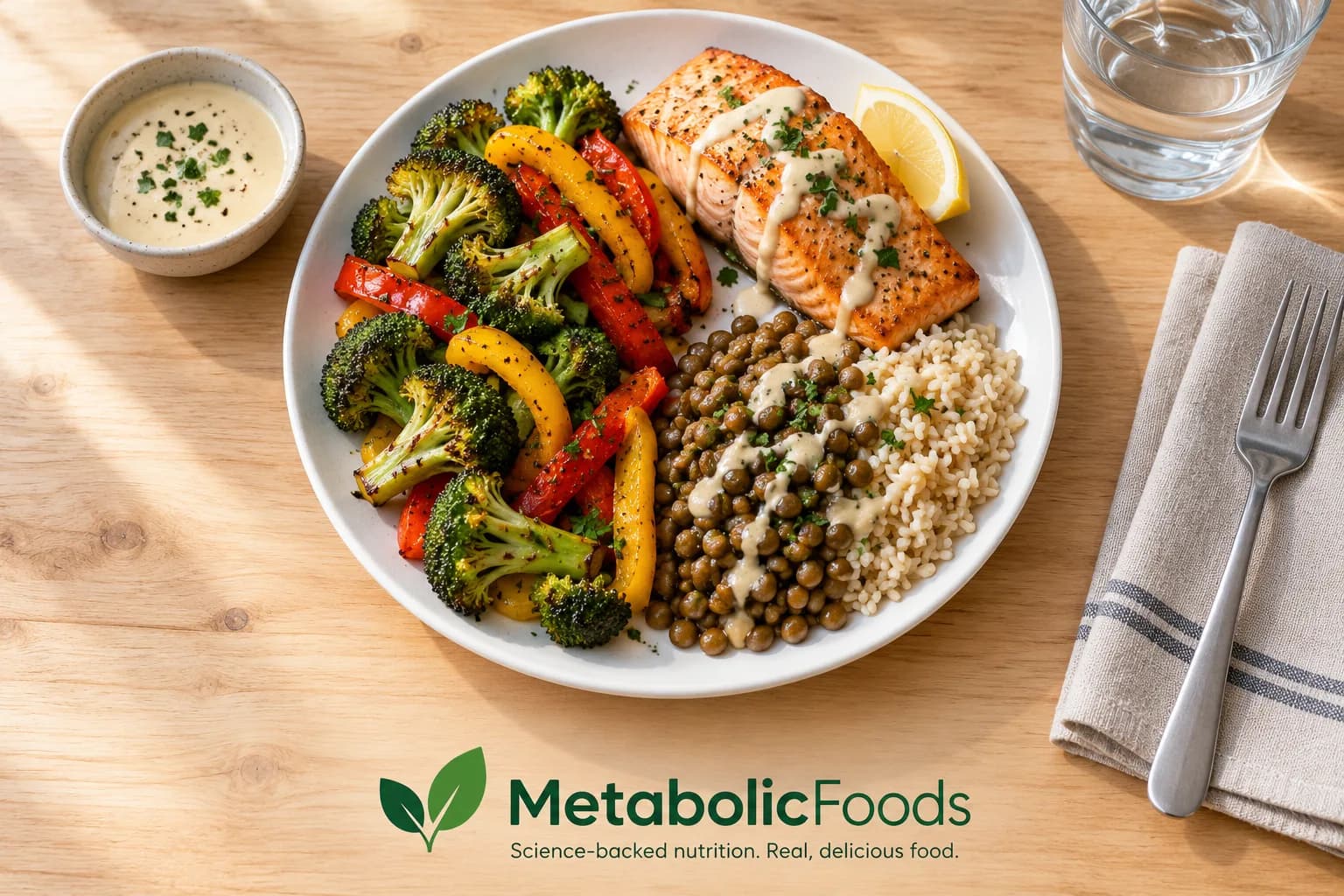
Balanced Plate Meal Example for Better Energy
A balanced plate meal example you can actually cook: salmon, lentils, and vegetables, plus three everyday variations and simple fixes when a meal leaves you hungry.
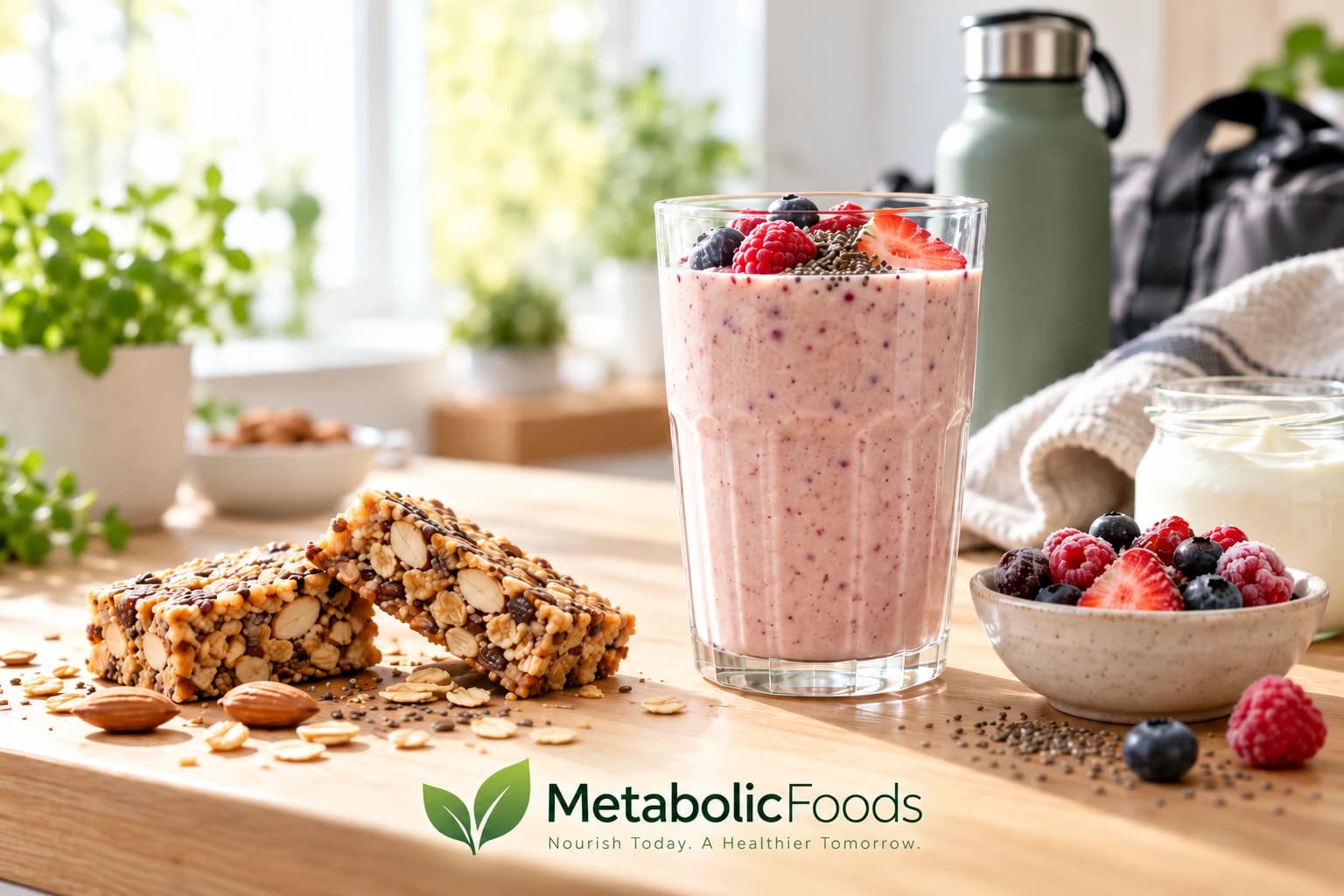
Protein Bars vs Shakes: Which Fits Your Day?
Protein bars vs shakes: neither wins every time. Learn when a bar makes more sense, when a shake does, and how to compare labels for protein, fiber, added sugar, and sweeteners.
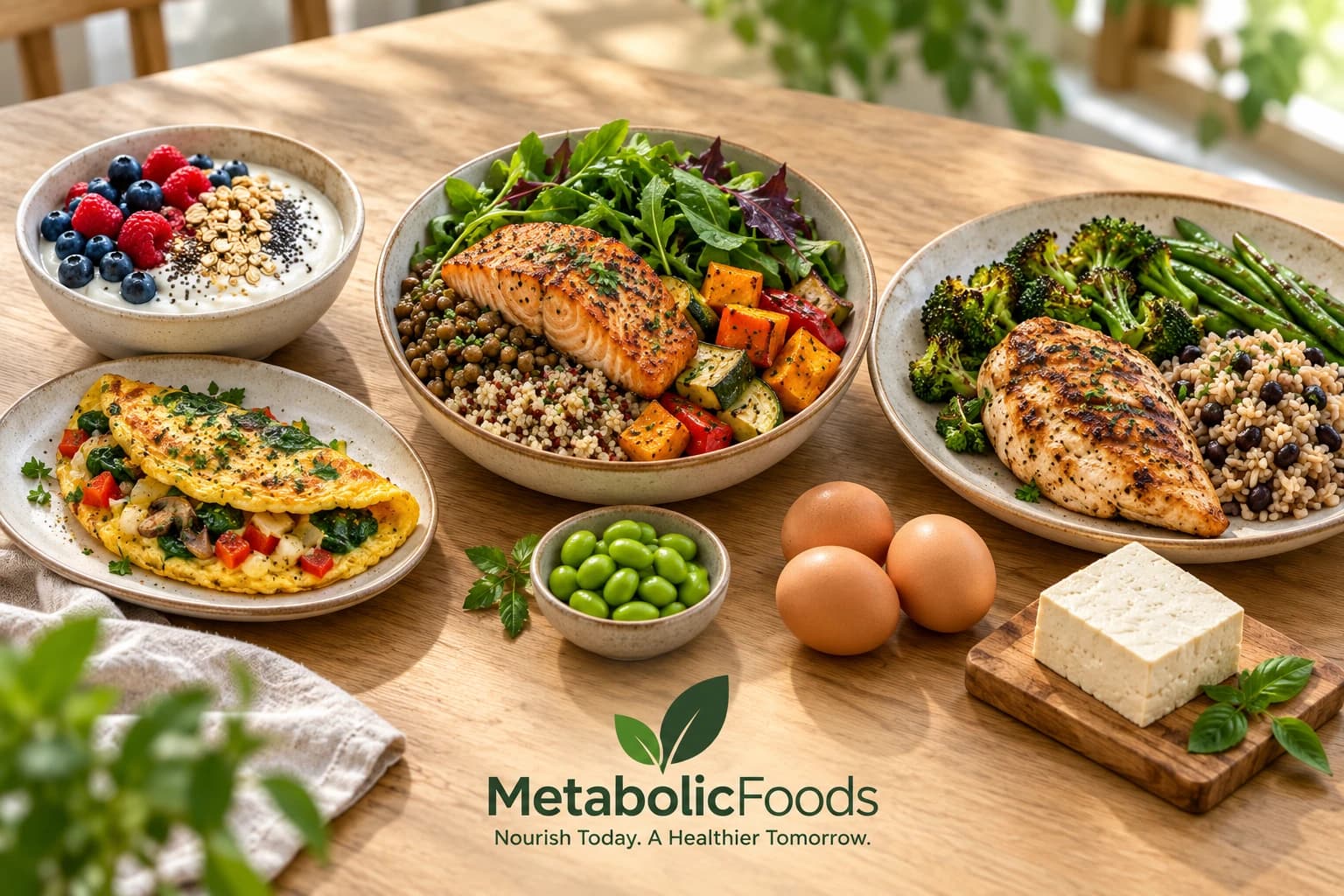
Protein Per Meal Guide for Everyday Eating
How much protein per meal is practical? Turn a daily target into a repeatable protein anchor at breakfast, lunch, and dinner—with real food portions and simple ways to upgrade lower-protein meals.
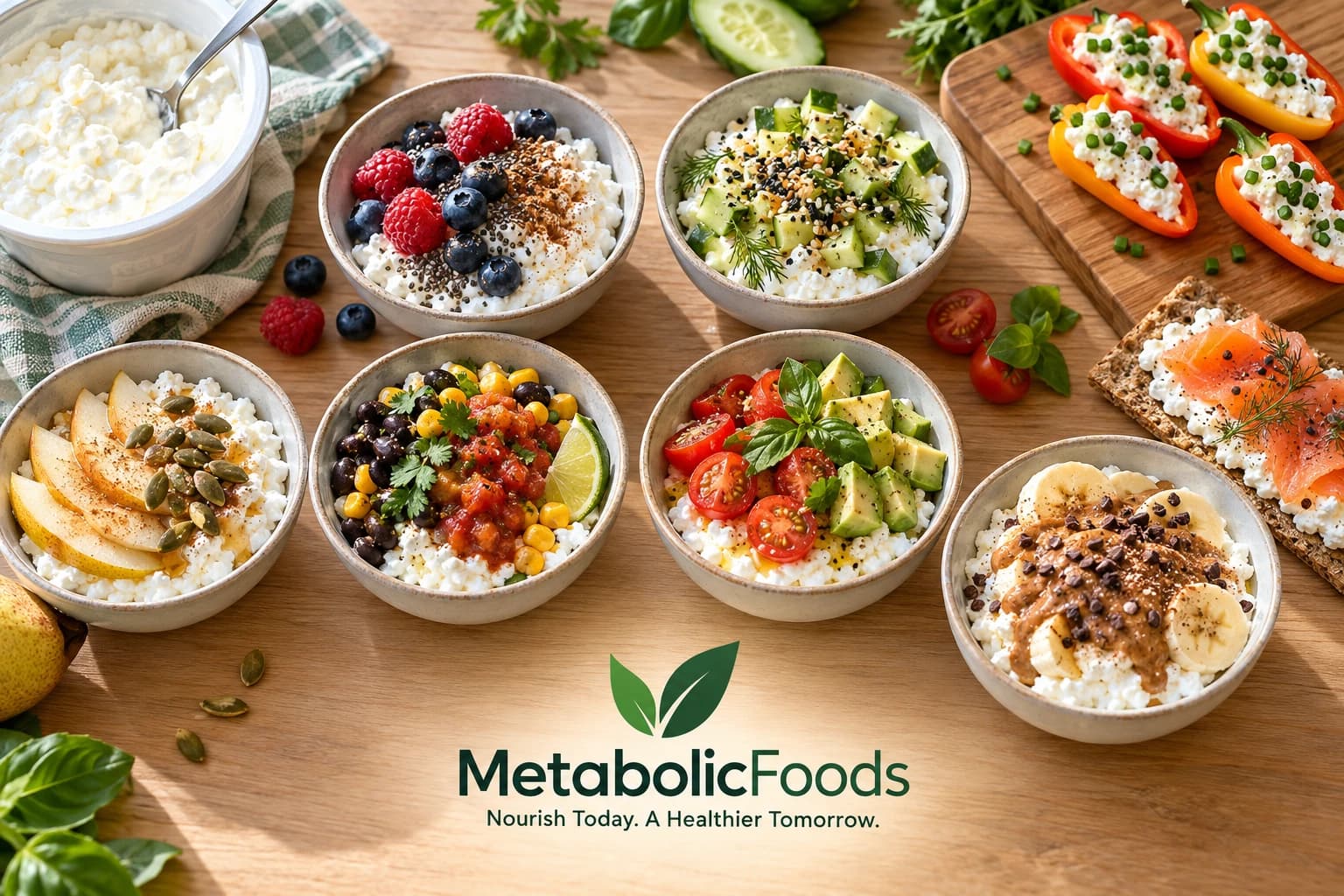
12 Best Cottage Cheese Snacks: Easy High-Protein Ideas
Twelve sweet and savory cottage cheese snacks that pair its protein with fiber-rich produce, beans, whole grains, nuts, and seeds—plus how to compare labels for sodium and added sugar.
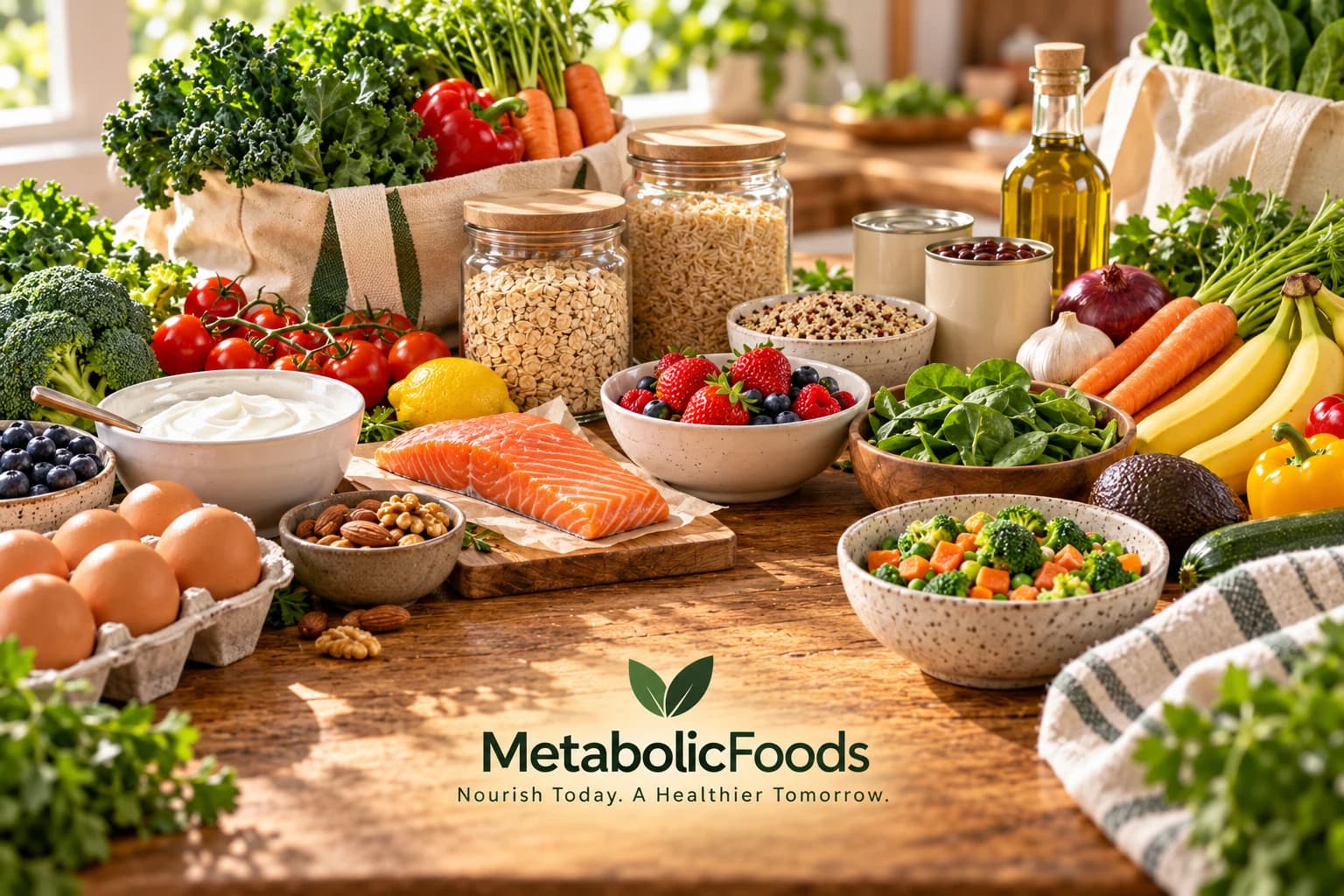
Healthy Grocery Shopping Guide for Metabolic Health
Build a practical grocery cart around protein, fiber-rich plants, convenient produce, and versatile staples—then use food labels to compare packaged options without overcomplicating the trip.
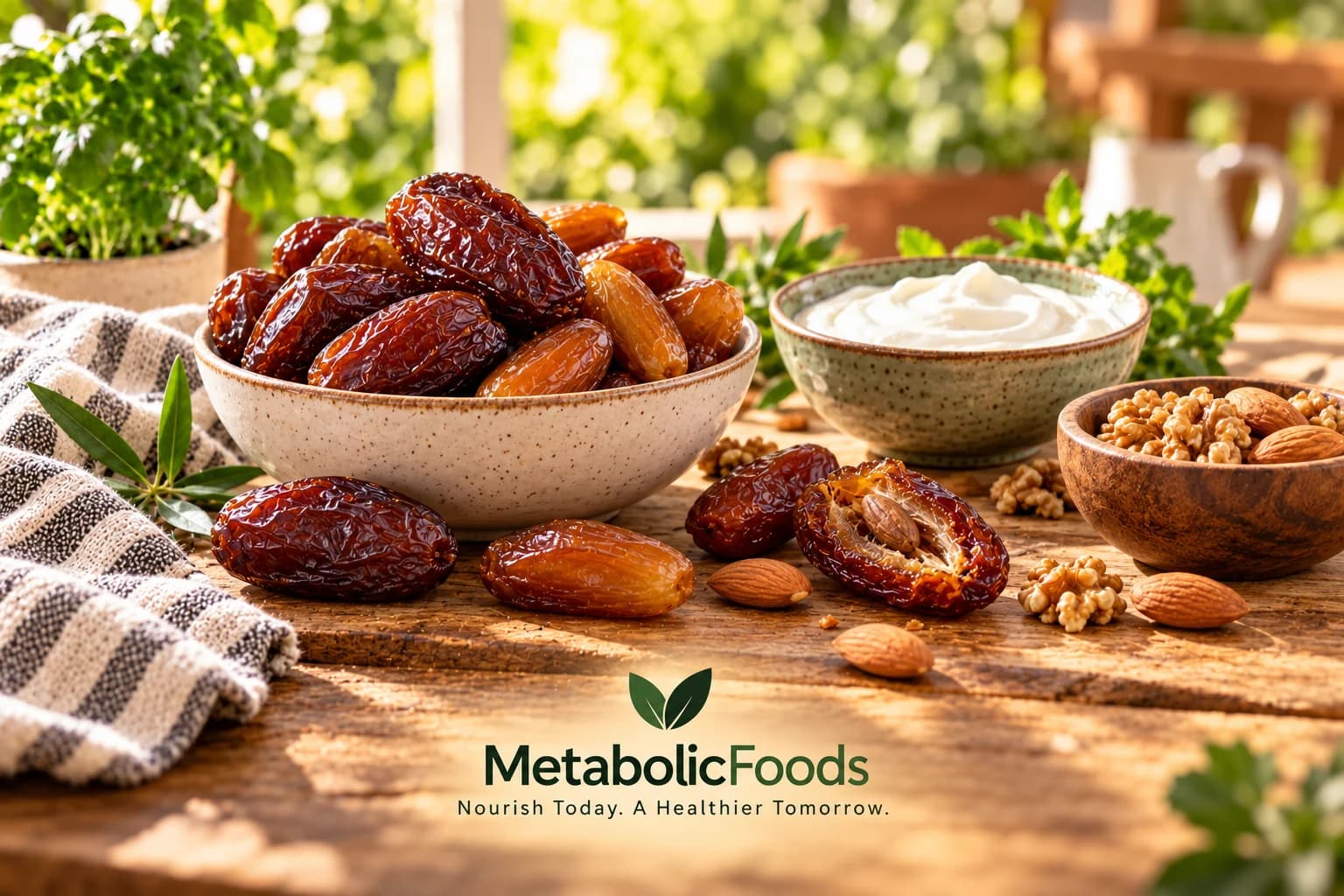
Are Dates Healthy? Benefits, Sugar, and Portions
Dates provide fiber, potassium, and polyphenols along with concentrated natural sugar. Learn what the research says about blood sugar, portions, and practical ways to eat them.
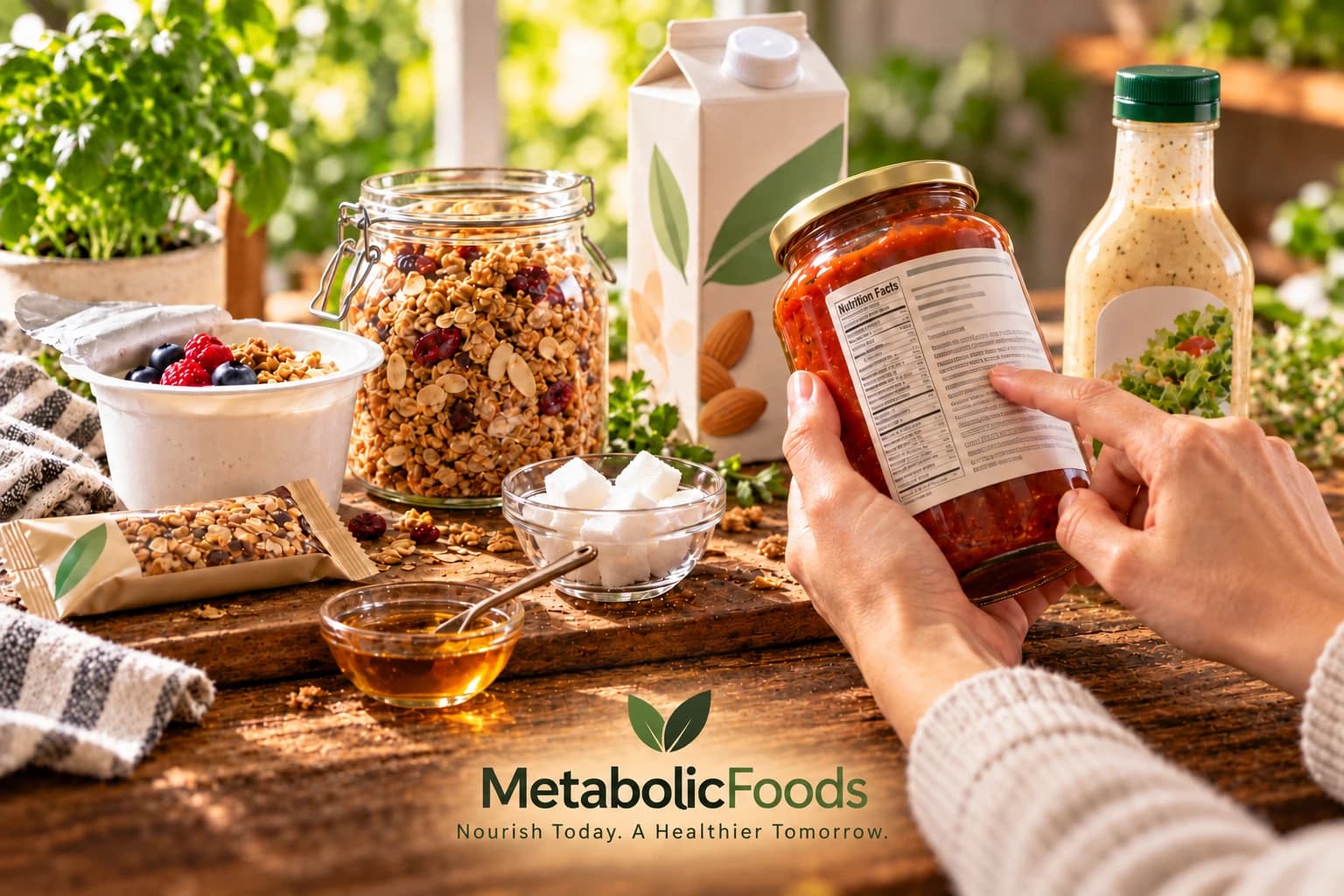
Hidden Sugar Ingredients to Spot on Food Labels
Learn which ingredient names signal added sugar, how concentrates and sugar alcohols are labeled, and how to compare packaged foods in context.
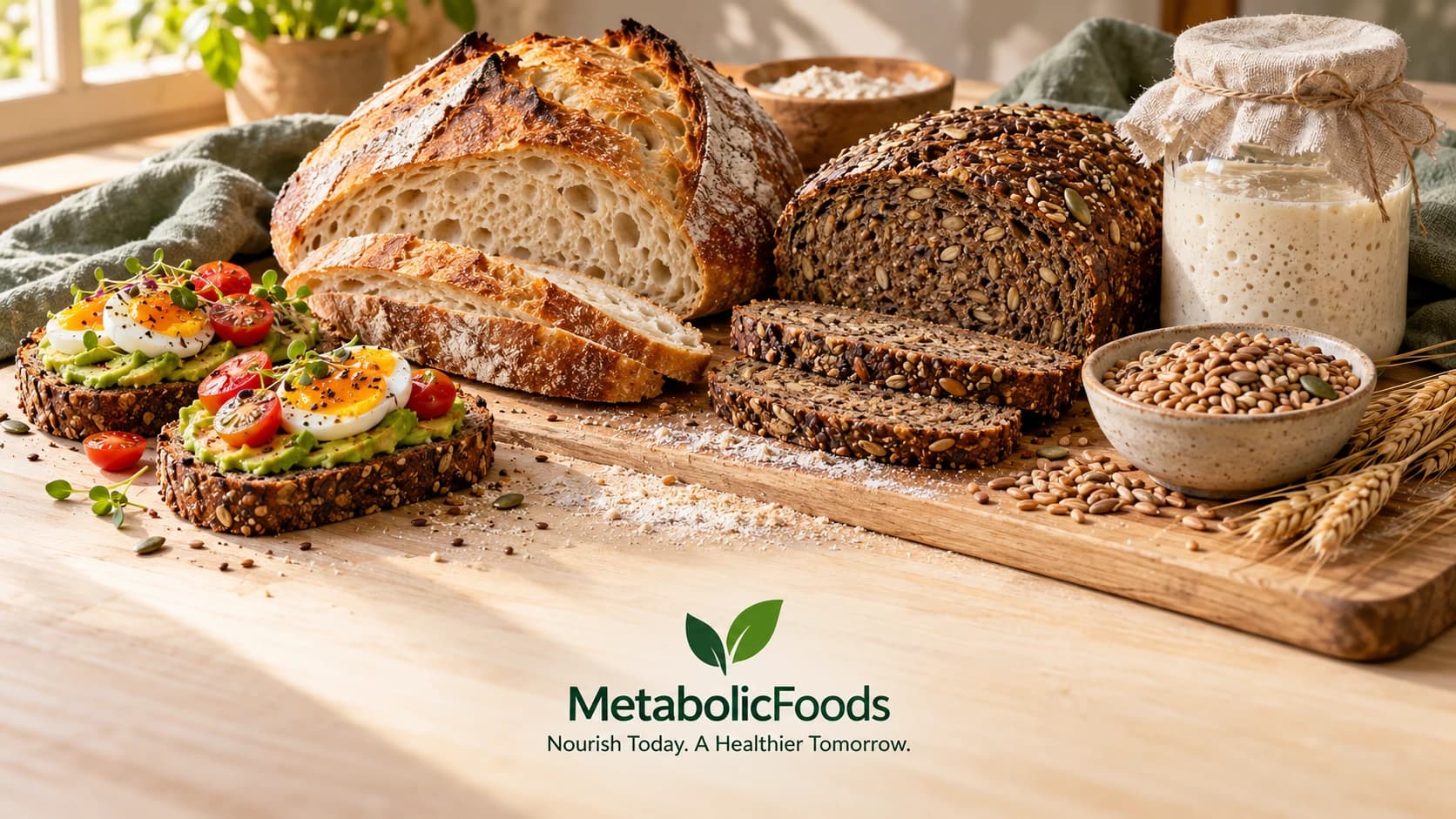
Is Sourdough Bread Low Glycemic? What the Research Shows
Is sourdough bread low glycemic? Sometimes. Fermentation may soften the blood sugar response compared with similar yeast bread, but the flour, portion, and the rest of the meal matter just as much. Here is what the research shows.
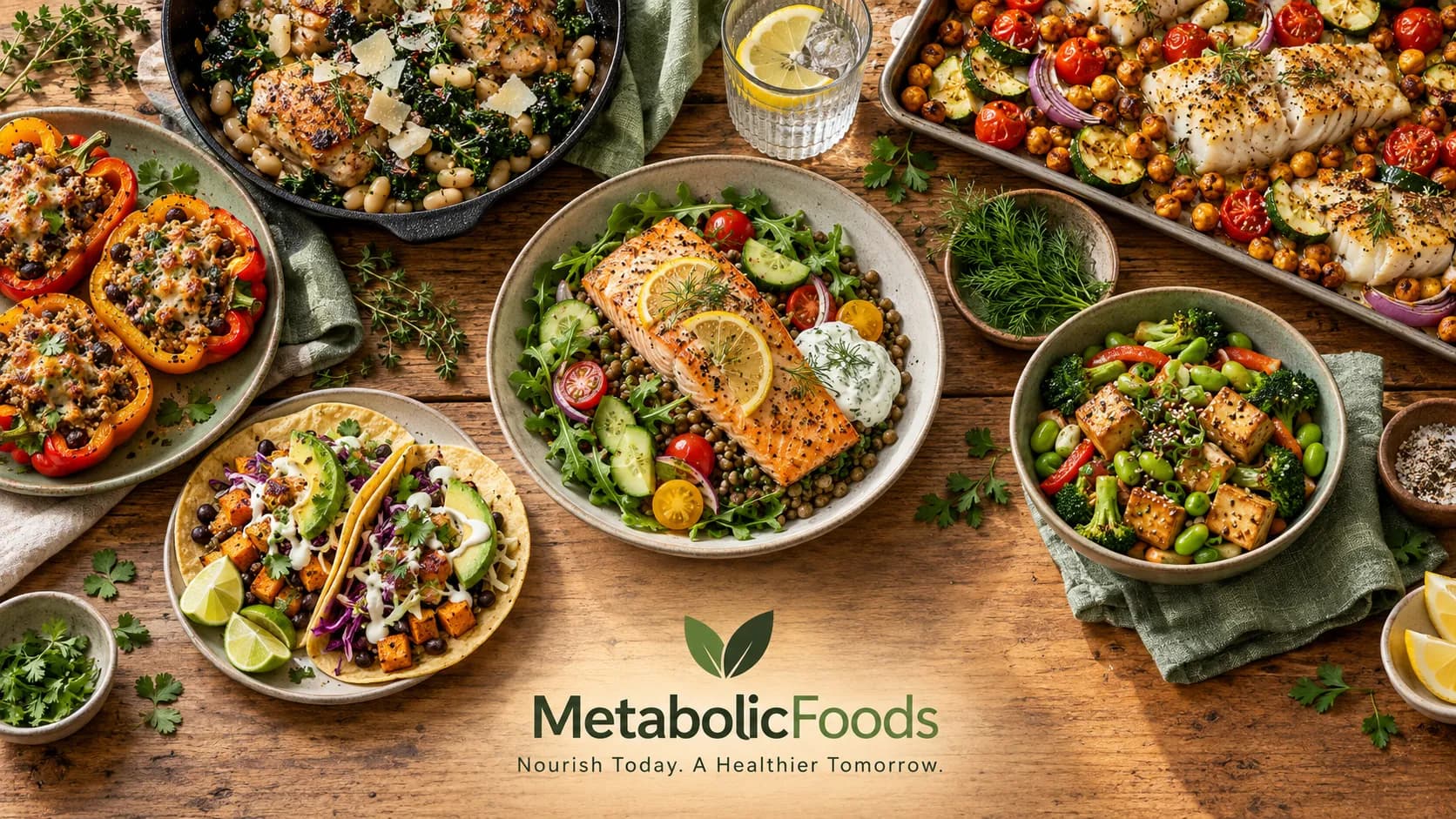
8 Low Glycemic Dinner Recipes for Real Life
Low glycemic dinner recipes pair familiar carbohydrates with protein, fiber, and healthy fats. Here are 8 weeknight dinners, from salmon lentil bowls to black bean tacos, plus simple swaps that keep dinner satisfying.
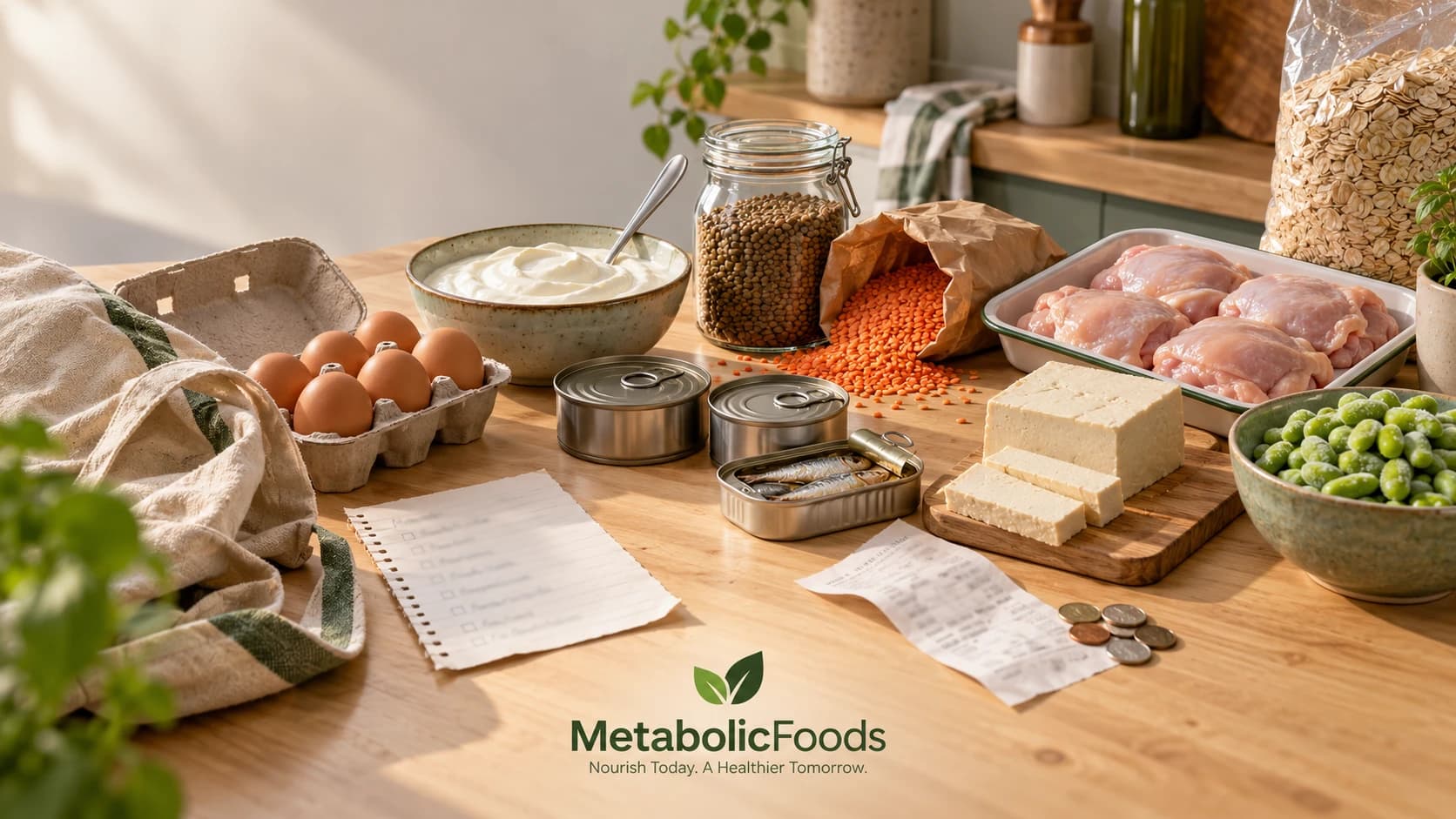
High Protein Foods on a Budget: Staples That Stretch Every Dollar
High protein foods on a budget are less about one bargain product and more about staples like eggs, Greek yogurt, lentils, canned fish, and tofu that deliver protein, fiber, and staying power per dollar.
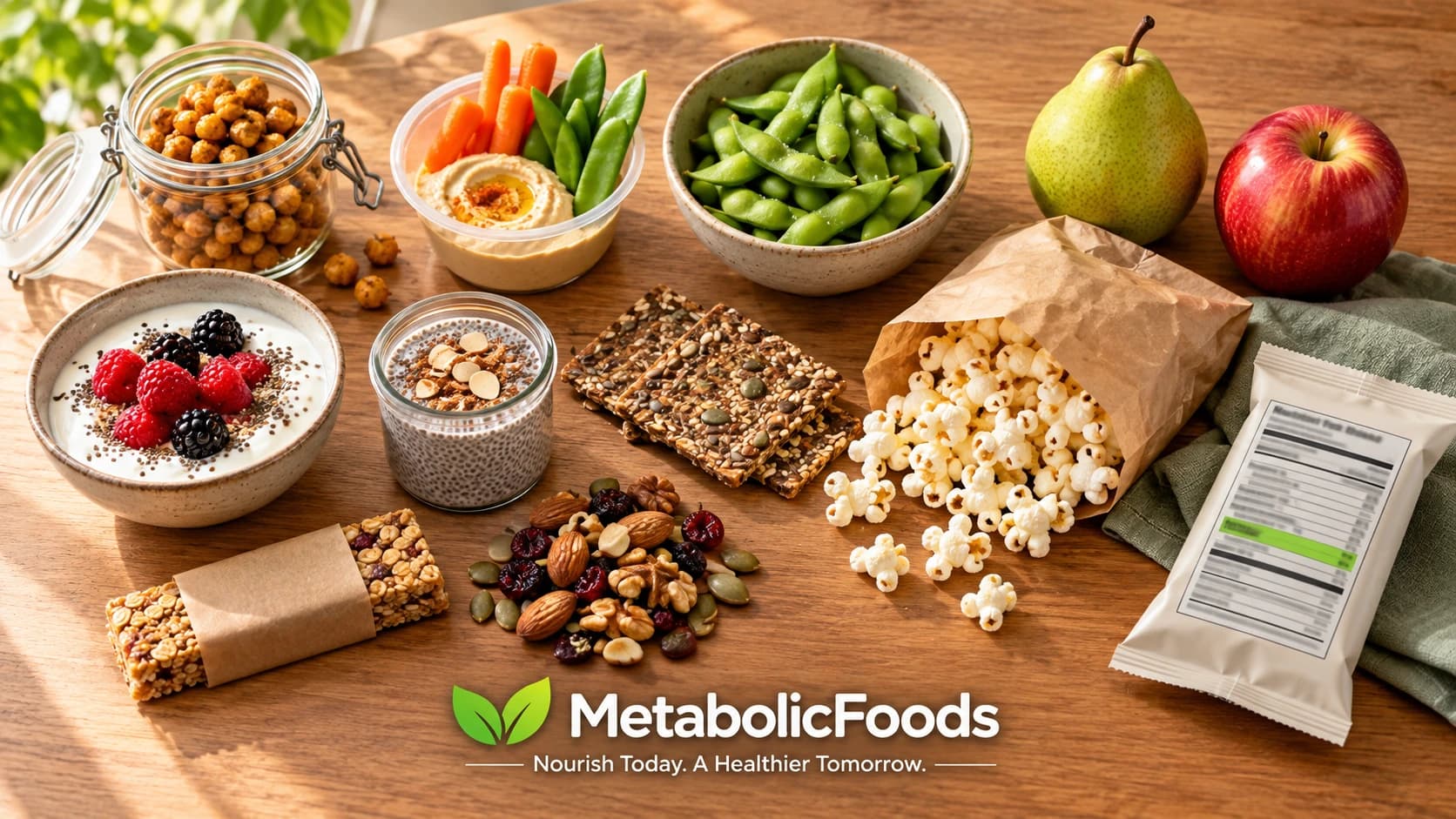
12 High Fiber Snacks to Buy (and How to Read the Label)
The best high fiber snacks to buy are the ones you will actually eat. Here are 12 practical options, from roasted chickpeas and berries to popcorn and whole-grain crackers, plus how to read fiber, sugar, and sodium on the label.
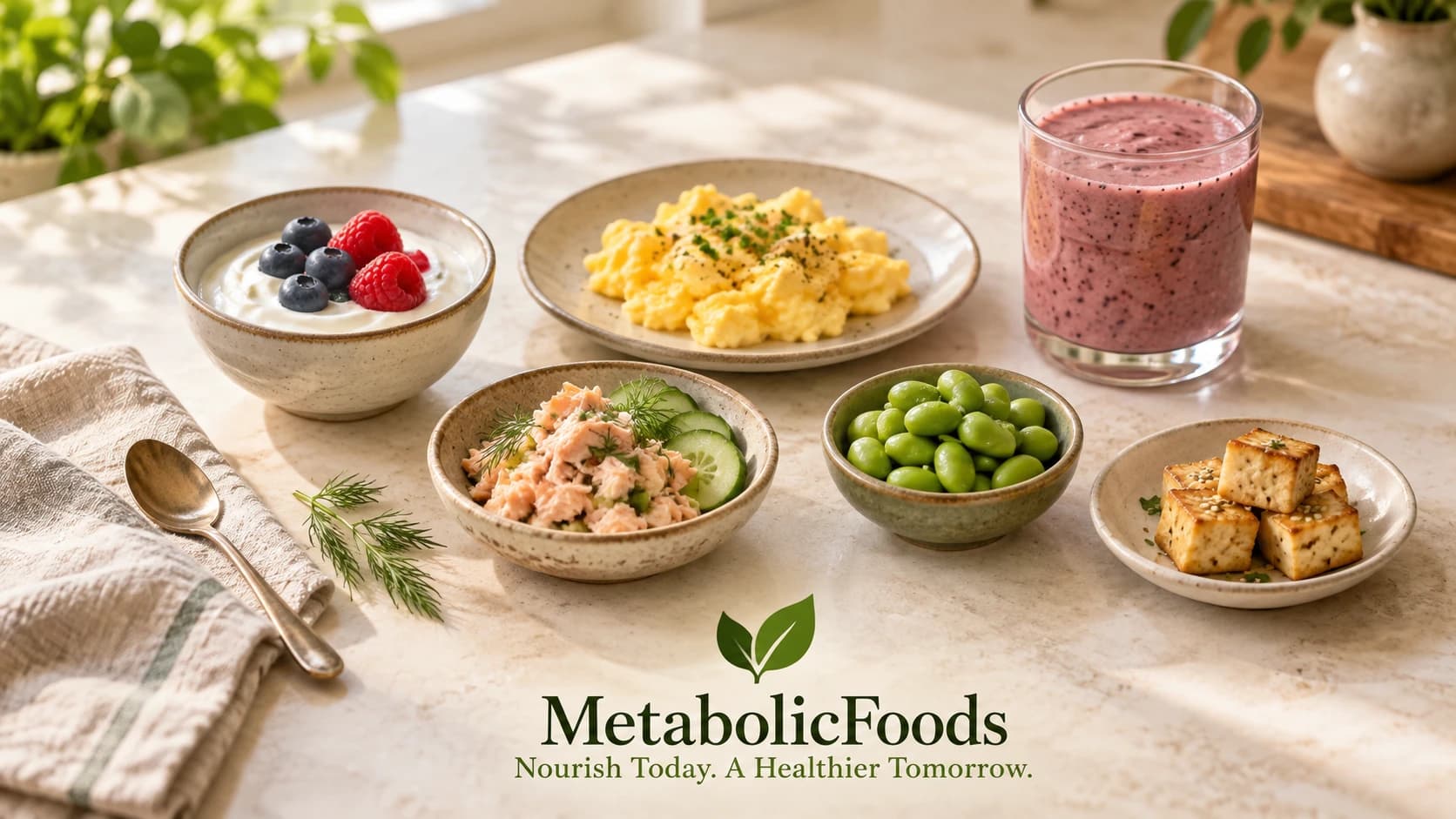
GLP-1 Friendly Protein Foods for a Smaller Appetite
GLP-1 friendly protein foods deliver meaningful protein in small, comfortable portions. Here are practical options, from Greek yogurt and eggs to canned fish, tofu, and simple shakes, plus how to build meals when appetite is low.
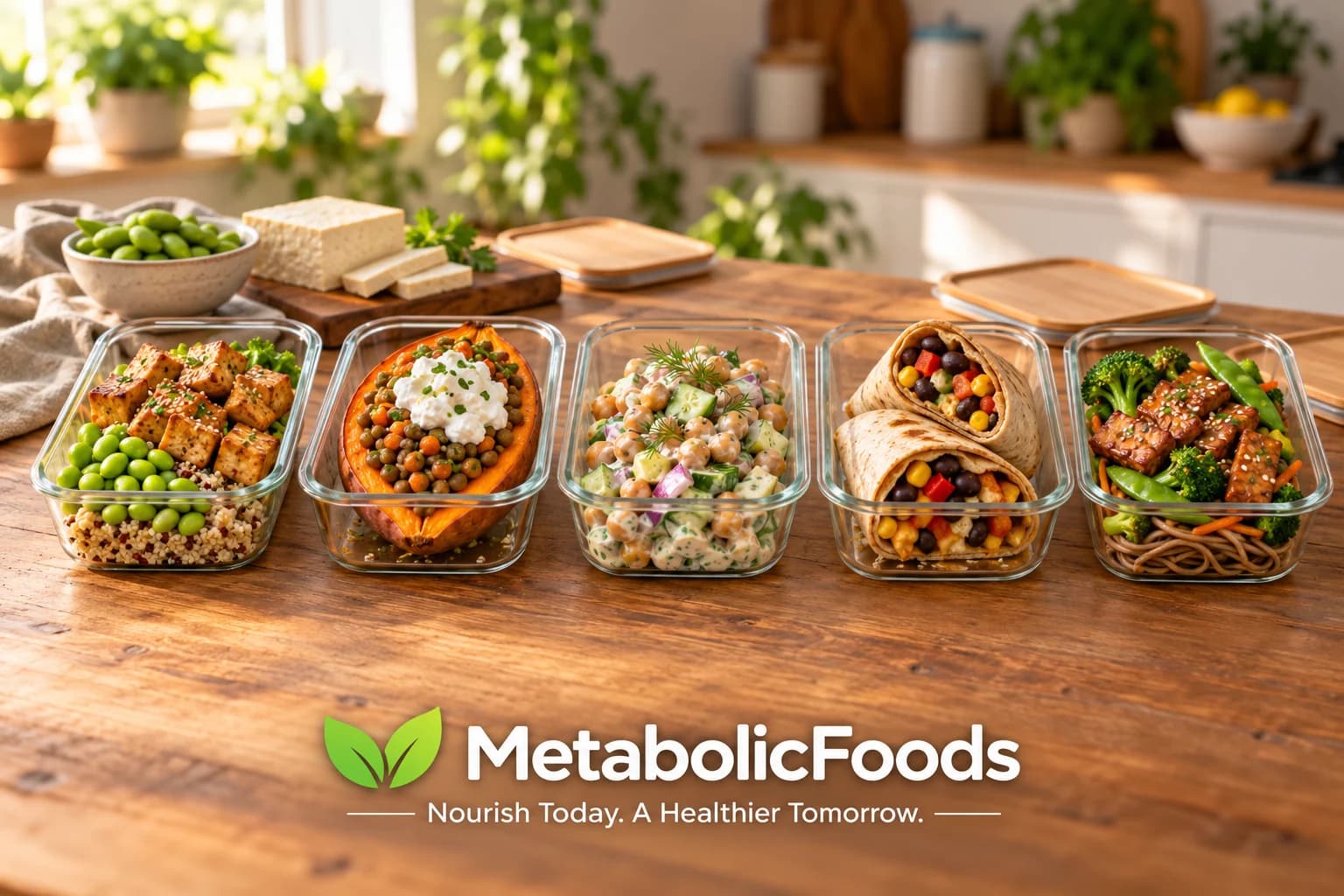
High Protein Vegetarian Meal Prep That Lasts
A practical high protein vegetarian meal prep plan: pick two protein anchors, prep one fiber-rich base, and turn them into five meals that hold up through the week, with USDA-based protein estimates and safe storage tips.
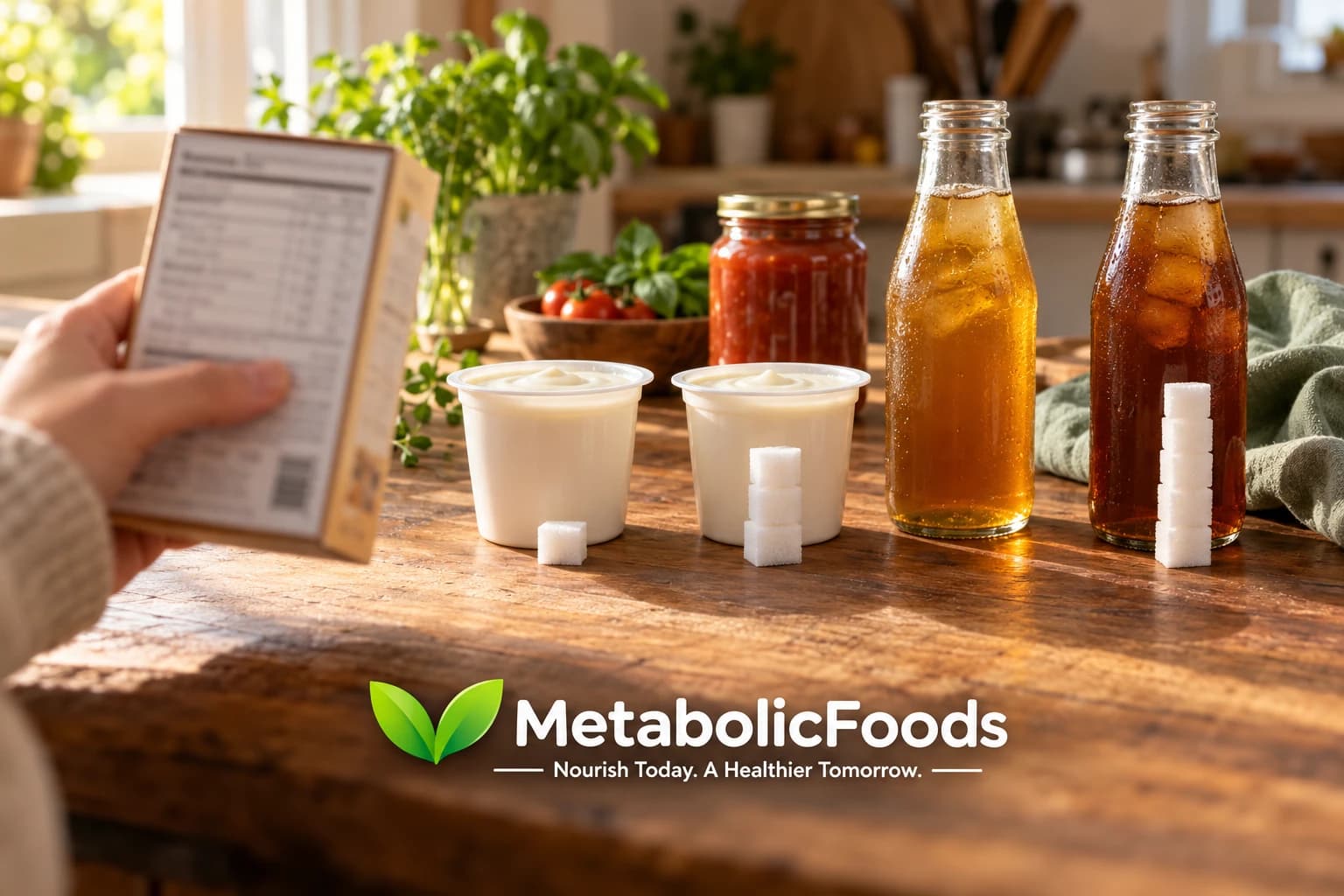
How to Read Added Sugar Labels: A Practical Guide
Learn how to read added sugar labels: where the line sits on the Nutrition Facts panel, what the Daily Value means, how serving sizes work, and which package claims need a closer look.
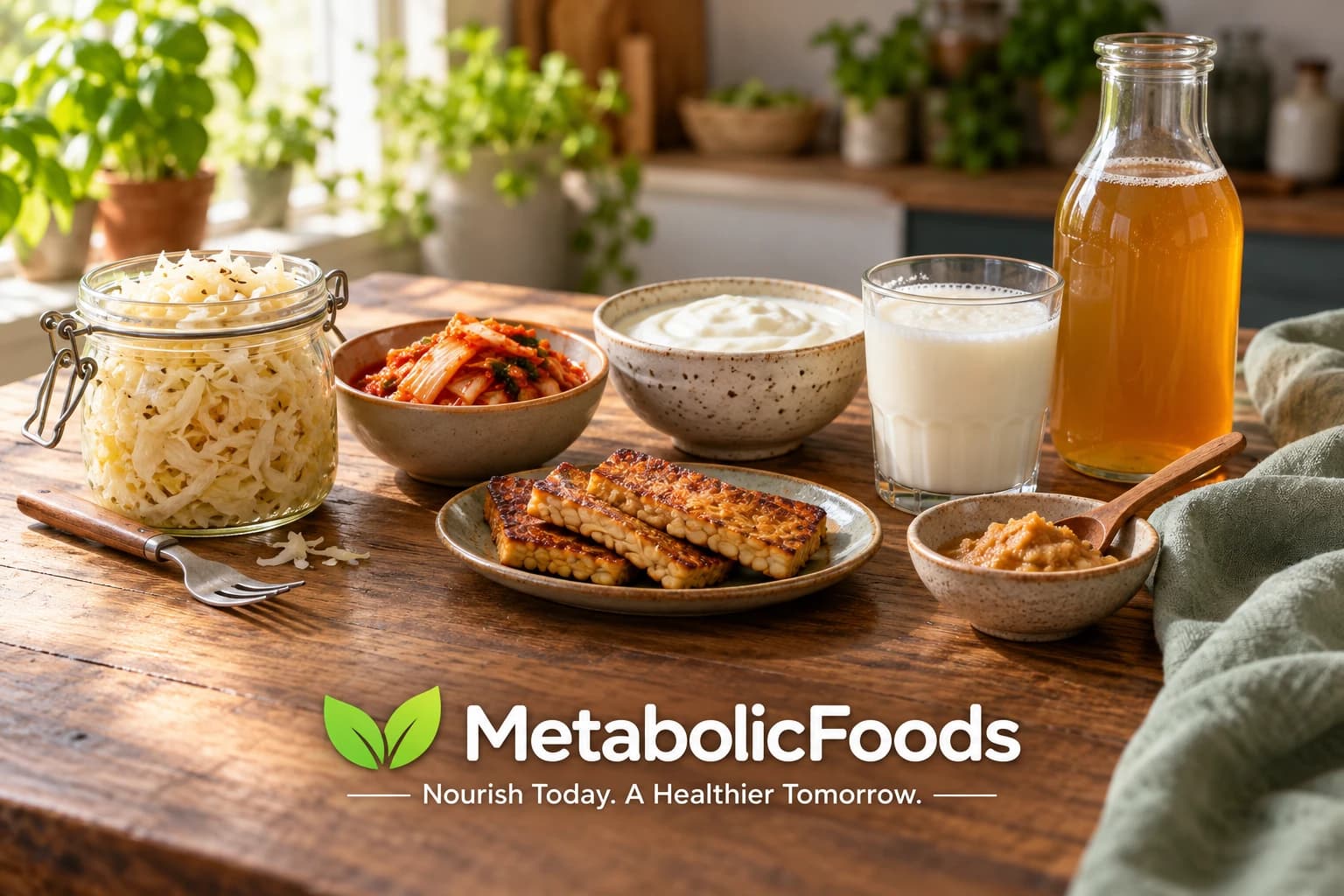
Fermented Foods With Probiotics: A Practical Shopping Guide
Not every fermented food contains live microbes, and live cultures are not automatically probiotics. How to read labels for yogurt, kefir, kimchi, sauerkraut, miso, tempeh, and kombucha.
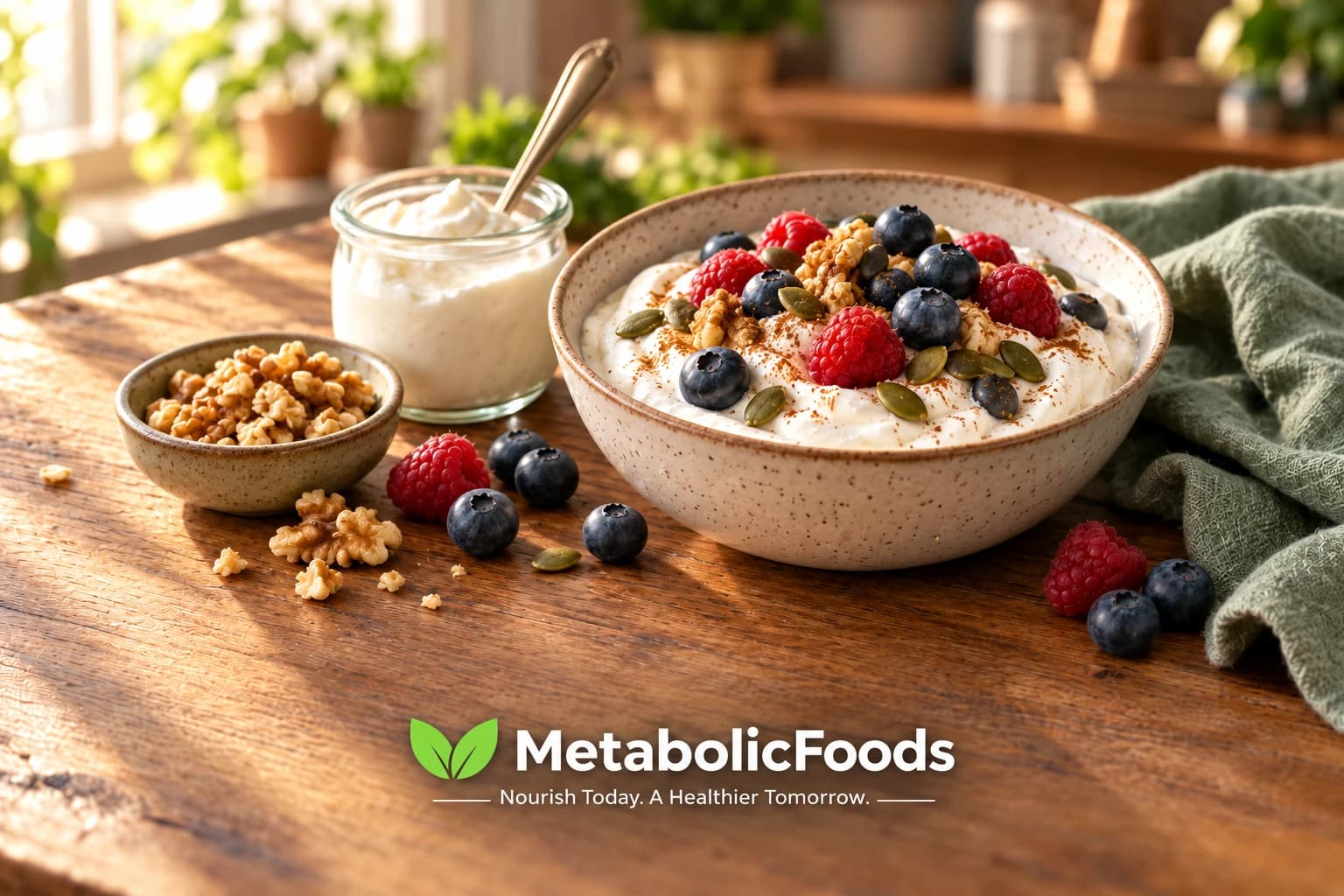
7 Best Low Sugar Yogurt Brands to Look For
Compare seven lower-sugar yogurt brands by protein, ingredients, and sweeteners, plus a simple label-reading method for smarter grocery choices.
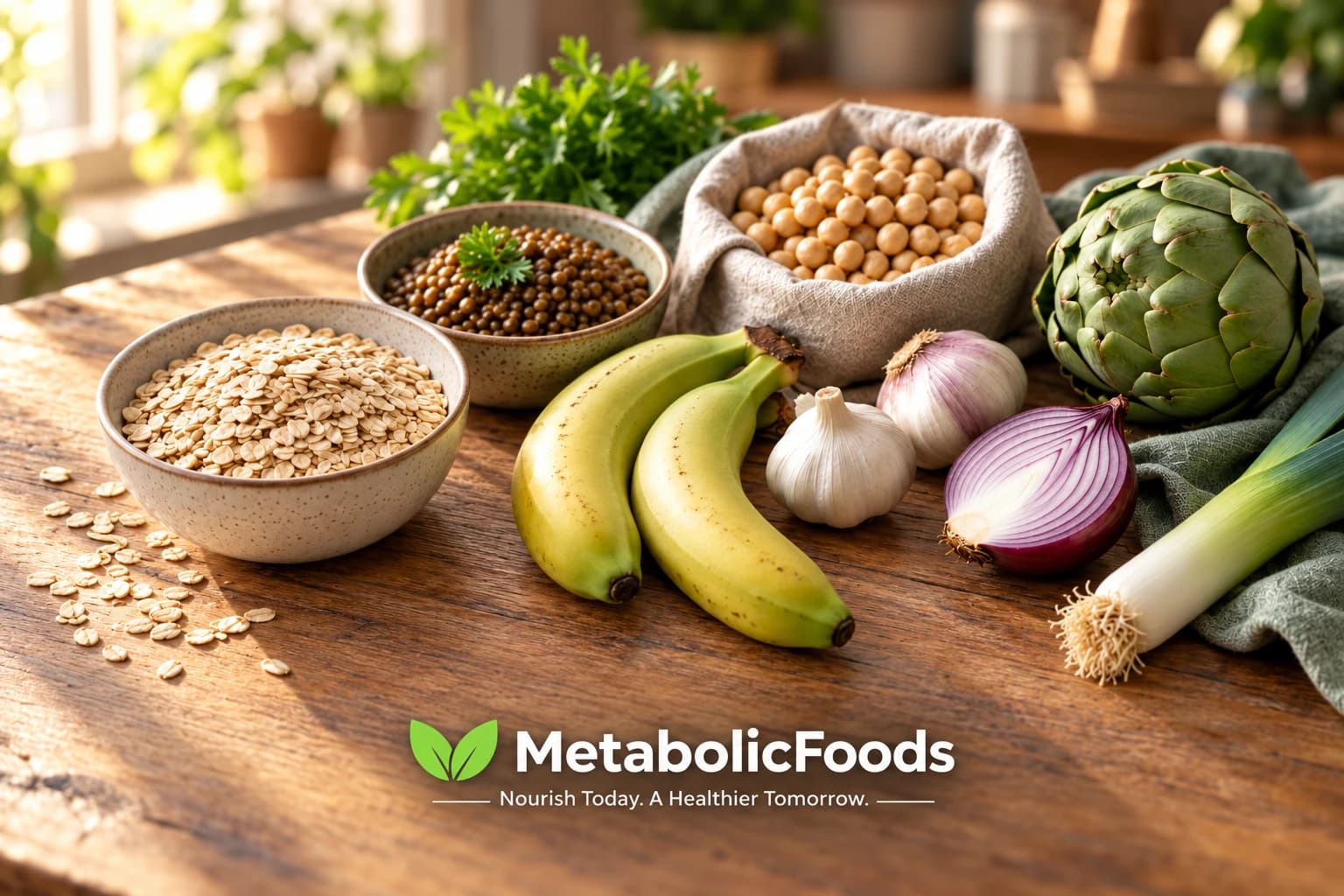
What Is Prebiotic Fiber? Foods, Benefits, and Tips
What is prebiotic fiber? Learn how it differs from probiotics and total fiber, which everyday foods supply it, and how to add more gradually and comfortably.
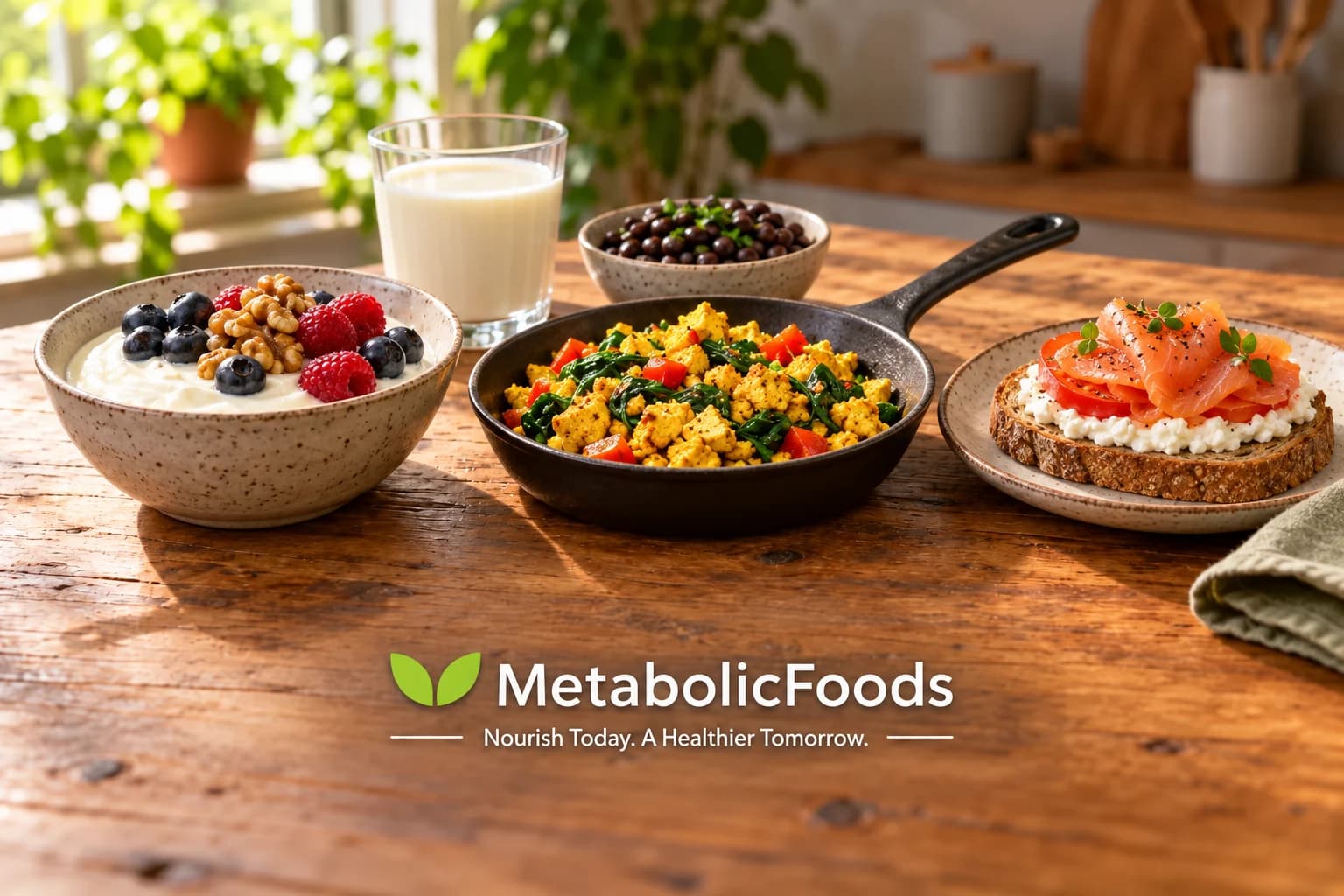
10 High Protein Breakfasts Without Eggs to Try
No eggs, no problem. Ten practical breakfasts built around Greek yogurt, cottage cheese, tofu, beans, lentils, and more, plus how to build a protein-forward morning meal.
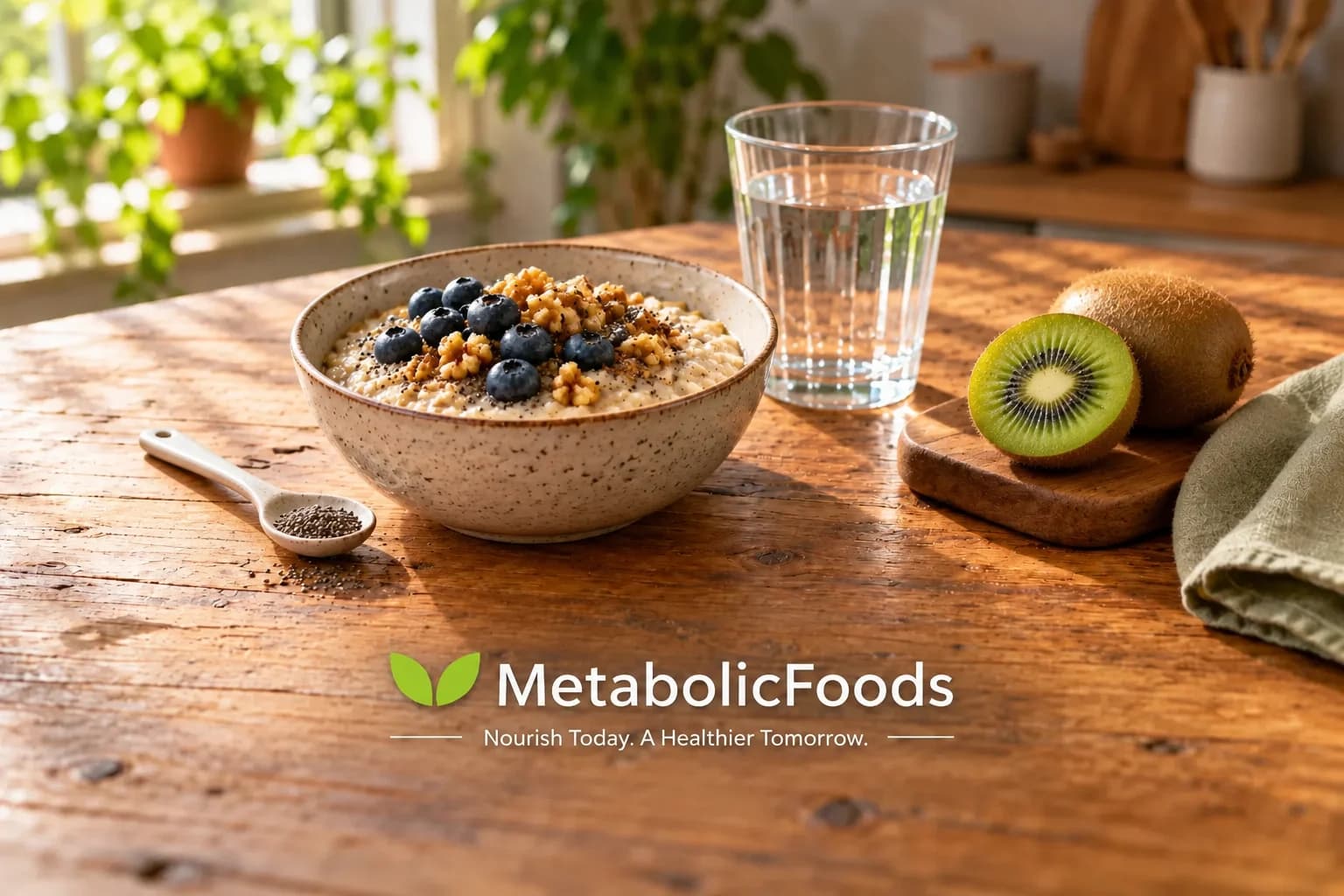
How to Increase Fiber Gradually Without Gut Upset
Adding fiber too fast can bring gas, bloating, and cramps. Here is how to increase it step by step, read labels, and choose gentler starting foods.
Does Resistant Starch Cause Gas? What to Know
Resistant starch can cause gas, especially when you add it quickly. Here is why it happens, why some foods feel harder to tolerate, and how to increase it more comfortably.
High-Fiber Foods With Resistant Starch: What to Eat and Why
Discover high-fiber foods with resistant starch, how cooking and cooling affect starch, and simple ways to add more fiber to everyday meals.
What Is Resistant Starch? Foods, Benefits, and How It Works
Resistant starch is the portion of starch that skips digestion in the small intestine. Here is how it is classified, what the research links to it, and where it shows up in ordinary food.
How to Build a Lower-Glycemic Meal
Glycemic index describes individual foods. Here is what the research says about how combining and sequencing foods within a meal changes the outcome.
Prebiotics vs. Probiotics: What's the Difference?
The two words are easy to mix up. Here are the formal, expert-consensus definitions of each, and how fermented foods fit alongside both.
Soluble vs. Insoluble Fiber: What's the Difference?
Fiber is often discussed as two broad types. Here is what soluble and insoluble actually describe, what current research links to each, and why the field has moved past a simple binary.
Protein at Breakfast: How Much Do You Really Need?
Total daily protein and per-meal protein are two different questions. Here is what the research on muscle protein synthesis says about the second one, and what it looks like on a plate.
What Are Functional Foods, Really?
"Functional food" appears on packaging with a confidence the term hasn't earned. Here is how researchers use it, why it is not an FDA category, and what the label claims behind it actually mean.
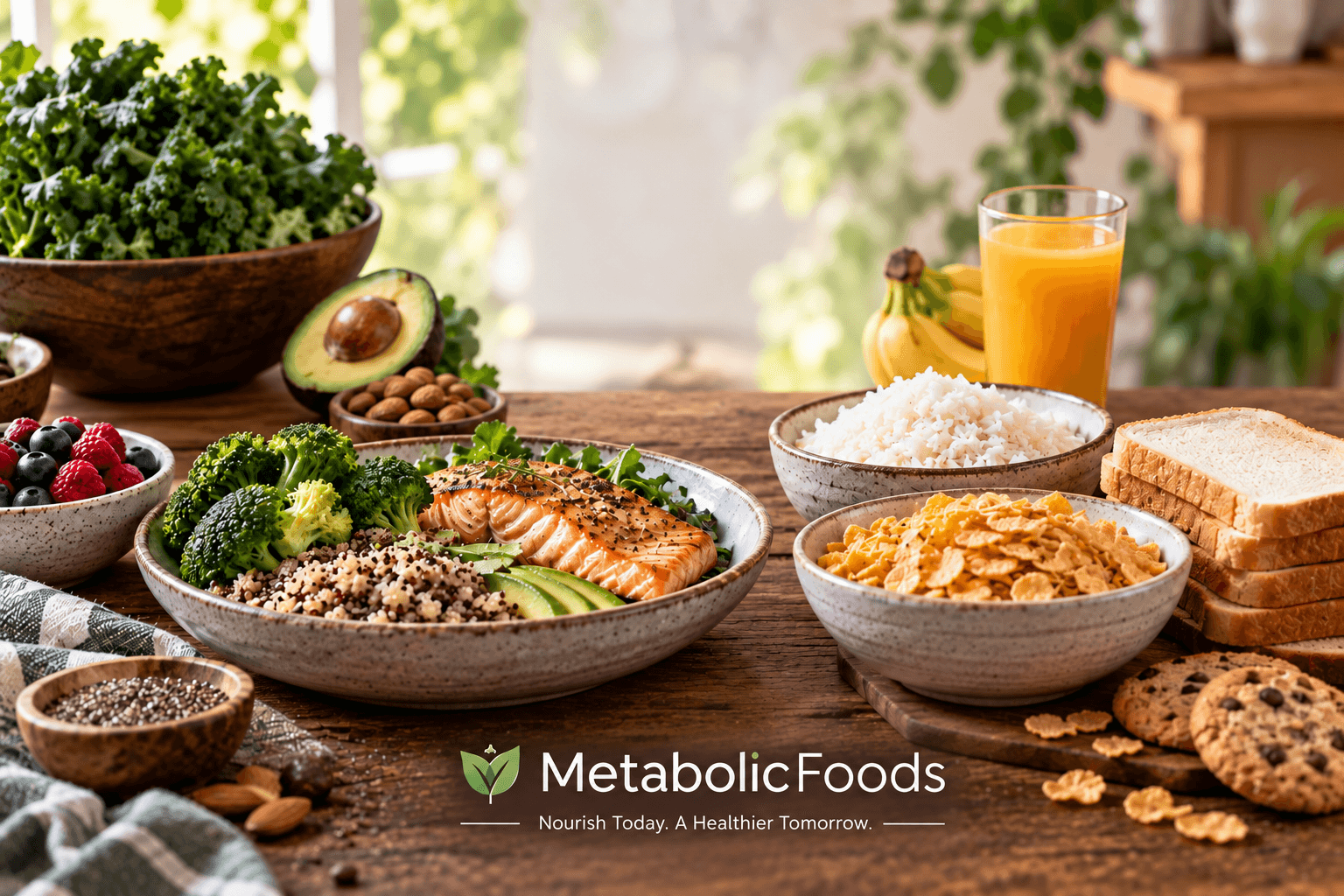
Glycemic Index vs. Glycemic Load: What's the Difference?
Glycemic index tells you how fast a carbohydrate food raises blood sugar; glycemic load adds the portion you actually eat. Here is how each is measured, what the evidence shows, and how to use both at the store and on the plate.
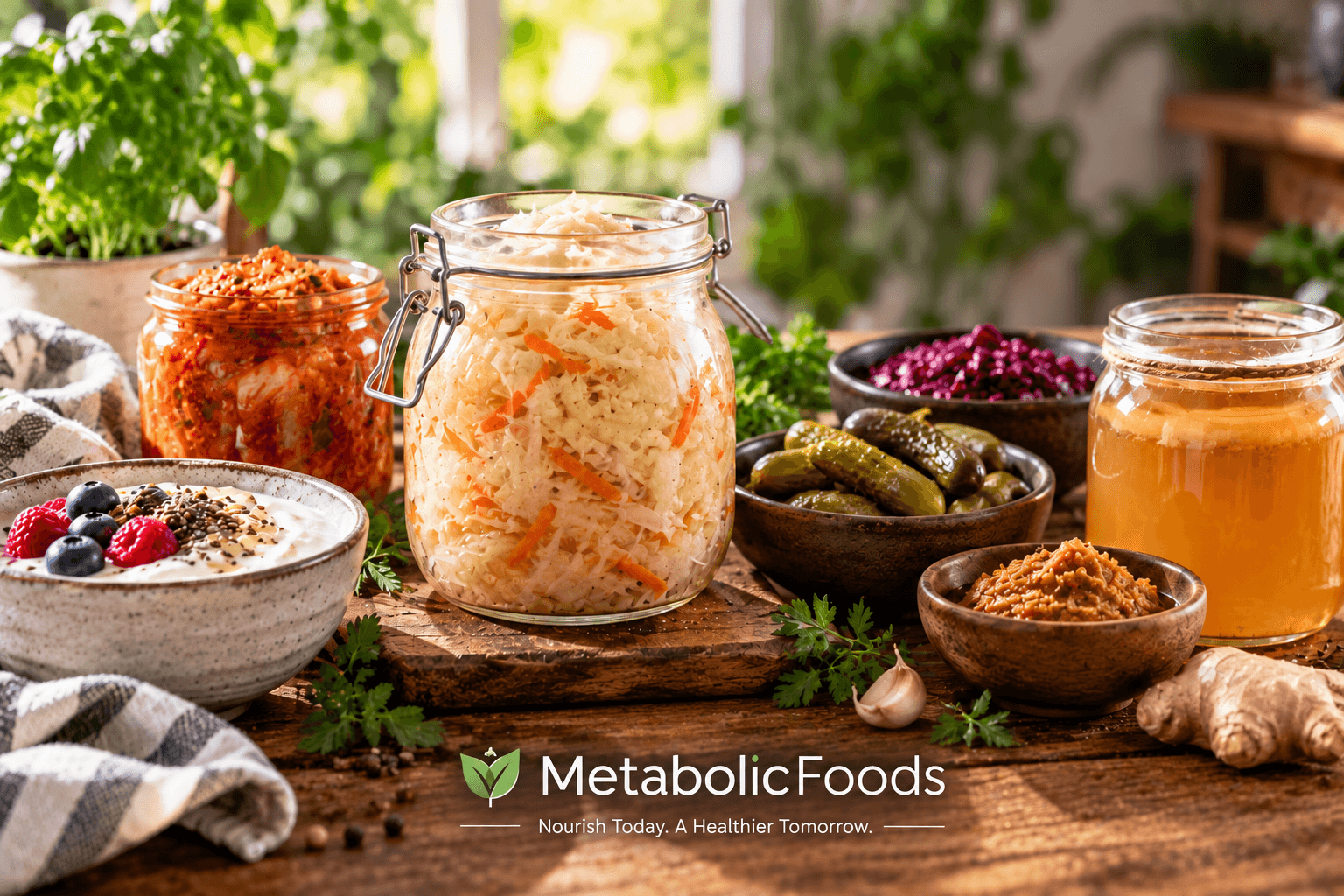
Do Fermented Foods Really Help Gut Health?
Fermented foods are sold with confident promises. A 2025 review of 19 randomized trials points to real signals for everyday digestion — and rates the evidence as mostly low certainty. Here is the honest version.
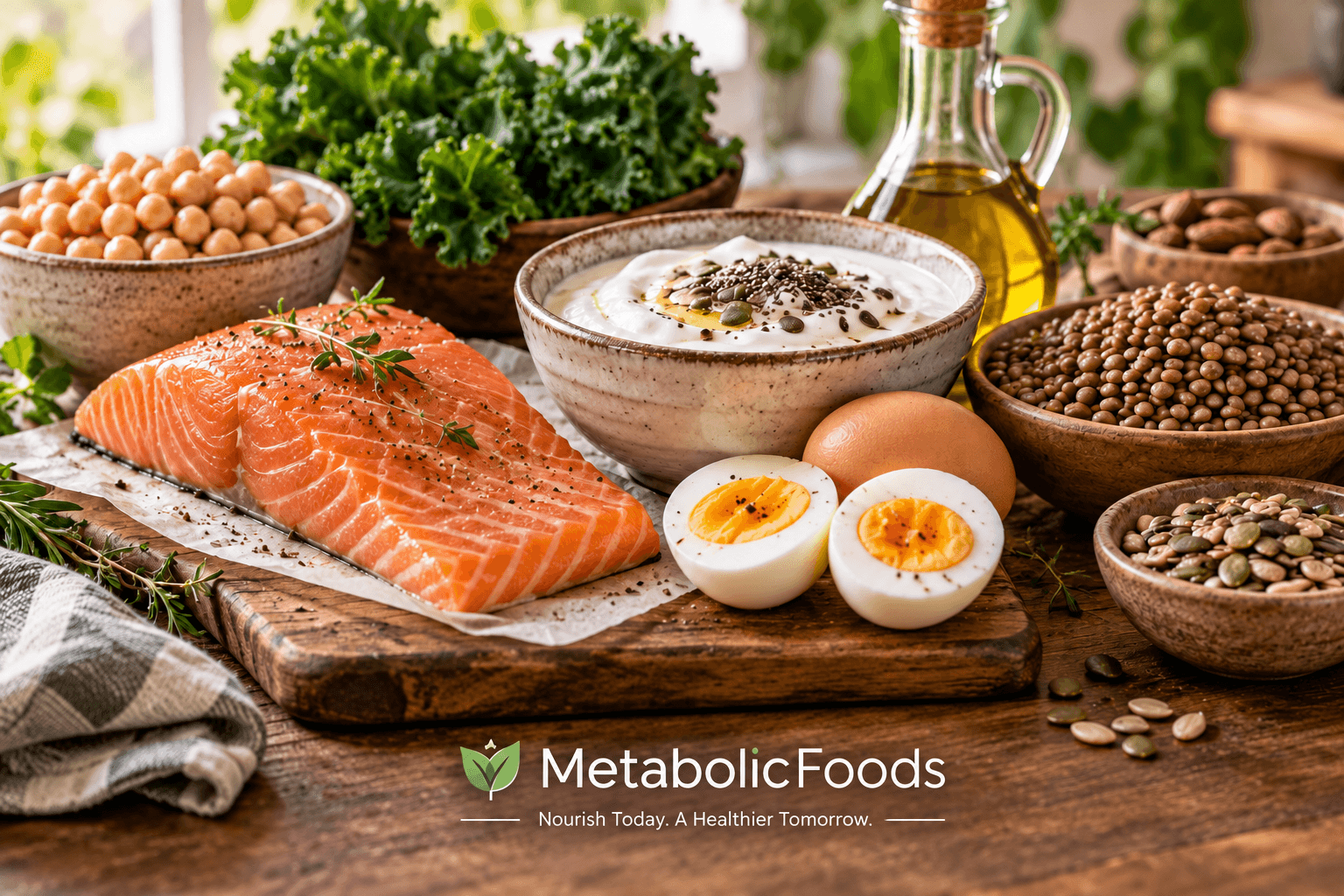
How Much Protein Do You Actually Need?
The official protein number is often called "too low" and just as often misread. Here is what the RDA actually defines, why some researchers read it differently, and the one effect of protein the trials agree on.
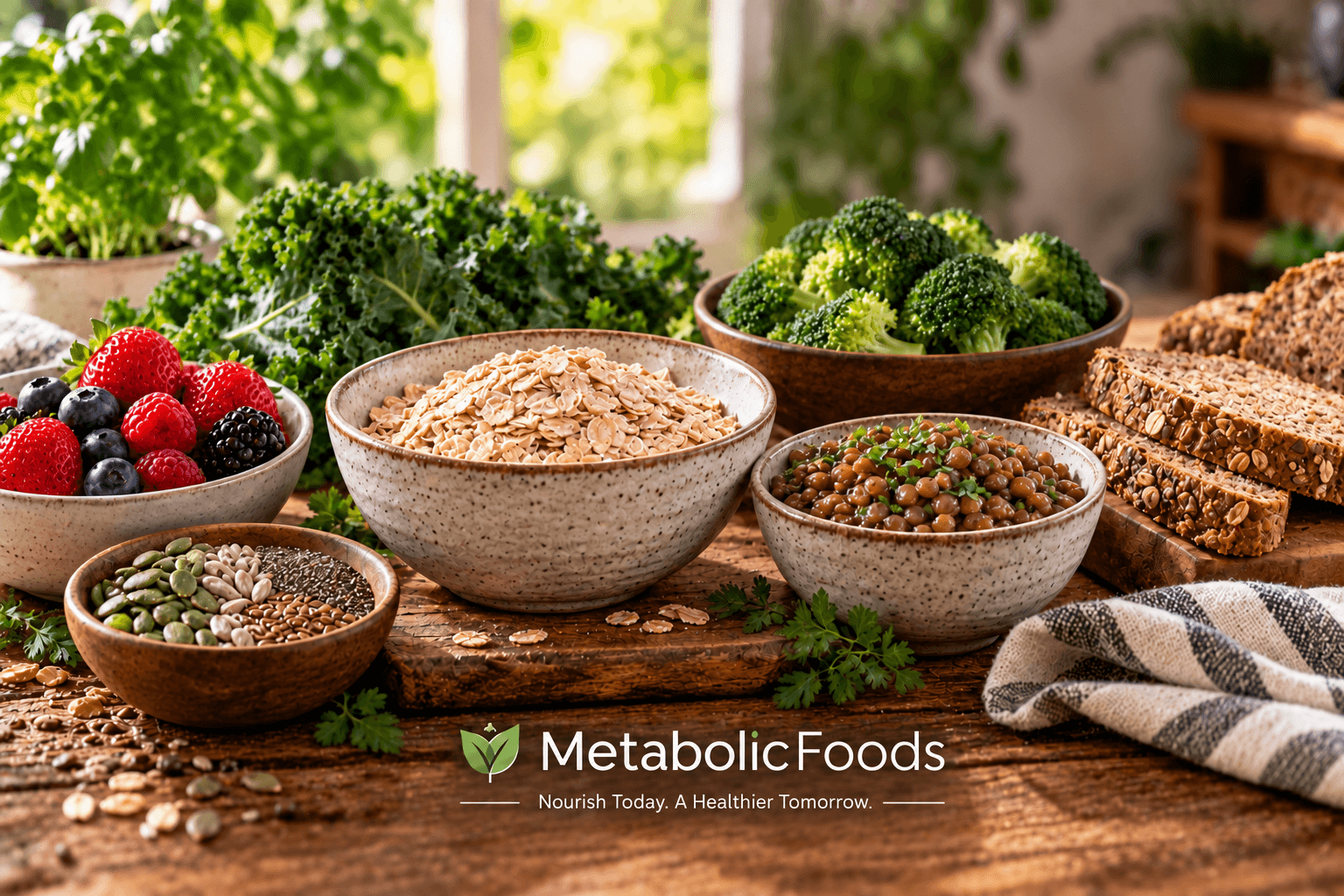
How Much Fiber Do You Really Need?
Fiber is recommended everywhere and explained almost nowhere. Here is what a major 2019 review found, what "association" really means, and how two ordinary meals get you most of the way.