12 Best Low Sugar Condiments for Everyday Meals
The best low sugar condiments add acid, heat, and savory depth without much added sugar. Here are 12 to keep on hand and how to compare labels at the store.
By MetabolicFoods Editorial Team
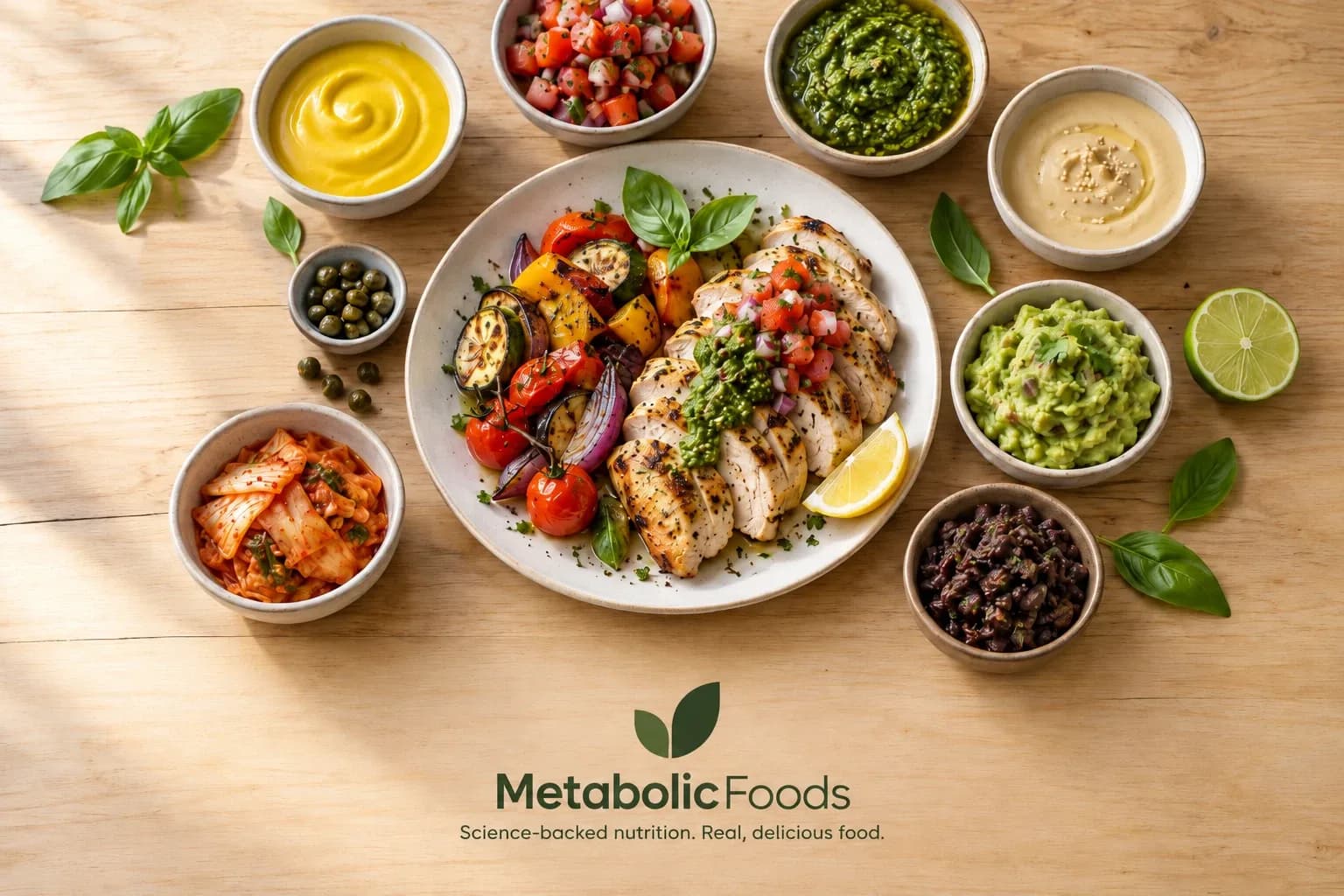
A tablespoon of barbecue sauce can add more sugar than many people expect—about 6 grams in a typical version, while the same spoonful of ketchup has close to 4. Sweet chili sauce, teriyaki sauce, and many salad dressings follow the same pattern. That does not make those foods off-limits, but choosing the best low sugar condiments can make everyday meals easier to build around vegetables, protein, fiber, and steady, satisfying flavor.
Condiments are small in volume but often used frequently. For people paying attention to blood-sugar awareness, metabolic health, or simply their overall added sugar intake, they are a practical place to make a change without making meals feel restrictive. The goal is not to eliminate flavor. It is to choose ingredients that bring acid, heat, herbs, spices, and savory depth without relying heavily on added sweeteners.
What “Low Sugar” Means on a Condiment Label
A low-sugar condiment is not always a sugar-free condiment. Some foods naturally contain small amounts of sugar, including tomatoes, onions, fruit, and dairy. What matters most for most grocery decisions is the amount of added sugar per serving, the serving size, and how much you actually use.
Compare products within the same category. A mustard with 0 grams of added sugar is meaningfully different from a honey mustard that lists several grams per tablespoon. A marinara made primarily from tomatoes may contain some naturally occurring sugar, while another jar adds sugar or syrup to create a sweeter flavor profile.
The Nutrition Facts label is the useful starting point. Look at total sugars and added sugars, then scan the ingredient list for sugar, cane sugar, brown sugar, honey, maple syrup, agave, fruit juice concentrate, or syrups. None of these ingredients is inherently forbidden, but they all contribute sweetness and should fit the role the condiment plays in your meals.
Serving sizes need context, too. A label may look modest at one teaspoon, while a typical serving on a burger, grain bowl, or plate of roasted vegetables is two or three times that amount. If you use a condiment generously, its nutrition profile matters more.
12 Best Low Sugar Condiments to Keep on Hand
The best choices depend on your taste, dietary preferences, and the meal in front of you. These options are useful because they offer strong flavor without requiring sweetness to do all the work.
1. Yellow or Dijon mustard. Plain yellow mustard and many Dijon mustards contain little or no added sugar. Their tangy, sharp flavor works in sandwiches, vinaigrettes, egg dishes, and marinades. Check flavored varieties, particularly honey mustard, which can be much sweeter.
2. Vinegar-based hot sauce. A basic hot sauce made with peppers, vinegar, salt, and spices is often low in sugar. It can brighten eggs, beans, tacos, soups, roasted vegetables, and grilled proteins. Heat level varies widely, and sodium can add up when it is used heavily.
3. Salsa. Tomato salsa, tomatillo salsa, and fresh pico de gallo can bring acidity, vegetables, herbs, and chile heat with little added sugar. Use salsa beyond tortilla chips: it is a useful topping for scrambled eggs, salmon, chicken, black beans, and grain bowls.
4. Unsweetened Greek yogurt sauces. Plain Greek yogurt mixed with lemon, garlic, herbs, cucumber, or spices creates a creamy condiment with protein and no need for added sugar. It works especially well with roasted vegetables, kebabs, wraps, potatoes, and lentil-based meals. Choose plain yogurt rather than flavored yogurt.
5. Pesto. Traditional pesto gets its richness from basil, olive oil, pine nuts or other nuts, and cheese rather than sugar. A spoonful can add concentrated flavor to vegetables, chicken, fish, beans, and whole-grain pasta. Jarred products vary, so check sodium and whether olive oil or a different oil leads the ingredient list.
6. Tahini. Made from ground sesame seeds, tahini is savory, nutty, and naturally low in sugar. Whisk it with lemon juice, water, garlic, and salt for a pourable sauce over chickpeas, salmon, roasted cauliflower, or grain bowls. It is calorie-dense, but that does not make it a poor choice. Portion and meal context matter.
7. Hummus. Hummus is closer to a dip than a classic condiment, but it earns a place in everyday meal building. Chickpeas, tahini, olive oil, lemon, and garlic provide a satisfying savory base for sandwiches, vegetable plates, bowls, and wraps. Look for varieties without sweet additions or excessive sodium.
8. Guacamole or mashed avocado. Avocado adds creaminess, fiber, and unsaturated fat with minimal sugar. A simple guacamole made with lime, cilantro, onion, and salt works with eggs, salads, tacos, beans, and grilled proteins. Packaged options can be convenient, but check that avocado is the main ingredient.
9. Olive tapenade. Olives, capers, herbs, and olive oil create a briny, savory condiment that can replace sweeter relishes or sauces. Tapenade is particularly good with fish, chicken, white beans, tomatoes, and roasted vegetables. Because olives and capers are salty, a little goes a long way.
10. Sauerkraut and kimchi. Fermented vegetables bring tang and crunch with very little sugar in many plain versions. They can make a simple turkey sandwich, rice bowl, or bean dish more interesting. Some kimchi and flavored sauerkraut products contain added sugar, and both can be high in sodium, so labels still matter. If you want live cultures, look for wording such as “unpasteurized” or “contains live cultures”; pasteurized, heat-treated versions no longer contain the live microbes found in fermented foods.
11. No-sugar-added marinara. Tomato-based pasta sauce can be a practical choice when it is made with tomatoes, garlic, herbs, and olive oil without added sweeteners. Use it with meatballs, spaghetti squash, whole-grain pasta, eggs, or white beans. Under FDA rules, “no sugar added” means no sugars were added during processing—it does not mean the sauce has no sugar. The natural sugar from tomatoes is not a problem.
12. A simple vinaigrette. Olive oil, vinegar or lemon juice, mustard, herbs, and spices make a flavorful dressing without the added sugar found in many bottled dressings. Making one at home also lets you adjust acidity and salt to suit the meal. For convenience, look for bottled vinaigrettes that keep added sugar low and use recognizable ingredients.
How to Choose the Best Low Sugar Condiments at the Store
Start with the condiment you genuinely enjoy. A lower-sugar option only helps if it is flavorful enough that you will use it consistently. Then compare two or three products in the same category using the Nutrition Facts label, not front-of-package language alone.
A useful rule is to prioritize condiments with 0 to 2 grams of added sugar per serving when possible, especially for foods you use often. For context, the Daily Value for added sugars is 50 grams. This is a practical benchmark rather than a medical requirement. A sweeter sauce can still fit an overall balanced eating pattern when used occasionally or in a measured amount.
Also look beyond sugar. Sodium is a common trade-off in hot sauces, pickled condiments, soy-based sauces, and prepared dressings. Saturated fat may be relevant in creamy dressings and cheese-based sauces. Sugar substitutes deserve an individual assessment: some people like them, while others dislike their flavor or experience digestive discomfort with certain sugar alcohols. A product does not need to be sugar-free to be a good fit.
Ingredient order can provide another clue. Ingredients are listed in descending order by weight, so a sweetener near the beginning usually signals a sweeter product. For tomato sauces, salsa, mustard, and vinaigrettes, look for vegetables, vinegar, herbs, spices, oils, or legumes to lead the list instead.
Match the Condiment to the Meal, Not Just the Label
The most useful condiment is one that helps a nutrient-dense meal taste complete. A sharp mustard can make a turkey and vegetable sandwich more satisfying. Salsa can add brightness to eggs and black beans. Tahini can turn roasted vegetables and lentils into a substantial lunch. These combinations matter because enjoyable meals are easier to repeat.
For a balanced plate, pair low-sugar condiments with a source of protein, high-fiber plants, and a carbohydrate portion that fits your needs and preferences. A condiment will not determine metabolic health on its own, but it can support a pattern of meals built from real foods rather than highly sweetened sauces.
Keeping a few contrasting flavors helps prevent routine meals from becoming bland: one acidic option such as vinegar or salsa, one spicy option such as hot sauce, one creamy option such as yogurt sauce or tahini, and one savory option such as pesto or tapenade. That small range gives you flexibility without a crowded refrigerator door.
Flavor does not have to come from sugar. Build your next grocery list around the condiments you will actually reach for, then use them to make beans, vegetables, eggs, fish, chicken, and whole grains feel like meals worth looking forward to.
Sources
- Added Sugars on the Nutrition Facts LabelU.S. Food and Drug AdministrationVerified
- Serving Size on the Nutrition Facts LabelU.S. Food and Drug AdministrationVerified
- 21 CFR 101.60 — Nutrient content claims for the calorie content of foodsU.S. Food and Drug Administration (Code of Federal Regulations)Verified
- A Systematic Review of the Effects of Polyols on Gastrointestinal Health and Irritable Bowel SyndromeAdvances in NutritionJuly 14, 2017Verified
- 21 CFR 101.4 — Food; designation of ingredientsU.S. Food and Drug Administration (eCFR)Verified
- USDA FoodData CentralU.S. Department of AgricultureVerified
- ISAPP consensus statement on fermented foodsNature Reviews Gastroenterology & HepatologyJanuary 4, 2021Verified
Continue reading
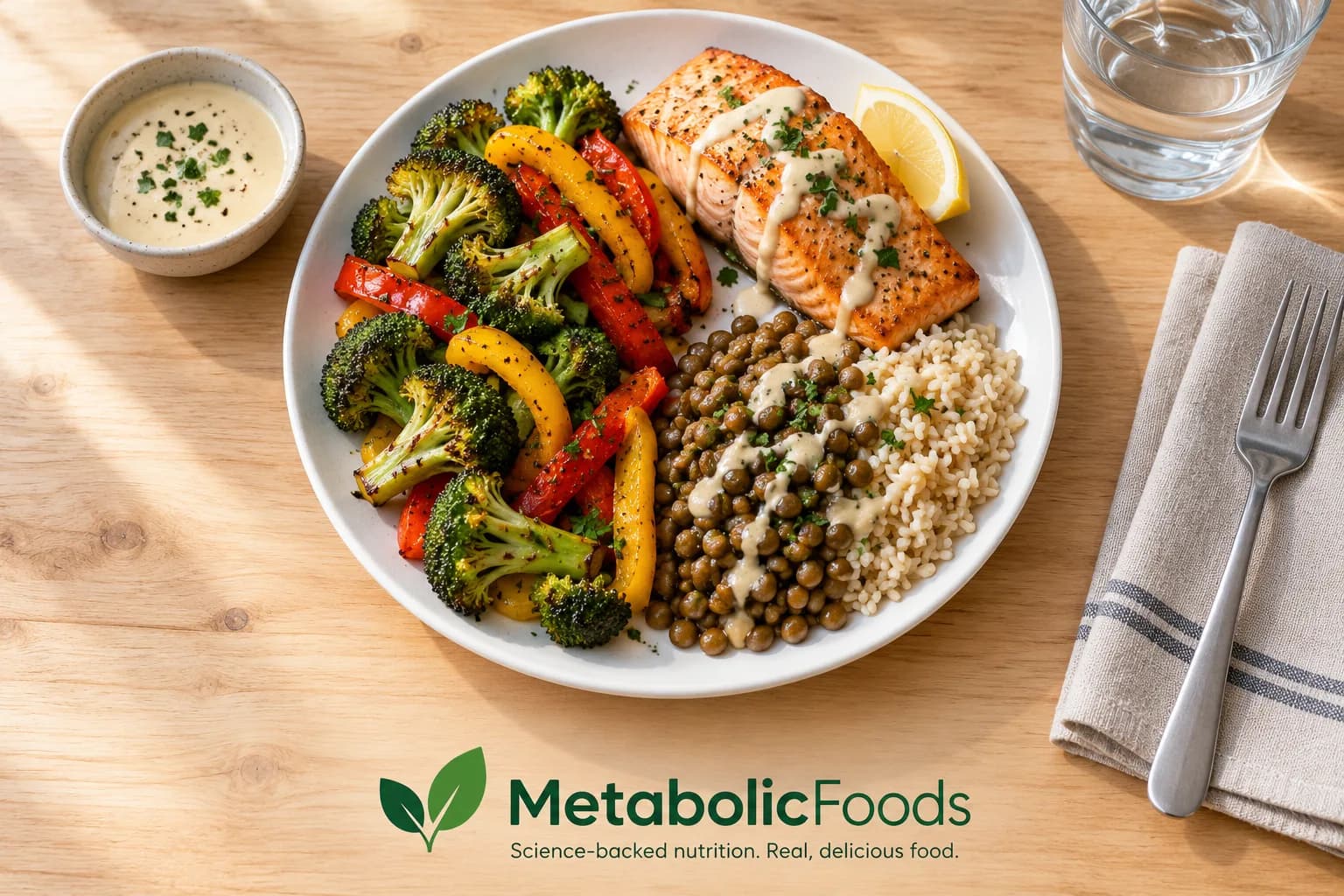
Balanced Plate Meal Example for Better Energy
A balanced plate meal example you can actually cook: salmon, lentils, and vegetables, plus three everyday variations and simple fixes when a meal leaves you hungry.
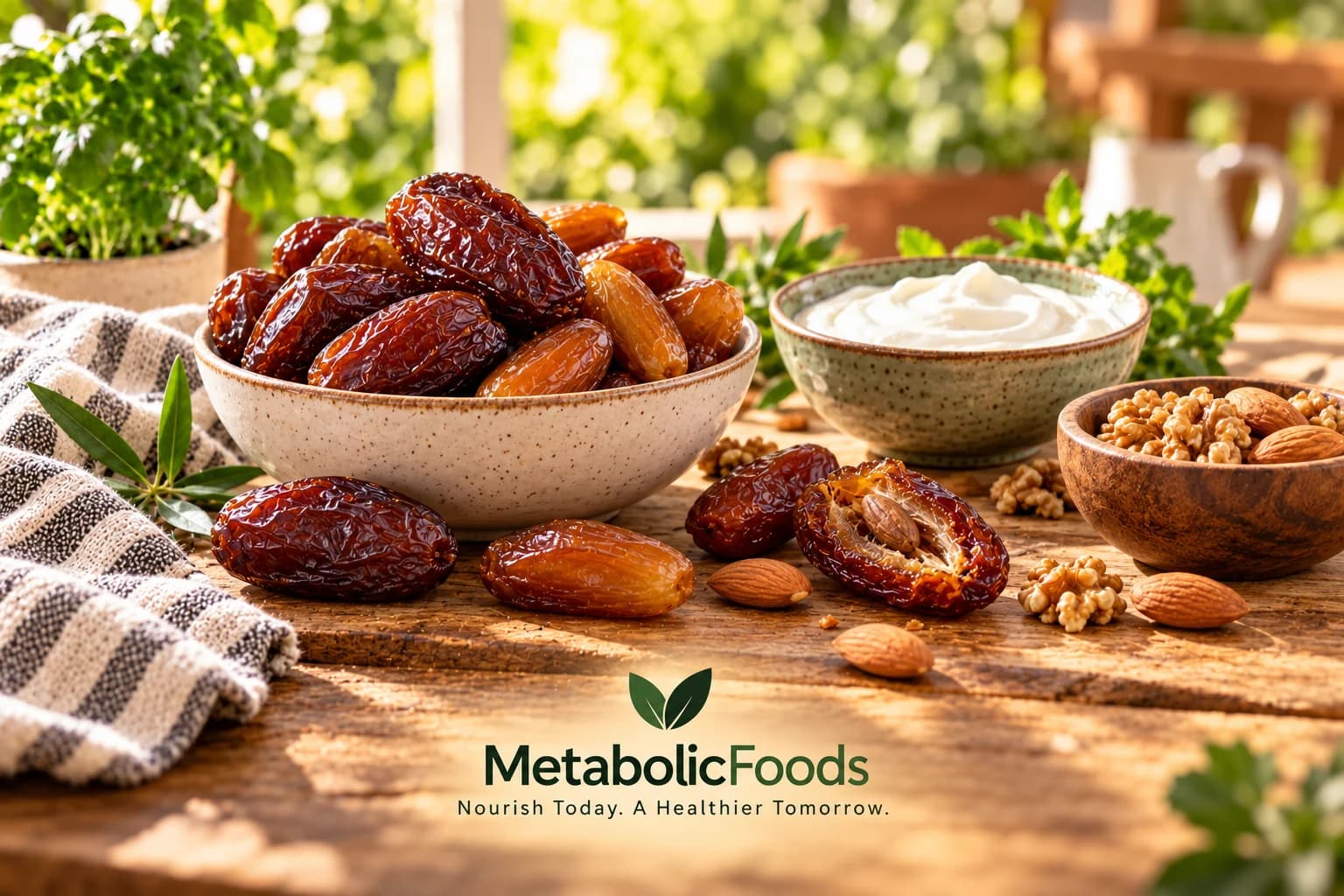
Are Dates Healthy? Benefits, Sugar, and Portions
Dates provide fiber, potassium, and polyphenols along with concentrated natural sugar. Learn what the research says about blood sugar, portions, and practical ways to eat them.
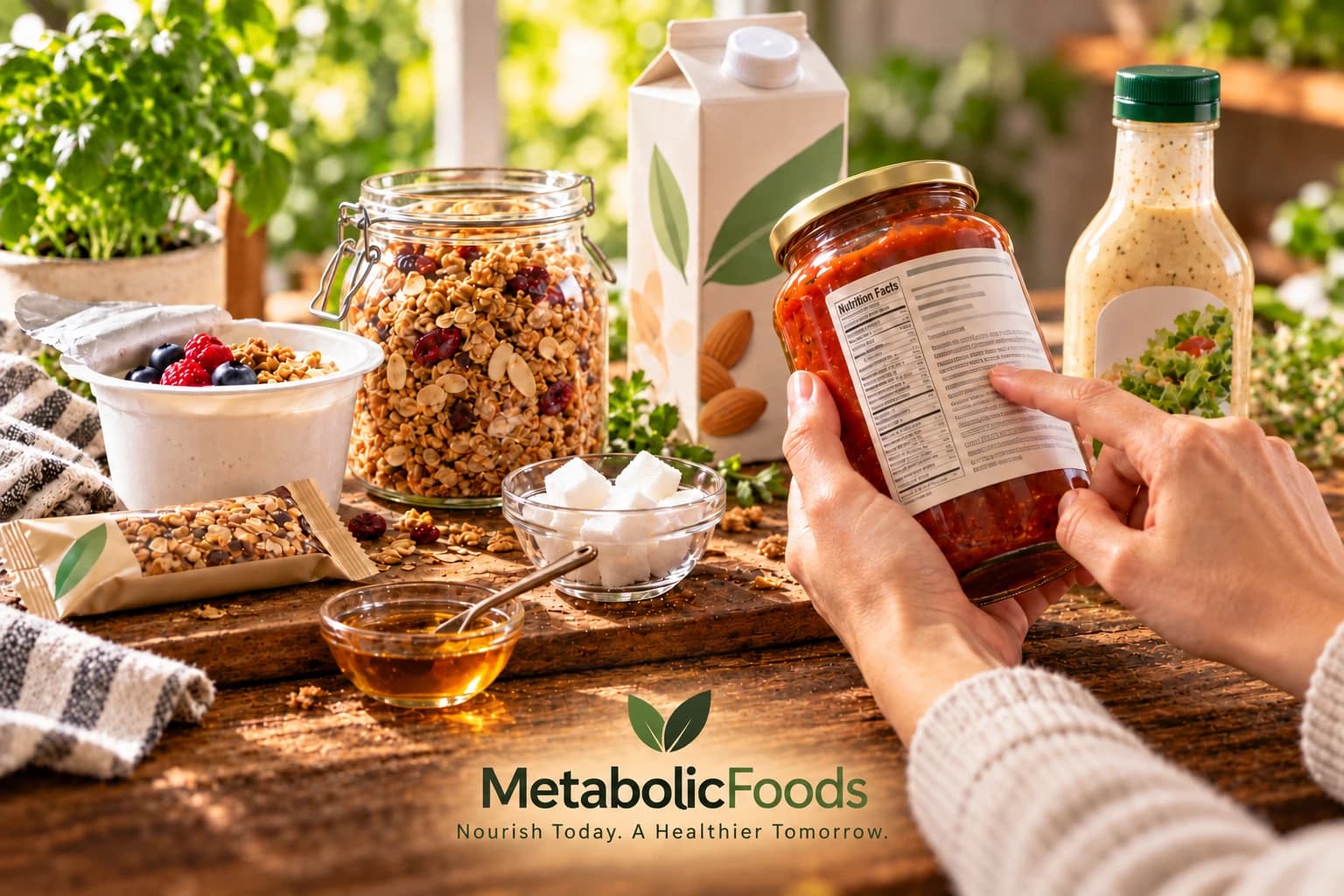
Hidden Sugar Ingredients to Spot on Food Labels
Learn which ingredient names signal added sugar, how concentrates and sugar alcohols are labeled, and how to compare packaged foods in context.