Low-Glycemic Foods: A Practical Guide for Everyday Meals
Learn which carbohydrate foods are commonly low glycemic, which nutritious foods do not have a meaningful GI, and how to build balanced meals without chasing one number.
By MetabolicFoods Editorial Team

Lentils, pasta cooked al dente, many whole fruits, and some minimally processed grain products can produce a lower post-meal glucose response than highly refined carbohydrate foods under standardized testing. But low-glycemic foods are not a rigid diet, a treatment by themselves, or a promise that every person will have the same response.
The glycemic index can help compare carbohydrate-containing foods, but it measures only one part of nutrition. Fiber, protein, micronutrients, portion size, food structure, processing, and the rest of the meal still matter. The most useful approach is to treat GI as context rather than a verdict.
What Makes a Food Low Glycemic?
The glycemic index, or GI, ranks carbohydrate-containing foods according to their blood-glucose response compared with a reference food, usually pure glucose. Foods with a GI of 55 or less are generally categorized as low; 56 to 69 is medium; and 70 or above is high on the glucose scale.
Standard GI testing uses a portion that provides a defined amount of available carbohydrate, commonly 50 grams, and measures the glucose response over about two hours. That creates a controlled comparison, but the test portion may be larger or smaller than the amount someone normally eats.
Glycemic load adds the available carbohydrate in a serving to the calculation:
GL = GI × grams of available carbohydrate in the serving ÷ 100
This helps explain why portion size changes the picture. A food can have a high GI but a modest glycemic load when a typical serving contains little available carbohydrate. Another food can have a moderate GI but a higher load when the serving contains much more carbohydrate.
Neither GI nor GL describes the food’s protein, vitamins, minerals, sodium, saturated fat, degree of processing, or overall role in the diet.
Not Every Food Has a Meaningful GI
The glycemic index applies to foods that provide enough digestible carbohydrate to test. Eggs, fish, poultry, meat, oils, and many cheeses contain little or no carbohydrate, so describing them as “low GI” is usually not scientifically meaningful.
Most non-starchy vegetables also contain too little available carbohydrate in a normal test portion to receive a useful GI value. Broccoli, leafy greens, mushrooms, peppers, zucchini, and cauliflower are valuable parts of a blood-sugar-aware meal, but they should be described as low in available carbohydrate—not promoted using invented GI numbers.
Nuts, seeds, avocado, tofu, plain yogurt, and other foods may contribute protein, fat, fiber, or carbohydrate in different proportions. Their role is better evaluated through the full nutrition profile and the amount eaten than through a GI label alone.
Carbohydrate Foods Commonly Found in the Low-GI Range
The 2021 international GI tables include more than 4,000 tested foods. Across studies, legumes, pasta, many fruits, and many dairy products tended to have consistent values in the low-GI range. Cereals and grain products—including whole-grain versions—varied much more because variety, milling, cooking, and manufacturing change food structure.
That means the groups below are useful starting points, not guarantees for every product.
Beans, lentils, chickpeas, and peas
Legumes are among the most dependable low-GI carbohydrate foods in the international tables. They combine digestible carbohydrate with fiber and plant protein, and their intact cellular structure can slow access to the starch.
Use black beans in tacos, lentils in soup or curry, chickpeas in salads and hummus, or split peas in a vegetable soup. Canned legumes count; compare sodium and drain or rinse them when appropriate.
Our guide to the best beans for fiber compares practical varieties and includes kidney-bean safety guidance.
Pasta and noodles with intact structure
Pasta is often low GI when its dense structure remains intact, including many refined-wheat and whole-wheat varieties. “Whole grain” is not the only reason: the compact starch-protein structure and cooking method also matter.
Cook pasta until firm rather than very soft if you prefer that texture, use a portion that fits the meal, and add vegetables and a protein source. A low GI does not mean an unlimited portion, and pasta sauce, cheese, oil, and meat still affect the meal’s total nutrition.
Many whole fruits
Apples, oranges, pears, peaches, berries, and many other whole fruits commonly test in the low-GI range. Variety and ripeness can change the value, and dried fruit has a smaller volume and more concentrated carbohydrate per bite.
Whole fruit also provides water, fiber, and chewing structure. Juice is easier to consume quickly and lacks most of the intact fiber, so it should not be treated as nutritionally identical to the whole fruit even when both come from the same plant.
Plain dairy foods and unsweetened alternatives
Milk and plain yogurt often have low GI values, but flavored versions can contain substantial added sugar. GI alone does not reveal the added-sugar amount, protein content, saturated fat, or serving size.
Plant-based yogurts and milks vary widely in carbohydrate, protein, and sweeteners. Check the Nutrition Facts label instead of assuming all dairy alternatives behave the same way.
Barley and selected oat products
Barley, particularly less-refined forms, often tests lower than many refined grains. Oat products vary: the 2021 international tables reported an average GI around 55 for products made with oats or oat flakes, but individual products ranged across categories.
Steel-cut oats, rolled oats, instant oatmeal, oat flour, and ready-to-eat oat cereals do not have interchangeable structures. In a randomized crossover trial, steel-cut oats produced a lower glucose response than instant oatmeal and a ready-to-eat oat cereal when the test portions contained the same available carbohydrate.
Choose the form you enjoy and can prepare consistently, but do not assume “made with oats” guarantees a particular GI.
Grains Require Product-Specific Caution
Brown rice, quinoa, bulgur, farro, whole-wheat bread, and other whole-grain foods can contribute fiber, minerals, and useful texture. They should not all be placed automatically on a low-GI list.
The international tables show wide variation among cereals and cereal products, including whole-grain versions. Grain variety, particle size, milling, extrusion, cooking time, and recipe formulation can shift the response. A dense intact grain and a finely milled whole-grain bread may carry the same “whole grain” language while producing different GI results.
Use whole grains for their broader nutritional value, then consider portion and meal composition. If a precise GI matters, look for a value from a reliable database that matches the exact product and preparation rather than borrowing a number from a vaguely similar food.
Cooling Starches Does Not Guarantee a Low-GI Meal
Cooking and cooling potatoes, rice, pasta, or other starches can increase some forms of resistant starch through retrogradation. The amount varies by food, variety, cooking method, cooling time, reheating, and laboratory method.
That process does not guarantee that a cooled starch becomes low GI, nor does it make portion irrelevant. Treat cooking and cooling as one factor that may change digestibility—not as a way to neutralize the carbohydrate.
Food safety still applies. Cool cooked foods promptly, refrigerate them safely, and reheat leftovers appropriately rather than leaving starches at room temperature for long periods.
Build a Lower-Glycemic Meal, Not a Perfect List
A practical meal starts with food roles rather than one score:
- Include non-starchy vegetables or another fiber-rich plant food.
- Choose a useful protein source.
- Add a carbohydrate portion that fits your needs, favoring legumes, intact grains, pasta, whole fruit, or other less-refined choices when practical.
- Add flavor with herbs, spices, citrus, sauces, nuts, seeds, avocado, or olive oil in amounts that fit the meal.
At breakfast, try plain Greek yogurt with berries, chia, and walnuts, or steel-cut oats with peanut butter and an egg on the side. For lunch, use lentil soup with a vegetable salad, or pasta with white beans, greens, tomatoes, and tuna. At dinner, combine salmon or tofu with roasted vegetables and barley, or build tacos with black beans, cabbage, salsa, avocado, and corn tortillas.
Protein, fat, fiber, food order, and preparation can modify a meal’s glucose response, but no pairing makes carbohydrate disappear or guarantees the same result for everyone. Our guide to building a lower-glycemic meal explains the evidence in more detail.
Read “Low GI” Package Claims in Context
GI is not a required field on the U.S. Nutrition Facts label. A package that says “low GI” or “blood sugar friendly” still needs to be evaluated through its serving size, total carbohydrate, fiber, added sugars, protein, sodium, saturated fat, and ingredient list.
A product may produce a modest glucose response while remaining low in fiber or high in saturated fat. Ice cream, for example, may have a lower GI than some refined breakfast cereals because fat and the food matrix change digestion, but that does not make the foods nutritionally interchangeable.
When comparing similar packaged foods, look for:
- A serving size close to the amount you actually eat.
- Fiber from whole-food ingredients, added fibers, or both, with digestive tolerance in mind.
- Added sugar that fits the product and the rest of your day.
- Protein, sodium, and saturated fat appropriate for the food’s role.
- Ingredient and preparation details that match any published GI value being cited.
GI should refine a comparison, not replace the rest of the label.
Common Glycemic-Index Mistakes
One mistake is treating every high-GI food as forbidden. Potatoes, rice, bread, and ripe bananas can fit into an overall nutritious pattern. Portion, preparation, frequency, and the rest of the meal affect how they function in practice.
Another is assuming “low GI” means low calorie, low carbohydrate, high fiber, or automatically health-promoting. Those are separate characteristics.
A third mistake is treating a single glucose reading as a permanent verdict on a food. Sleep, activity, stress, meal timing, medication, previous meals, and measurement conditions can all affect glucose. Personal data can inform a discussion, but it does not replace diagnosis or individualized medical guidance.
Long-term evidence also deserves caution. A major 2019 systematic review found stronger evidence for dietary fiber and whole-grain patterns than for GI or GL alone as predictors of long-term chronic-disease outcomes. That supports using GI as one tool inside a higher-quality eating pattern rather than building the entire diet around the score.
When Individual Guidance Matters
The American Diabetes Association’s 2026 standards emphasize individualized meal plans that consider nutrient quality, total energy, metabolic goals, medication, preferences, and culture. They do not identify one ideal carbohydrate, protein, and fat distribution for every person with diabetes.
People using insulin, sulfonylureas, or other glucose-lowering medication may need coordinated adjustments when carbohydrate amount or timing changes. Pregnancy, kidney disease, digestive conditions, food allergies, and a history of disordered eating can also change what advice is appropriate.
For general meal planning, use low-GI carbohydrate foods as flexible options rather than strict rules. Keep legumes in the pantry, whole fruit available, vegetables ready to cook, and a few protein foods on hand. Then build meals you enjoy enough to repeat—because a useful eating pattern has to work beyond the GI table.
Sources
- International tables of glycemic index and glycemic load values 2021: a systematic reviewThe American Journal of Clinical NutritionJuly 13, 2021Verified
- Impact of oat processing on glycaemic and insulinaemic responses in healthy humans: a randomised clinical trialBritish Journal of NutritionMay 9, 2019Verified
- Effects of Diet, Lifestyle, Chrononutrition and Alternative Dietary Interventions on Postprandial Glycemia and Insulin ResistanceNutrientsFebruary 16, 2022Verified
- Carbohydrate quality and human health: a series of systematic reviews and meta-analysesThe LancetJanuary 10, 2019Verified
- How to Understand and Use the Nutrition Facts LabelU.S. Food and Drug AdministrationVerified
- About Glycemic IndexUniversity of Sydney, Glycemic Index Research and GI DatabaseVerified
- Lowering breakfast glycemic index and glycemic load attenuates postprandial glycemic response: A systematically searched meta-analysis of randomized controlled trialsNutritionNovember 1, 2019Verified
- Facilitating Positive Health Behaviors and Well-being to Improve Health Outcomes: Standards of Care in Diabetes—2026Diabetes CareVerified
Continue reading
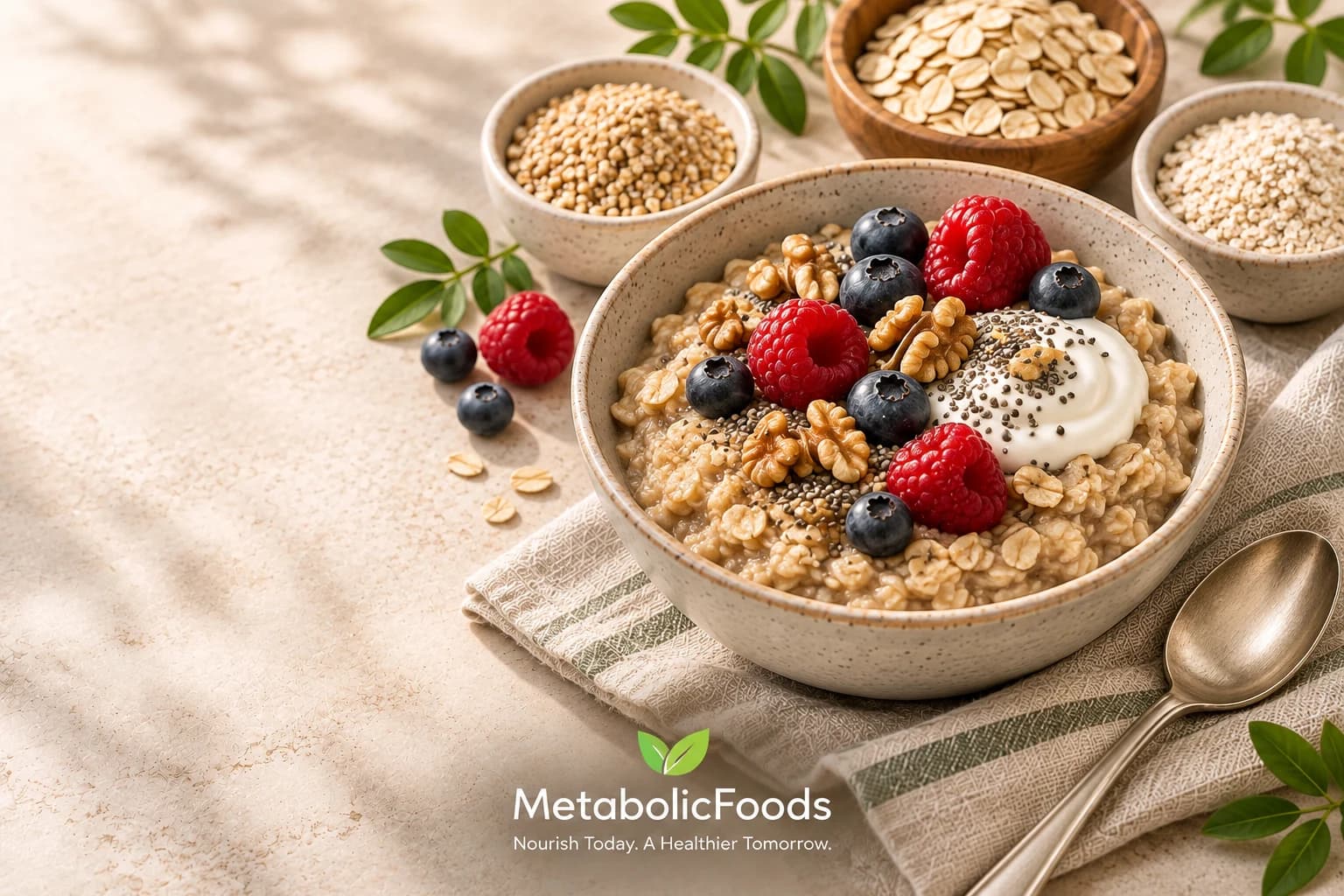
Is Oatmeal Low Glycemic? It Depends on the Oats
Oatmeal can be low or moderate glycemic depending on the oat format, processing, portion, and complete meal. Learn how steel-cut, rolled, and instant oats differ.

12 Low-Glycemic Breakfast Ideas for Real Mornings
Build a lower-glycemic breakfast with 12 practical ideas featuring yogurt, oats, beans, lentils, eggs, tofu, fruit, nuts, seeds, and vegetables.
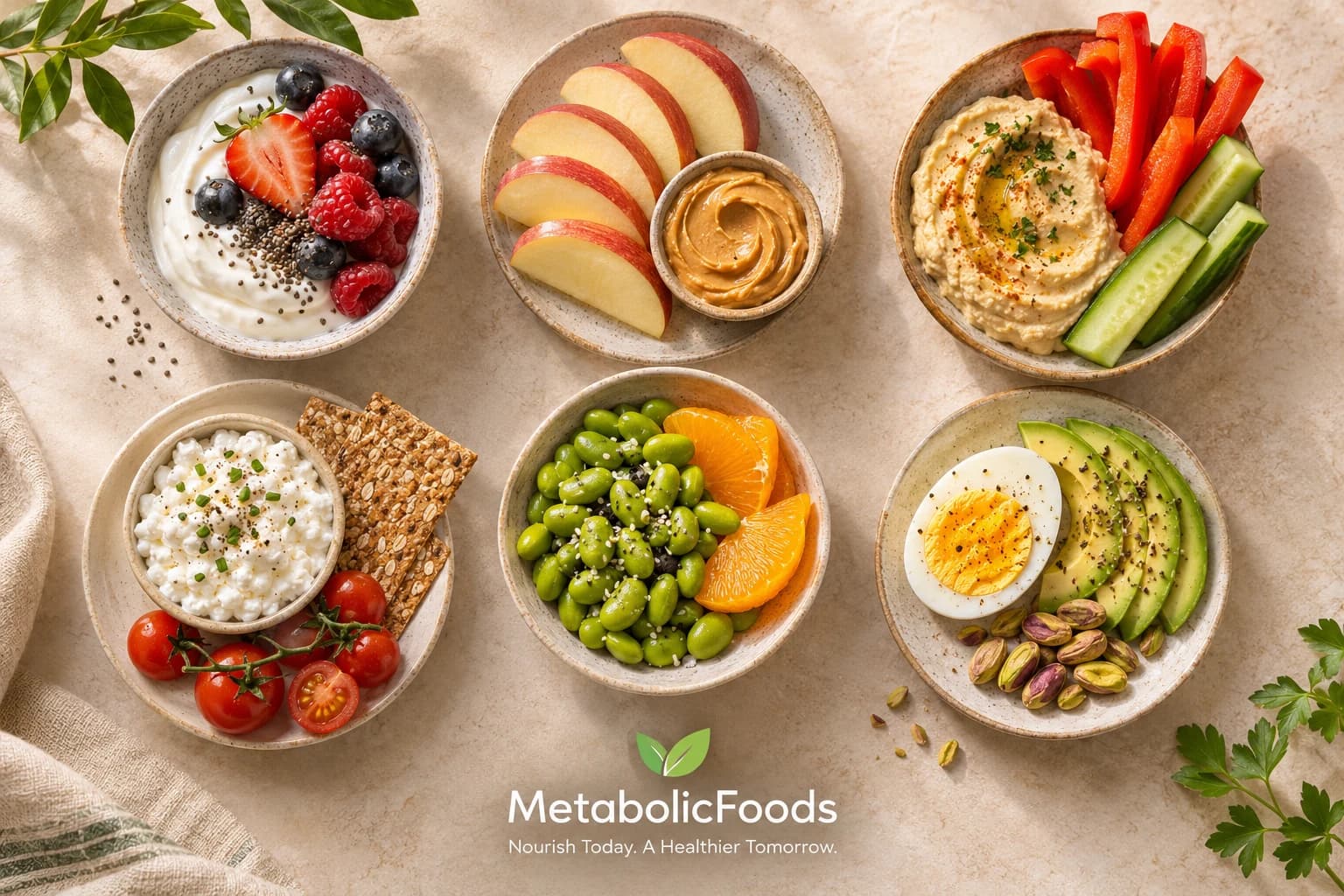
Low-Glycemic Snacks: 10 Satisfying Ideas
Build low-glycemic snacks with practical combinations of fruit, vegetables, legumes, dairy or soy foods, nuts, seeds, and intact grains.