Protein Per Meal Guide for Everyday Eating
How much protein per meal is practical? Turn a daily target into a repeatable protein anchor at breakfast, lunch, and dinner—with real food portions and simple ways to upgrade lower-protein meals.
By MetabolicFoods Editorial Team
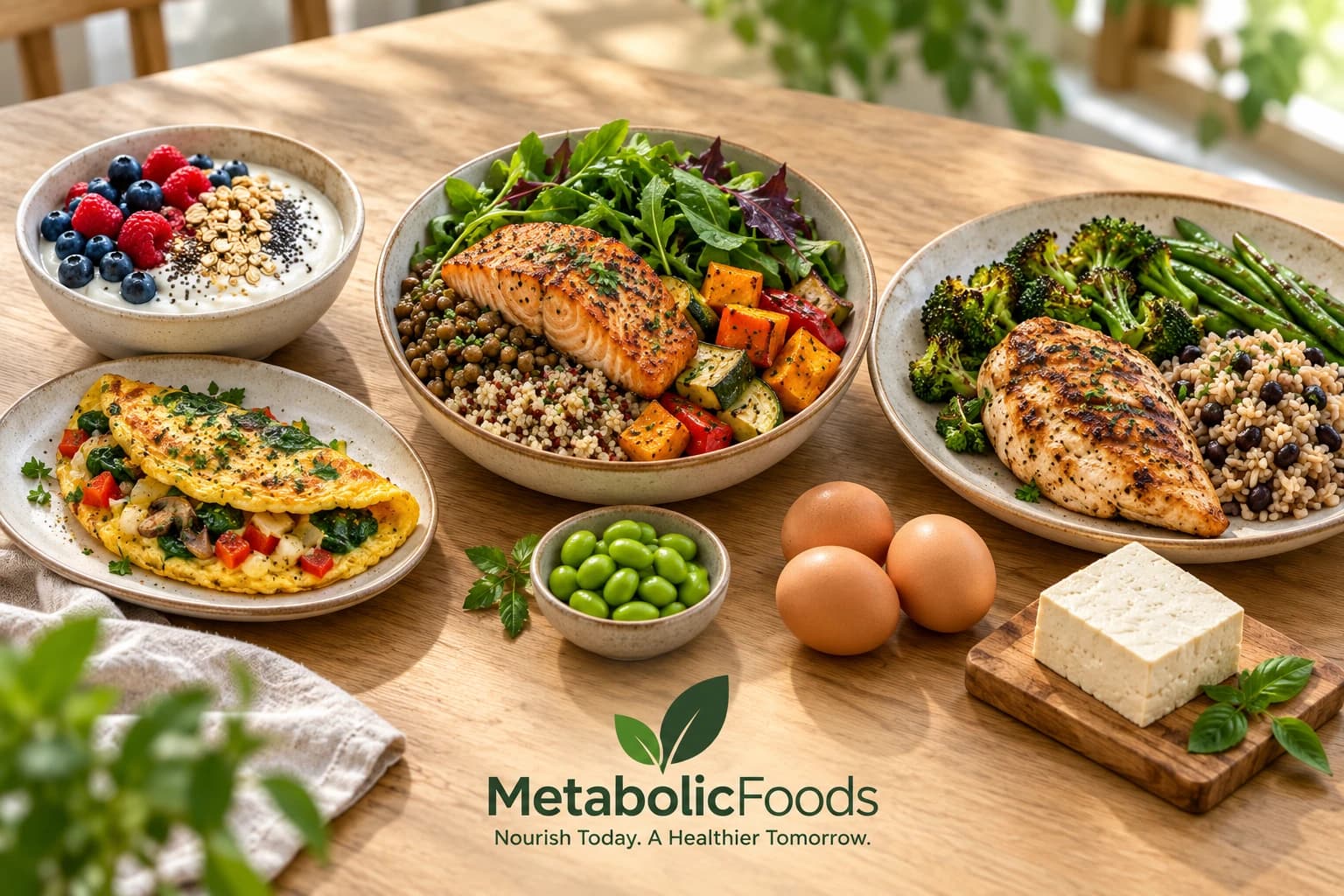
Breakfast can look balanced on paper and still leave you hungry by 10 a.m. The missing piece is often protein. A practical protein per meal guide helps turn a daily nutrition goal into choices you can make at the grocery store, at home, or while ordering lunch—without treating every meal like a math problem.
For many adults, getting enough protein is less about eating an enormous steak at dinner and more about distributing protein across the day. This approach can support fullness, help preserve lean mass during weight loss, and make meals built around fiber-rich carbohydrates and healthy fats more satisfying.
Why protein distribution matters
Protein provides amino acids, the building blocks used to maintain and repair body tissues. Your body is continually turning over protein, including muscle protein, so intake matters beyond athletes and bodybuilders.
Most people can identify high-protein dinner foods, but breakfast and snacks are often much lighter. A bagel with cream cheese, coffee with a splash of milk, or fruit alone may be convenient, yet these choices usually provide far less protein than a meal built with eggs, Greek yogurt, cottage cheese, tofu, beans, or a protein-rich grain bowl.
Your body can digest and use the protein from a large dinner, so a protein-heavy evening meal is not wasted. The practical problem is that relying on one meal makes it harder to meet daily needs consistently, and it can leave earlier meals less filling. Research on muscle protein synthesis also supports spreading intake across several meals rather than concentrating it in one.
Protein is not a standalone solution for blood sugar or weight management. The meal context matters. Pairing protein with vegetables, beans, fruit, whole grains, and unsaturated fats generally creates a more complete meal with fiber, micronutrients, and more staying power.
A protein per meal guide that fits real life
There is no single protein target that applies to every person. The Recommended Dietary Allowance for healthy adults is 0.8 grams of protein per kilogram of body weight per day. That is a baseline designed to prevent deficiency, not necessarily an ideal target for every goal or stage of life.
Many active adults, older adults, and people trying to maintain muscle while losing weight may benefit from higher intakes. Daily needs can vary with body size, age, activity level, total calorie intake, and health status. One research-based rule of thumb is about 0.4 grams of protein per kilogram of body weight per meal. For many adults, that works out to roughly 25 to 35 grams at a main meal—about 28 grams for someone who weighs 70 kilograms (154 pounds) and about 36 grams at 90 kilograms (198 pounds).
That range is a starting point, not a rule. A smaller adult with modest protein needs may feel well with 20 grams at breakfast and lunch. A larger, highly active person may need 35 to 45 grams at a meal. Rather than chasing a perfect number, use a repeatable structure: include a clear protein anchor at each meal, then adjust portions and foods to appetite and goals.
Start with your daily target, then divide
If you know your daily protein target, divide it across the number of meals you usually eat. Someone targeting 90 grams per day might aim for roughly 25 to 30 grams at each of three meals, with room for a protein-containing snack. Someone eating two larger meals may need more protein at each meal.
This is more useful than trying to force every meal to contain the same amount. Appetite and schedules differ. What matters is the pattern over days and weeks.
Use food portions, not just grams
Nutrition labels and tracking apps can be helpful, particularly when you are learning. But familiar portions make this guidance easier to use long term. These approximate amounts, based on USDA data, can help you build meals:
- Three ounces of cooked chicken, turkey, fish, lean beef, or pork provides about 19 to 26 grams of protein.
- A 5.3-ounce single-serving plain Greek yogurt often provides 12 to 15 grams, depending on the product.
- One cup of cottage cheese provides roughly 24 to 28 grams.
- Two large eggs provide about 12 grams, so eggs often need another protein food to make a higher-protein meal.
- One cup of cooked lentils provides about 18 grams, while one cup of cooked beans provides about 14 to 16 grams.
- A half block of firm tofu can provide about 20 grams or more, though labels vary by brand.
Packaged products vary widely. Compare serving sizes first, then protein per serving, added sugars, sodium, saturated fat, and ingredients in the context of how often you eat the product.
Build meals around a protein anchor
A protein anchor is the food that makes protein an intentional part of the plate. Once it is in place, add produce, high-fiber carbohydrates, and fats that suit the meal.
At breakfast, a cup of plain Greek yogurt topped with berries, chia seeds, and oats can reach 20 to 25 grams of protein. Add a side of eggs or a glass of milk if you need more. Another option is a vegetable omelet with two eggs plus cottage cheese, served with whole-grain toast and fruit. For a plant-forward breakfast, scrambled tofu with black beans, peppers, and avocado offers protein along with fiber.
At lunch, think beyond a small salad with a few chicken strips. A grain bowl with salmon, quinoa, roasted vegetables, and lentils can readily provide 30 grams or more. A turkey and hummus sandwich on whole-grain bread, paired with crunchy vegetables and fruit, may be a practical workday option. For meatless meals, combine lentils or beans with tofu, tempeh, edamame, or a high-protein dairy food rather than expecting one plant ingredient to carry the entire meal.
At dinner, a palm-sized portion of fish or poultry is often a strong start. Serve it with a generous portion of nonstarchy vegetables and a fiber-rich carbohydrate such as beans, barley, brown rice, or sweet potato. A bean-based chili can also work well, particularly when it includes lean meat, soy crumbles, or a dairy topping such as plain Greek yogurt.
Do not overlook lower-protein meals
The meals that need the most attention are often the ones built mostly around refined carbohydrates. Cereal, toast, smoothies, pasta, and snack plates are not off-limits. They simply benefit from a protein partner.
For example, add Greek yogurt or cottage cheese to a smoothie rather than relying on fruit alone. Pair oatmeal with milk, soy milk, yogurt, or eggs. Make pasta more balanced with chicken, tuna, shrimp, lentils, or white beans, plus vegetables. Turn crackers and fruit into a more complete snack with cheese, edamame, or a yogurt cup.
Protein powders can be convenient, but they are optional. They may make sense when time, appetite, or travel makes real-food meals difficult. A powder with minimal added sugar can help close a gap, but it does not replace the broader nutritional value of meals that include plants, fiber, and varied whole-food protein sources.
Balance protein quality with metabolic goals
Protein grams are only one part of the decision. A food can be high in protein and still be high in sodium, saturated fat, or added sugar. That does not make it forbidden; it means frequency and portion size matter.
For everyday eating, prioritize a mix of seafood, poultry, eggs, plain dairy or fortified soy foods, beans, lentils, tofu, tempeh, nuts, and seeds. Red and processed meats can fit occasionally, but they are not the only way to raise protein. Plant proteins bring fiber and phytonutrients, while fish provides protein alongside omega-3 fats.
If blood-sugar awareness is a goal, consider the whole meal rather than labeling a food good or bad. A sweetened protein bar may have 20 grams of protein but also substantial added sugar. A bowl of unsweetened Greek yogurt with berries and nuts offers a similar amount of protein with fiber and less added sugar. The best choice depends on your schedule, budget, preferences, and what you can repeat.
When a personalized target matters
People with kidney disease, certain liver conditions, a history of disordered eating, or other medical nutrition concerns should not use generalized protein targets as personal medical advice. Pregnancy, older age, intense training, and use of appetite-altering medications can also change what practical eating looks like. A registered dietitian or clinician can help set an appropriate target when health conditions or major body-composition goals are involved.
For everyone else, begin with one useful change: make tomorrow's first meal contain a recognizable protein anchor. It is a small decision that can make the rest of the day's food choices easier to navigate.
Sources
- Optimizing Protein Intake in Adults: Interpretation and Application of the Recommended Dietary Allowance Compared with the Acceptable Macronutrient Distribution RangeAdvances in NutritionMarch 15, 2017Verified
- Effects of dietary protein intake on body composition changes after weight loss in older adults: a systematic review and meta-analysisNutrition ReviewsFebruary 16, 2016Verified
- USDA FoodData CentralU.S. Department of AgricultureVerified
- Effect of short- and long-term protein consumption on appetite and appetite-regulating gastrointestinal hormones, a systematic review and meta-analysis of randomized controlled trialsPhysiology & BehaviorAugust 5, 2020Verified
- Effects of energy-restricted high-protein, low-fat compared with standard-protein, low-fat diets: a meta-analysis of randomized controlled trialsThe American Journal of Clinical NutritionDecember 1, 2012Verified
- How much protein can the body use in a single meal for muscle-building? Implications for daily protein distributionJournal of the International Society of Sports NutritionFebruary 27, 2018Verified
Continue reading
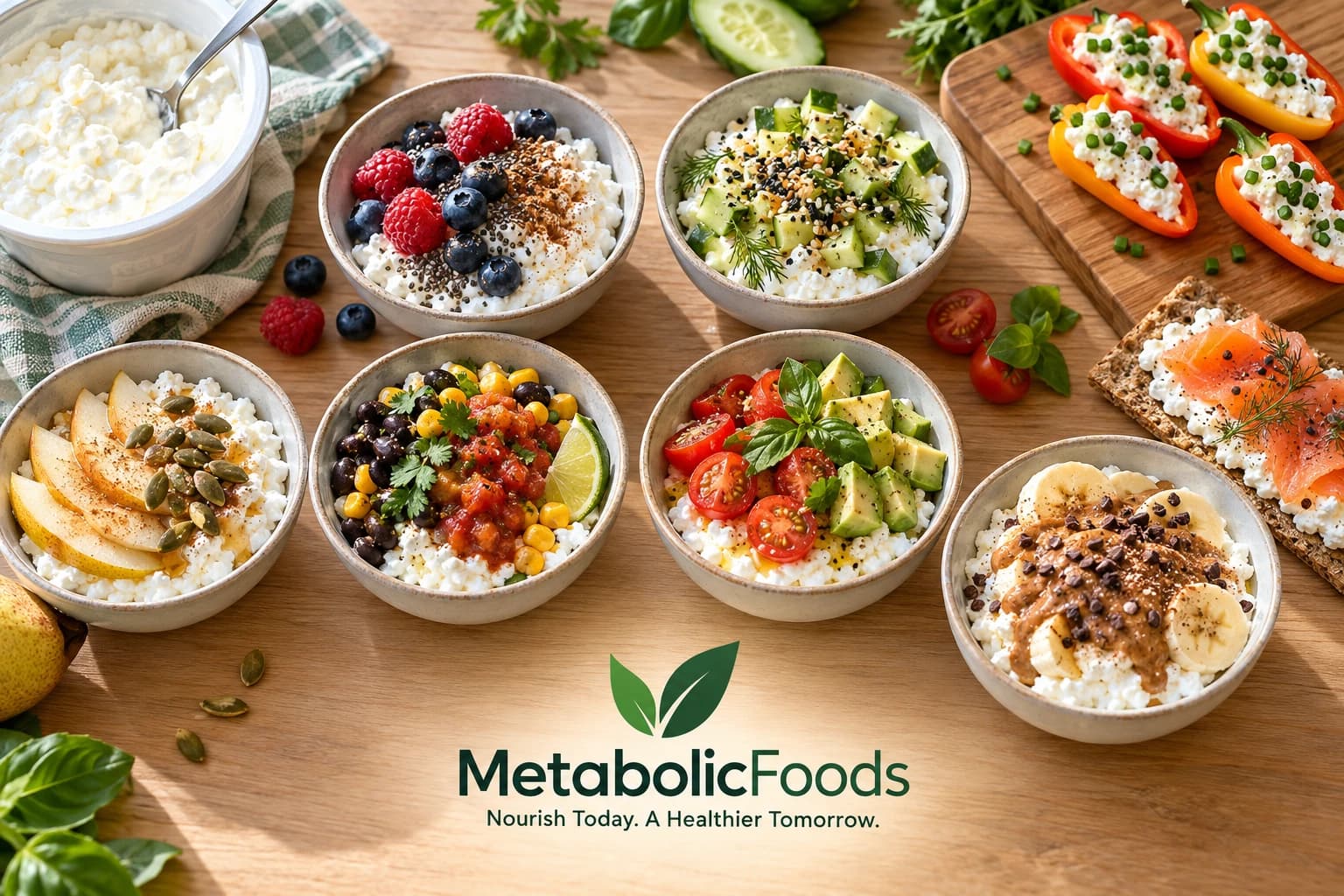
12 Best Cottage Cheese Snacks: Easy High-Protein Ideas
Twelve sweet and savory cottage cheese snacks that pair its protein with fiber-rich produce, beans, whole grains, nuts, and seeds—plus how to compare labels for sodium and added sugar.

High Protein Foods on a Budget: Staples That Stretch Every Dollar
High protein foods on a budget are less about one bargain product and more about staples like eggs, Greek yogurt, lentils, canned fish, and tofu that deliver protein, fiber, and staying power per dollar.
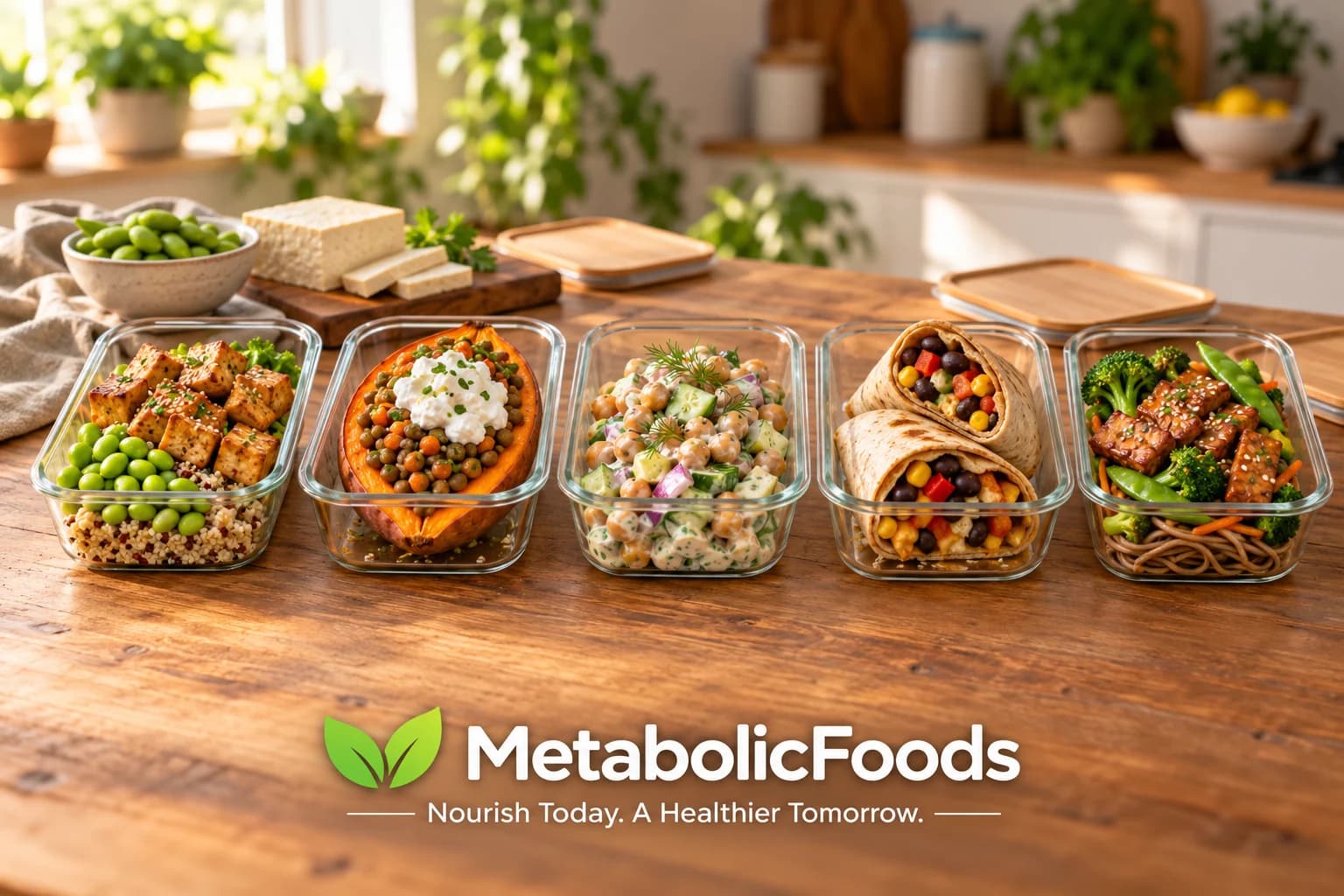
High Protein Vegetarian Meal Prep That Lasts
A practical high protein vegetarian meal prep plan: pick two protein anchors, prep one fiber-rich base, and turn them into five meals that hold up through the week, with USDA-based protein estimates and safe storage tips.