High Protein Foods on a Budget: Staples That Stretch Every Dollar
High protein foods on a budget are less about one bargain product and more about staples like eggs, Greek yogurt, lentils, canned fish, and tofu that deliver protein, fiber, and staying power per dollar.
By MetabolicFoods Editorial Team
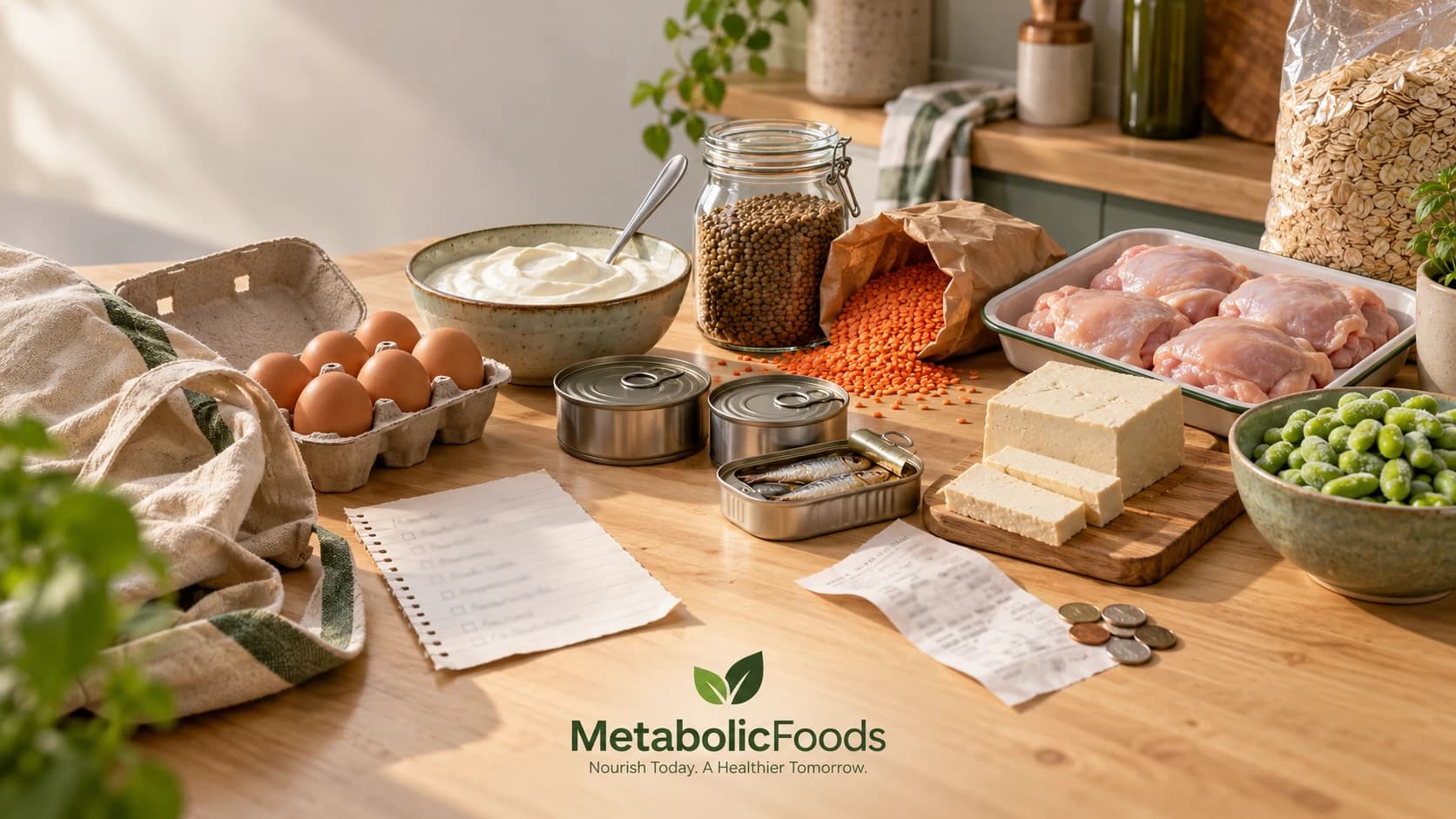
A protein bar with 20 grams of protein may look convenient at checkout. But for the price of a few bars, a carton of eggs, a tub of plain Greek yogurt, or a bag of dry lentils can supply several meals. High protein foods on a budget are less about finding one bargain product and more about choosing staples that deliver protein, fiber, and staying power per dollar.
Protein can help make meals more satisfying, support muscle maintenance, and blunt the urge to graze on less filling snacks later. For people paying attention to metabolic health, the best low-cost choices often combine protein with fiber-rich carbohydrates or minimally processed fats. That combination tends to make a meal feel more substantial without requiring specialty powders, bars, or expensive cuts of meat.
Start With Protein per Serving, Not Package Claims
A food can be marketed as high protein and still be an inefficient grocery purchase. Look beyond the large number on the front of the package. Check how much protein you get in a realistic serving, how many servings the package contains, and what else comes with it: added sugar, sodium, saturated fat, or very little food volume.
There is no single protein target that fits every adult. Needs vary with body size, age, activity level, appetite, and health history. Still, aiming to include a meaningful protein source at meals is a practical starting point. Many people find that a breakfast with eggs, yogurt, cottage cheese, tofu, or beans holds them longer than a pastry or sweetened cereal alone.
Cost matters, too. Compare foods by the number of servings they provide rather than the sticker price. A larger container of plain yogurt may cost more upfront than individual cups, but it usually costs less per serving and gives you more flexibility for breakfast, snacks, sauces, and smoothies.
Best High Protein Foods on a Budget
The most useful budget staples are foods you will actually cook and eat consistently. Prices vary by region and store, so treat these as categories to compare rather than fixed bargains.
Eggs
Eggs are one of the most versatile affordable proteins. One large egg provides about 6 grams of protein, along with nutrients including choline and vitamin B12. Pair them with beans, vegetables, or whole-grain toast to create a more filling meal than eggs alone.
An omelet made with two eggs, black beans, spinach, and salsa can stretch a small amount of animal protein into a high-protein, high-fiber breakfast or dinner. If egg prices rise sharply in your area, rotate in beans, canned fish, or tofu rather than forcing eggs into every meal.
Plain Greek Yogurt and Cottage Cheese
Plain Greek yogurt and cottage cheese are concentrated dairy proteins that work well in both sweet and savory meals. They can be topped with berries and nuts, blended into smoothies, stirred into overnight oats, or used as a base for dips and dressings.
Choose plain versions when possible. Flavored cups can be convenient, but some contain enough added sugar to turn a protein-forward snack into a dessert-like product. Add cinnamon, fruit, cocoa powder, or a small spoonful of nut butter at home for more control over sweetness and cost.
Beans, Lentils, and Split Peas
Dry beans and lentils are among the strongest values in the grocery store. They provide protein, fiber, potassium, magnesium, and slow-digesting carbohydrates. That fiber is especially useful for meal satisfaction and blood-sugar-aware eating.
Canned beans are still a practical choice when time is limited. Draining and rinsing them can reduce some sodium. Lentils are particularly convenient because they cook relatively quickly and, unlike most dried beans, do not require soaking. Use them in soups, taco fillings, grain bowls, pasta sauces, or salads.
Plant proteins do not need to be treated as second-best. Eating a variety of protein-containing plant foods across the day provides the amino acids your body needs; they do not have to be combined at the same meal. For a particularly hearty meal, combine lentils or beans with grains, dairy, eggs, tofu, or a modest portion of meat.
Canned Tuna, Salmon, Sardines, and Chicken
Shelf-stable canned proteins are useful when fresh meat or fish is expensive, when cooking time is short, or when you need a dependable pantry meal. Tuna and canned chicken are mild options for sandwiches, salads, and rice bowls. Salmon and sardines add omega-3 fats, though their flavor is more distinctive. Canned light tuna, salmon, and sardines are all on the FDA's "Best Choices" list for lower mercury.
Check labels for sodium and choose products packed in water or with simple ingredients when that fits your preferences. Canned fish is not an everyday requirement. It is simply a cost-conscious option that can make a meal with crackers, vegetables, beans, or potatoes more protein-forward in minutes.
Tofu, Tempeh, and Edamame
Soy foods are often economical sources of plant protein. Tofu absorbs the flavor of marinades and sauces, making it easy to use in stir-fries, sheet-pan meals, scrambles, and curries. Frozen shelled edamame cooks quickly and works well in bowls and salads.
Tempeh is usually firmer and often more expensive than tofu, but it can be worthwhile when on sale. Its nutty flavor and texture make a small portion satisfying. As with other packaged foods, compare price by serving rather than assuming every plant-based alternative is low cost.
Chicken Thighs, Ground Turkey, and Larger Cuts
Boneless, skinless chicken breast is popular, but it is not always the best value. Chicken thighs, whole chickens, ground turkey, and larger family packs can cost less per pound. The trade-off is preparation: whole chickens require more cooking and portioning, while thighs contain more fat than breast, especially when the skin is left on.
Use meat as a component rather than the entire meal. A pound of ground turkey can become a chili with beans, tomatoes, and vegetables, producing multiple balanced servings. This approach lowers the cost per plate while keeping protein substantial.
Build Meals That Do More Than Hit a Protein Number
Protein is helpful, but a meal made only of protein can still leave you unsatisfied or low on fiber. For metabolic health, build around a simple pattern: a protein source, a fiber-rich plant food, and a carbohydrate or fat source that fits the meal.
For example, make lentil chili with canned tomatoes and frozen vegetables, then add a spoonful of Greek yogurt. Turn a can of salmon into salmon cakes with oats or breadcrumbs, and serve them with a cabbage slaw. Use cottage cheese in a baked potato with broccoli and black beans. These meals rely on real foods, offer more volume than a bar or shake, and can be adjusted to your appetite.
Frozen vegetables deserve a place in a budget strategy. They reduce waste, often cost less than out-of-season produce, and make it easier to add color and fiber to eggs, soups, rice bowls, and pasta dishes. Store-brand whole grains, such as oats, brown rice, and whole-wheat pasta, can also help stretch protein foods across several meals.
Shop and Prep With Waste in Mind
The cheapest food is not a bargain if it spoils before you use it. Buy larger packages only when you have a plan to freeze portions, cook a batch, or use leftovers within 3 to 4 days. Batch cooking one protein and one fiber-rich base can reduce both spending and weekday decision fatigue.
A practical weekly setup might include a pot of lentils, a tray of roasted vegetables, hard-boiled eggs, and a container of cooked rice or quinoa. You do not need identical meal-prep containers or a rigid menu. You need a few ingredients that can become different meals: a bowl one day, soup the next, and tacos later in the week. Our high protein vegetarian meal prep guide shows how to set this up.
Be selective with convenience products. Pre-cooked chicken, single-serve yogurt, protein shakes, and snack packs can be useful for busy days, but they typically cost more per serving. Keep one or two for genuine convenience, then let basic staples do most of the work.
A Realistic Budget Protein Strategy
Trying to eat perfectly can make grocery shopping more expensive and less sustainable. A more useful goal is to keep two or three affordable protein options available at all times, drawn from staples such as eggs, plain Greek yogurt, lentils, canned tuna, and tofu. Rotate based on sales, preferences, and what your household will use.
If you are increasing protein intake significantly, especially with kidney disease, digestive concerns, or a medically prescribed eating plan, individualized guidance from a qualified clinician or registered dietitian is appropriate. People with chronic kidney disease may need moderate amounts of protein, so more is not automatically better. For most shoppers, though, a better protein routine begins with a modest change: make the next grocery cart less dependent on expensive single-serve products and more dependent on foods that can become several satisfying meals.
The most durable choice is the one that fits your budget, tastes good enough to repeat, and leaves room on your plate for fiber-rich foods you enjoy.
Sources
- LentilsHarvard T.H. Chan School of Public Health, The Nutrition SourceVerified
- Leftovers and Food SafetyUSDA Food Safety and Inspection ServiceVerified
- Healthy Eating for Adults with Chronic Kidney DiseaseNational Institute of Diabetes and Digestive and Kidney Diseases (NIH)Verified
- ProteinHarvard T.H. Chan School of Public Health, The Nutrition SourceVerified
- How to Reduce Sodium in Your DietAmerican Heart AssociationVerified
- Advice about Eating FishU.S. Food and Drug AdministrationVerified
- Effect of short- and long-term protein consumption on appetite and appetite-regulating gastrointestinal hormones, a systematic review and meta-analysis of randomized controlled trialsPhysiology & BehaviorAugust 5, 2020Verified
Continue reading
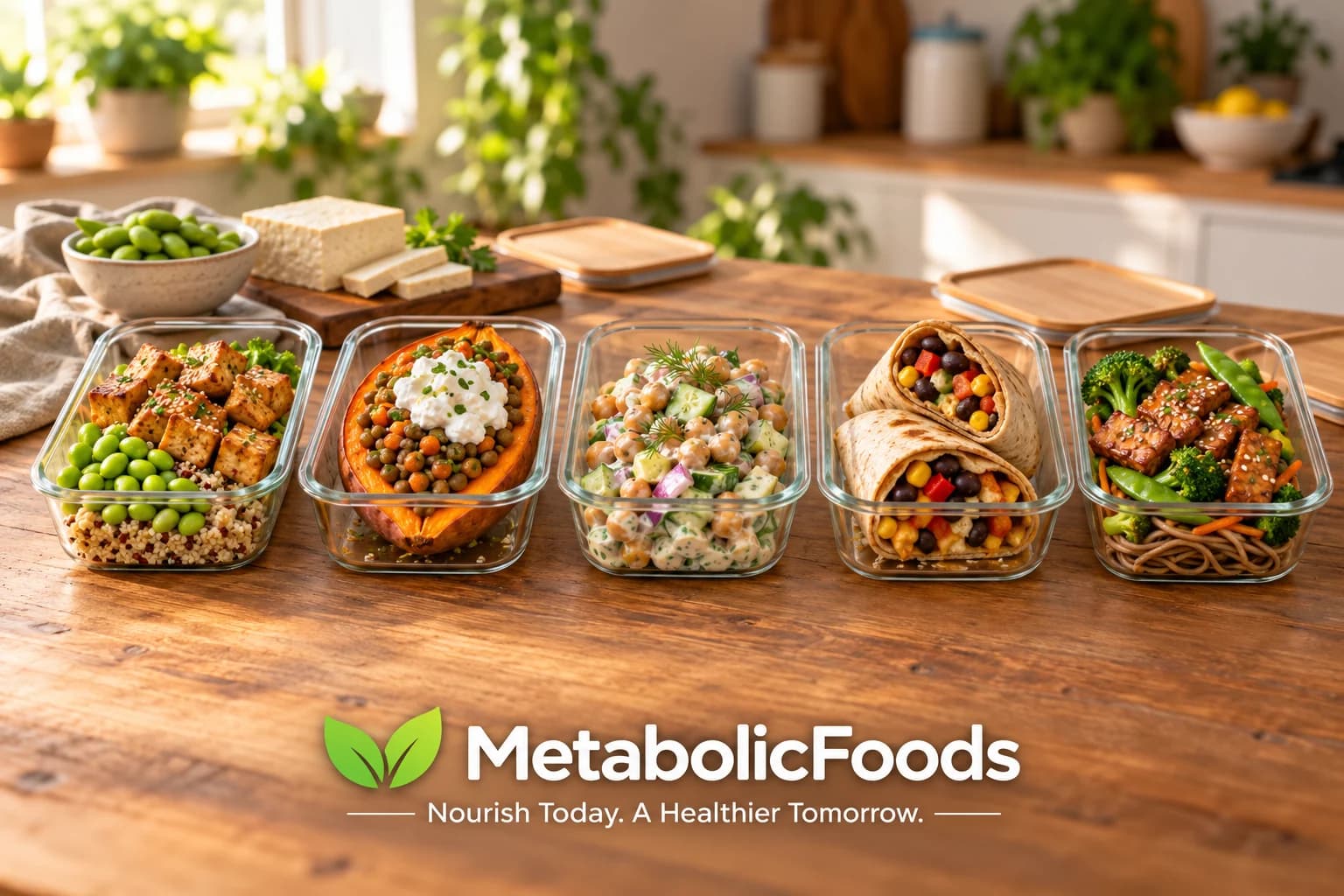
High Protein Vegetarian Meal Prep That Lasts
A practical high protein vegetarian meal prep plan: pick two protein anchors, prep one fiber-rich base, and turn them into five meals that hold up through the week, with USDA-based protein estimates and safe storage tips.
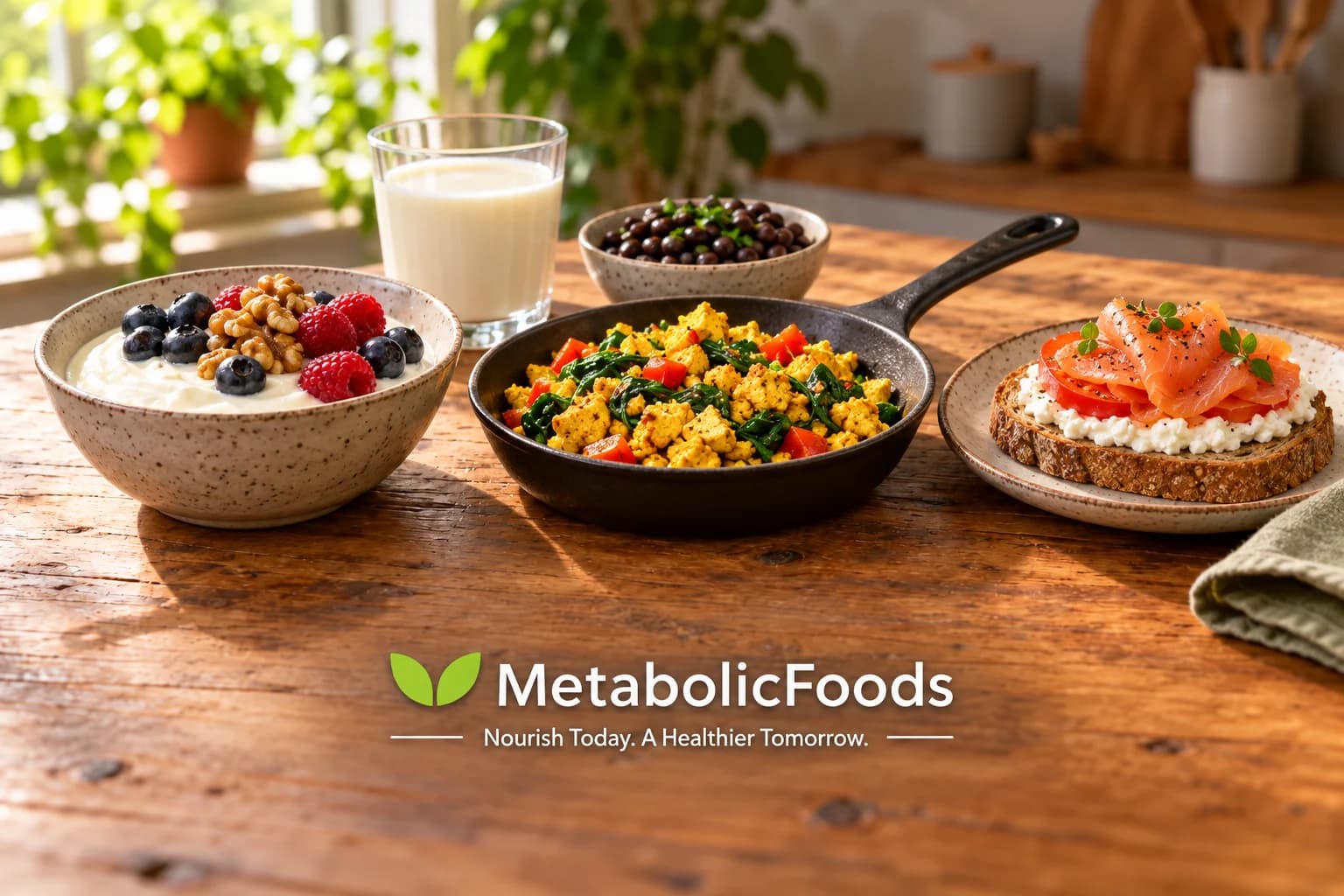
10 High Protein Breakfasts Without Eggs to Try
No eggs, no problem. Ten practical breakfasts built around Greek yogurt, cottage cheese, tofu, beans, lentils, and more, plus how to build a protein-forward morning meal.
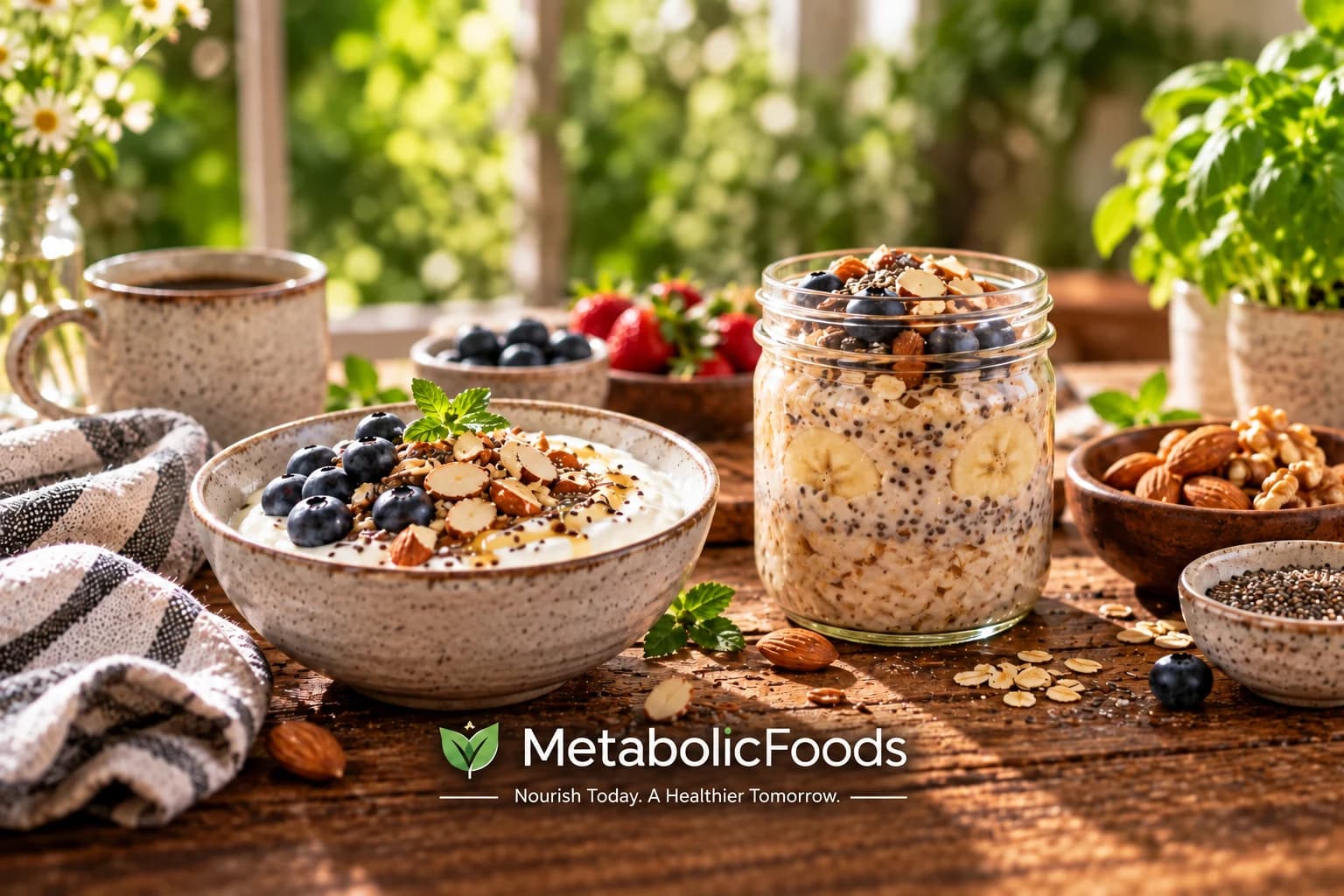
Protein at Breakfast: How Much Do You Really Need?
Total daily protein and per-meal protein are two different questions. Here is what the research on muscle protein synthesis says about the second one, and what it looks like on a plate.