Plant vs. Whey Protein: Which Is Right for Your Goals?
Compare plant and whey protein powders by protein quality, digestion, metabolic-health fit, labels, and everyday practicality.
By MetabolicFoods Editorial Team
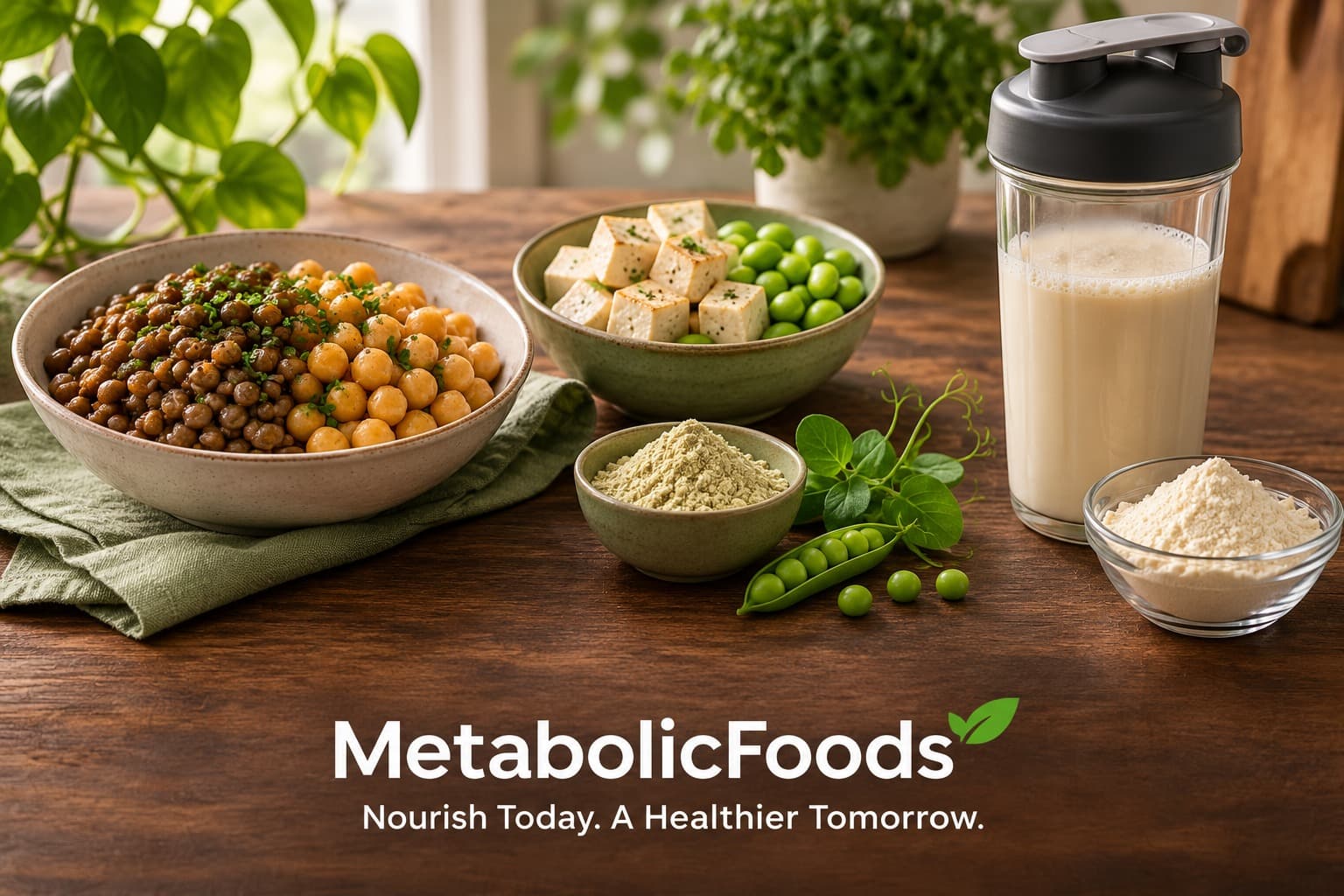
# Plant vs. Whey Protein: Which Is Right for Your Goals?
A protein powder can make breakfast more filling, help round out a low-protein lunch, or provide a convenient option after exercise. But the best choice is rarely as simple as calling one source “better.” In the plant versus whey protein decision, your goals, digestion, food preferences, budget, and the specific product label all matter.
Whey protein has long been the default in sports nutrition, while plant-based powders have become far more available and varied. Both can help people meet protein needs. The useful question is which option fits the way you actually eat.
Plant vs. Whey Protein: The Core Differences
Whey is a milk-derived protein. It is separated from the liquid portion of milk during cheese production, then filtered and dried into powder. Whey concentrate usually contains some lactose and fat along with protein, while whey isolate is more filtered and typically provides more protein per serving with less lactose. Whey hydrolysate is partially broken down, which may make it easier to digest for some people, though it is often more expensive.
Plant protein powders can come from one source, such as pea, brown rice, soy, hemp, or pumpkin seed. Many products combine sources. A pea-and-rice blend, for example, can provide a more balanced amino acid profile than either protein alone.
Protein quality and amino acids
Protein is made of amino acids. Nine essential amino acids must come from food because the body cannot make them in sufficient amounts. Whey naturally contains all essential amino acids and is especially rich in leucine, an amino acid involved in stimulating muscle protein synthesis.
Soy is also a complete protein. Other plant proteins may be lower in one or more essential amino acids, but that does not make them ineffective. A well-formulated blend, a larger serving, or a varied diet that includes legumes, grains, nuts, seeds, and other protein-rich foods can easily close those gaps.
For people focused on maximizing muscle gain or recovery from resistance training, whey has an advantage in digestibility and leucine content per scoop. Still, research suggests that plant protein can support strength and muscle gains when total daily protein intake is adequate and servings provide enough essential amino acids. The difference is often smaller than marketing makes it sound.
Digestion and tolerance
Whey is convenient for many people, but it is not comfortable for everyone. Lactose intolerance, a milk allergy, or sensitivity to dairy can make whey concentrate a poor fit. Whey isolate has much less lactose than concentrate, but it is still milk-derived and is not appropriate for someone with a milk allergy.
Plant protein is naturally dairy-free, though it can also cause digestive symptoms in some people. Pea protein, for example, may feel heavy or cause gas for some users, especially in larger portions. Fiber, sugar alcohols, inulin, gums, and added prebiotic ingredients can also influence tolerance more than the protein source itself.
If a shake consistently causes bloating, look beyond the front-label claim. Compare serving size, sweeteners, added fibers, and the amount of protein you are taking at once. Switching from a 30-gram scoop to a smaller serving, blending it with food, or choosing a simpler formula may help.
How Each Protein Fits Metabolic Health Goals
Protein can support fullness and help maintain lean mass during weight loss, but a powder is only one piece of a meal pattern. It does not replace the fiber, micronutrients, and food satisfaction that come from beans, Greek yogurt, fish, eggs, tofu, lentils, and other real foods.
For blood-sugar awareness, the most useful label detail is not whether a powder is plant-based or whey-based. Look at total carbohydrate, added sugar, and what you mix it with. A low-sugar whey isolate and an unsweetened pea protein can both be sensible choices. A protein powder with substantial added sugar can turn a simple shake into something closer to a dessert beverage.
Plant proteins may fit especially well for people who want to increase plant food intake or follow vegetarian and vegan eating patterns. They can also pair naturally with fiber-rich ingredients such as berries, chia seeds, oats, peanut butter, or unsweetened soy milk. That combination can create a more satisfying breakfast than protein powder mixed with water alone.
Whey may be particularly practical for people who need a compact, high-protein option with minimal carbohydrate or who find it easier to drink after a workout. It can also be useful when appetite is low and chewing through another full meal feels unappealing. Convenience has value when it helps a healthy routine happen consistently.
Neither option has a special ability to “boost metabolism,” burn fat on its own, or cancel out a low-quality overall diet. The more durable benefit is simpler: adequate protein can make it easier to build meals that are satisfying and nutritionally balanced.
What to Check on the Protein Powder Label
The product formula matters as much as the headline ingredient. Two pea protein powders can have very different nutrition profiles, just as two whey powders can.
Start with protein per serving. A useful everyday range is often 20 to 30 grams, though needs vary with body size, activity level, age, and the rest of the day’s food intake. A powder with 10 grams can still have a place in smoothies or oatmeal, but it may not be enough to make a meal meaningfully more protein-rich on its own.
Then check added sugar and calories. Plain or lightly sweetened powders are often easier to use in different recipes and allow you to control sweetness with fruit or other ingredients. If you prefer a flavored option, choose one whose sweetness fits your normal routine rather than one that tastes like a milkshake but leaves you hungry an hour later.
Ingredient lists deserve a quick read, not fear. Thickeners, natural flavors, and nonnutritive sweeteners are common and are tolerated well by many people. But if you have noticed digestive symptoms or simply prefer fewer extras, an unflavored powder with a short ingredient list can make comparison easier.
Finally, consider food safety and transparency. Protein powders are supplements, not tightly standardized foods. Brands that clearly disclose serving sizes, ingredients, allergen information, and independent quality testing give shoppers more useful information than brands relying on vague performance claims.
Choosing the Best Option for Your Routine
Choose whey if you tolerate dairy, want a highly digestible complete protein, and value a simple way to get substantial protein in a small serving. Whey isolate may be worth considering if lactose is a concern, though it is usually priced higher than concentrate.
Choose plant protein if you avoid dairy, eat vegan, want a product that aligns with a more plant-forward pattern, or simply prefer its taste and ingredients. Soy protein is a complete option, while pea-and-rice blends are a practical choice for people who want broader amino acid coverage.
If both work for you, there is no rule saying you must commit to one. You might use whey in a post-workout shake and plant protein in overnight oats, pancakes, or a berry smoothie. Your nutrition pattern can be flexible without becoming complicated.
Build the shake into a meal, when needed
A protein shake is most useful when it solves a real meal problem. For a more complete breakfast, blend protein powder with unsweetened milk or fortified soy milk, frozen berries, and chia or ground flaxseed. For a quick snack, pair a smaller shake with fruit or a handful of nuts.
This approach adds fiber, texture, and staying power. It also keeps protein powder in its appropriate role: a convenient ingredient, not a substitute for every meal.
The right protein powder is the one you tolerate, enjoy using, and can fit into meals built around real foods. Start with a label that matches your goals, then let your energy, digestion, and everyday routine guide the final choice.
Sources
- Plant Protein Blend Ingestion Stimulates Postexercise Myofibrillar Protein Synthesis Rates Equivalently to Whey in Resistance-Trained AdultsPubMed / Medicine & Science in Sports & ExerciseVerified
- Amino acidsMedlinePlus / U.S. National Library of MedicineVerified
- Symptoms & Causes of Lactose IntoleranceNational Institute of Diabetes and Digestive and Kidney DiseasesVerified
- Questions and Answers on Dietary SupplementsU.S. Food and Drug AdministrationVerified
- International Society of Sports Nutrition position stand: protein and exerciseJournal of the International Society of Sports NutritionVerified
- Exercise and Athletic Performance Supplements Fact Sheet for ConsumersNIH Office of Dietary SupplementsVerified
Continue reading
Best High Fiber Tortillas: What to Look For
Compare high-fiber tortillas by fiber amount, ingredients, digestion, protein, sodium, texture, and how they fit into balanced meals.
Added Sugars: How to Spot Them on Food Labels
Learn how to spot added sugars on food labels, compare servings, recognize hidden sweeteners, and build more satisfying meals.
How to Cook Potatoes for Resistant Starch
Cooked-and-cooled potatoes can contain more resistant starch. Learn the practical cook–cool–serve method, food-safety limits, and what it may mean for blood sugar.