How to Cook Potatoes for Resistant Starch
Cooked-and-cooled potatoes can contain more resistant starch. Learn the practical cook–cool–serve method, food-safety limits, and what it may mean for blood sugar.
By MetabolicFoods Editorial Team
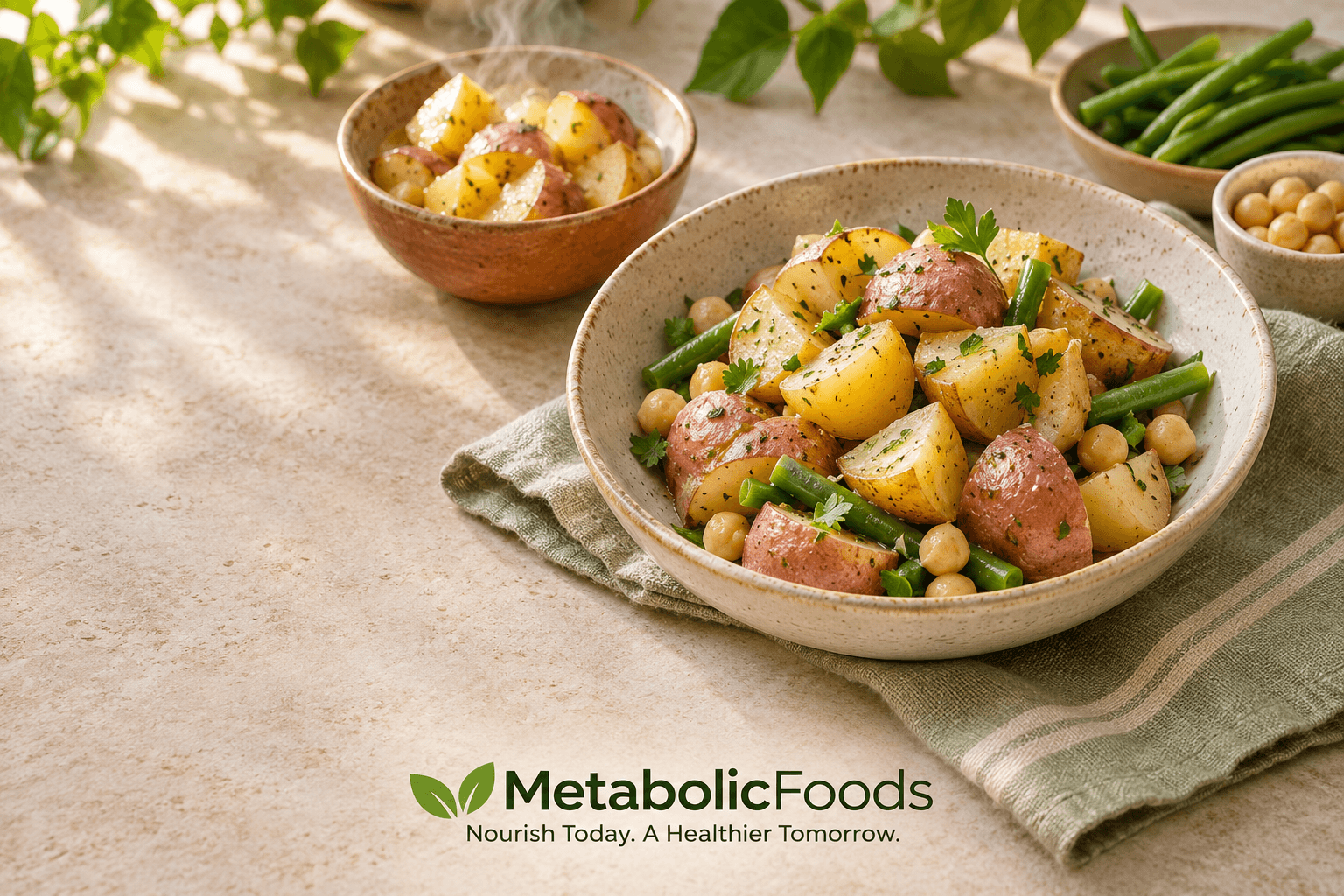
Cooked-and-cooled potatoes can contain more resistant starch than the same potatoes served immediately hot. The practical method is simple: cook them until tender, cool them promptly in the refrigerator, then serve cold or reheat once. The size of the change varies, so this is a meal-preparation option—not a metabolic cure or a guarantee about blood sugar.
What resistant starch does in potatoes
Resistant starch escapes digestion in the small intestine and reaches the large intestine, where gut microbes ferment some of it. Cooked potato starch can reorganize as it cools, forming retrograded, type-3 resistant starch. Variety, cooking method, cooling time, serving temperature, portion, and the rest of the meal all matter.
Resistant starch does not erase the carbohydrate in potatoes or guarantee a specific glucose response. Think of it as one useful feature of a balanced meal.
How to cook potatoes for resistant starch
Boil, steam, bake, pressure-cook, or microwave whole potatoes until tender. Small red potatoes, Yukon Golds, fingerlings, and baby potatoes are convenient for salads and meal prep; russets also work, especially for baked potatoes.
After cooking, let them stop steaming briefly, then place them in a shallow container and refrigerate. Several hours or overnight is a practical routine. You do not need to chase an exact cooling time to make the method worthwhile.
For food safety, refrigerate cooked potatoes within two hours, or within one hour when the room is above 90°F/32°C. Keep the refrigerator at 40°F/4°C or below and use refrigerated leftovers within three to four days.
Serve them cold or reheat them
Cold potatoes are the simplest option. Toss them with olive oil, vinegar, herbs, celery, and Greek yogurt or a modest amount of mayonnaise. Add beans, fish, eggs, tofu, or another protein and plenty of nonstarchy vegetables.
You can also reheat cooled potatoes. Reheating may reduce some resistant starch, especially with prolonged high heat, but cooled-and-reheated potatoes may retain more than potatoes served immediately after cooking. Heat leftovers until steaming hot, ideally to 165°F/74°C, and avoid repeatedly cooling and reheating the same batch.
A simple cook–cool–reheat routine
Cook a batch once or twice a week, cool it promptly, refrigerate overnight, and use it over the next few days. A batch can become a cold potato-and-chickpea salad one day and a warm breakfast skillet with spinach and eggs the next.
For a balanced plate, pair potatoes with a protein source and nonstarchy vegetables. This does not make the meal low-carbohydrate, but it can add fiber, protein, volume, and staying power.
Which potatoes and cooking methods work best?
There is no single potato variety that guarantees more resistant starch. Common potatoes can develop some after cooking and cooling. Waxy potatoes hold their shape well when chilled; russets are useful for baking and can still be cooled and reheated.
Cooking with the skin on is practical because it preserves the skin's fiber and reduces prep. Peel potatoes if you prefer. The resistant-starch effect comes mainly from cooking and cooling the potato starch, not from the skin itself.
Boiling and steaming simplify batch preparation. Baking delivers concentrated flavor. Frying can still involve cooling first, but its added fat and calories make it less useful as an everyday default.
What this means for blood sugar and fullness
Resistant starch may modestly lower the glycemic impact of potatoes compared with the same potatoes eaten freshly cooked, but individual responses differ. Portion, texture, personal glucose response, and the foods eaten alongside the potatoes all matter.
A chilled potato salad with chickpeas, vegetables, and protein is a different meal from a large serving of hot mashed potatoes eaten alone. If you monitor glucose, look for patterns over time rather than drawing conclusions from one meal. If you have diabetes, digestive disease, or specific nutrition needs, individualized guidance from a clinician or registered dietitian is more useful than a generalized food rule.
Common mistakes to avoid
Raw potatoes are not the answer. Raw potato starch may be resistant, but raw potatoes are difficult to digest and are not a practical home-kitchen strategy.
Cold potatoes are not automatically better for everyone. A sudden large increase in resistant starch may cause gas or bloating, especially when usual fiber intake is low. Start with a modest serving, increase gradually, drink enough fluids, and eat a range of fiber-rich foods.
Do not let resistant-starch claims obscure the basics. Potatoes paired with vegetables, legumes, lean proteins, and unsaturated fats have a different everyday nutrition profile from potatoes covered in refined sauces, large amounts of butter, or processed meats.
Cooked, cooled potatoes are a small, evidence-informed preparation shift. Make a batch, store it safely, and use it in meals you will actually enjoy.
Sources
- Chilled potatoes decrease postprandial glucose, insulin, and GIPNutrition and DiabetesAugust 1, 2019Verified
- Harnessing the power of resistant starchFrontiers in NutritionJanuary 1, 2024Verified
- How do I handle leftovers safely?USDA Food Safety and Inspection ServiceVerified
- Resistant starch analysis of commonly consumed potatoesJournal of Food ScienceMay 1, 2016Verified
Continue reading
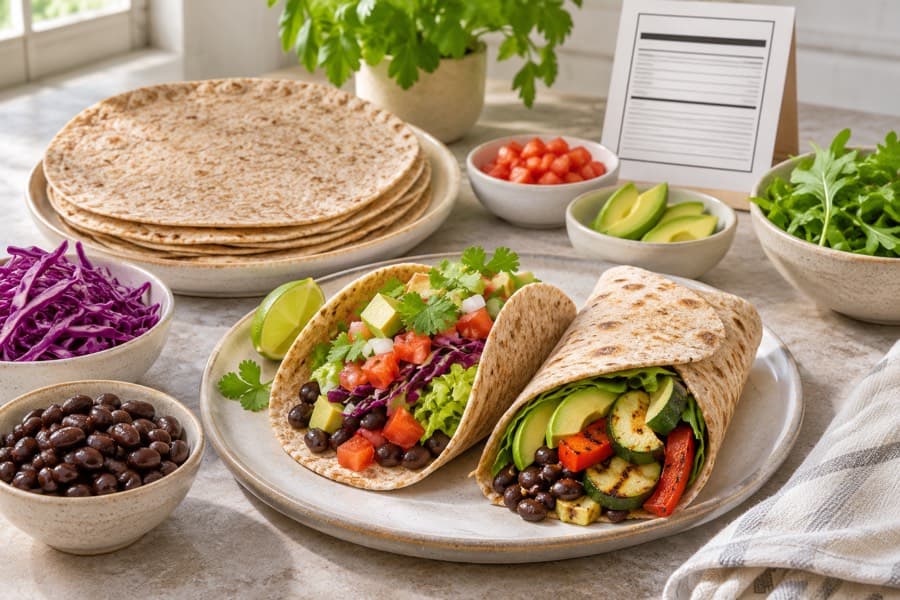
Best High Fiber Tortillas: What to Look For
Compare high-fiber tortillas by fiber amount, ingredients, digestion, protein, sodium, texture, and how they fit into balanced meals.
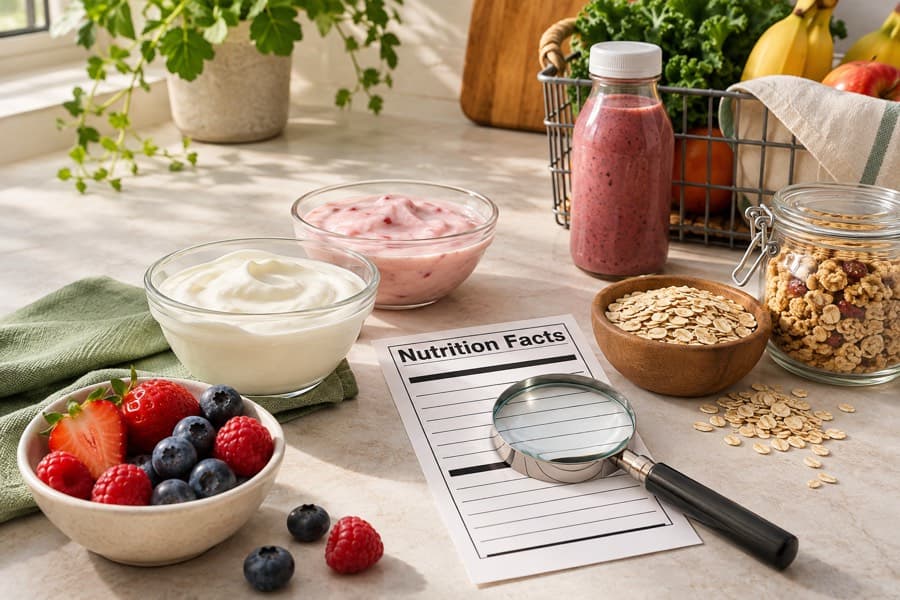
Added Sugars: How to Spot Them on Food Labels
Learn how to spot added sugars on food labels, compare servings, recognize hidden sweeteners, and build more satisfying meals.

Plant vs. Whey Protein: Which Is Right for Your Goals?
Compare plant and whey protein powders by protein quality, digestion, metabolic-health fit, labels, and everyday practicality.